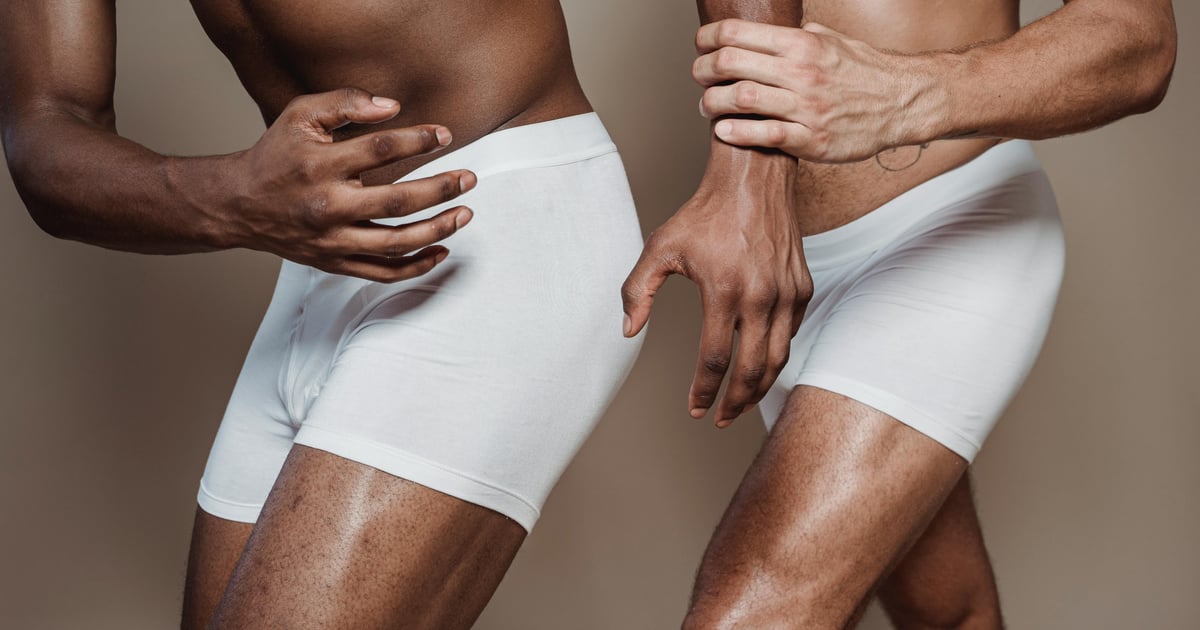
The travel-underwear category is one of those small-but-meaningful travel upgrades: switch from cotton boxer briefs to a dedicated travel pair and you gain multi-day wear capability, fast dry times after sink washing, and no more damp-underwear-in-the-morning after a humid sweaty day. The best pairs pack smaller, dry faster, and smell better than anything in a typical underwear drawer.
This roundup covers five pairs we recommend across different use cases and price points. The underlying fabric choices split into two camps — synthetic (nylon-elastane, quick-drying, cheap) and merino wool (more expensive, unmatched odor resistance, slower to dry). Both are better than cotton for travel. Which one is right for you depends on how you wash on the road. For a broader overview of why certain fabrics outperform others on the road, see our travel fabrics 101 guide.
For more on why merino outperforms synthetic for odor resistance, see our merino vs synthetic guide.
What we look for
Odor resistance across multi-day wear
The single biggest reason to buy travel-specific underwear. A cotton pair is done after one day; a good synthetic pair stretches to two; a merino pair handles three to five. The tier matters for one-bag travel math.
Dry time after washing
Sink-wash-and-hang is the reality for travelers packing light. Synthetic pairs dry in 3–6 hours in a typical hotel room; merino takes 8–14 hours. For back-to-back days, synthetic wins.
Comfort through long wear
Long flights, long walks, long sitting sessions. A pair that chafes at hour 8 is unusable for travel. Seam construction, waistband design, fabric hand feel all matter.
Fit and support
Contouring pouch vs traditional front panel. Length (brief, trunk, boxer brief, long boxer brief). Leg-band grip. Every body is different; these are personal choices.
Durability
A quality travel underwear pair lasts 2–4 years of regular use. Budget pairs typically fail at the leg bands or elastic waist in under a year.
The picks
1. ExOfficio Give-N-Go 2.0 Boxer Brief — The classic travel-underwear default
ExOfficio’s Give-N-Go has been the default travel underwear for twenty years. The fabric is a nylon-elastane blend that dries fast (roughly 4 hours in typical conditions) and resists odor well enough for two to three days of wear without washing. The 2.0 version uses an updated pattern with a better-shaped pouch and improved leg-band elastic.
What makes it the default recommendation: availability. Every outdoor retailer and most department stores carry Give-N-Go, returns are easy, and the fit works for most body types.
Specs: 94% nylon / 6% elastane, 9” inseam boxer brief, flatlock seams, machine wash. $28–$34.
Pros:
- The safest recommendation for men who have not tried travel underwear before
- Wide retail availability and easy returns
- Dries in about 4 hours after sink wash
- 2-3 days wearable without odor issues
Cons:
- Synthetic hand feel; not as soft as merino or the Patagonia option
- Elastic leg bands can roll up with some body types
- Waistband wears out in 18–24 months of heavy use; rest of garment outlasts it
Best for: The classic one-pair-for-a-week travel underwear most travelers start with. Check ExOfficio’s price.
2. Unbound Merino Boxer Brief — The premium merino pick
If you care about odor resistance above all else, merino is the answer, and Unbound is the premium pick. The fabric is 85% merino / 15% nylon — pure-enough merino for odor and thermo- regulation, enough nylon for meaningful durability in a high-abrasion zone. Fit is tailored but not restrictive, with a contoured pouch and flat-locked seams.
Odor resistance is the differentiator: we have worn these four days in moderate travel conditions without smell. Dry time is slower than synthetic — 10–12 hours in typical conditions. Price is meaningful; these are $42 a pair.
Specs: 85% merino / 15% nylon, 6” inseam boxer brief, ZQ-certified merino, machine wash cold. $42.
Pros:
- Unmatched odor resistance; genuinely 3-5 days of wear
- Natural thermoregulation — feels cooler in heat, warmer in cold than synthetic
- ZQ-certified merino (animal welfare + sustainability)
- Soft hand feel; no synthetic feel against skin
Cons:
- Expensive at $42 per pair
- Slower to dry than synthetic (10-12 hours vs 4)
- More delicate laundry requirements (cold only, no fabric softener)
- 6” inseam is shorter than some prefer; one length option
Best for: Travelers who prioritize odor resistance and thermoregulation, and who wash at night for morning wear. Check Unbound’s price.
3. Smartwool Merino 150 Boxer Brief — The hot-weather merino option
Smartwool’s Merino 150 line uses lighter fabric than Unbound — 150 gsm vs 190 gsm — which means better breathability and faster drying at modest cost to durability. The fiber and construction quality are similar to Unbound. The main difference is weight, and the price is slightly lower ($38–$45 vs $42).
For hot-climate travel, the 150 gsm makes a meaningful comfort difference. The fabric is slightly more see-through in light colors; stick to darker colors if that matters.
Specs: 88% merino / 12% nylon, 150 gsm, 6” inseam boxer brief, ZQ-certified merino, machine wash cold. $38–$45.
Pros:
- Better hot-weather performance than 190 gsm merino
- Faster drying (7-9 hours vs 10-12 for heavier merino)
- Slightly more affordable than Unbound for similar fiber quality
- Widely available at REI and other retailers
Cons:
- Less durable than 190 gsm merino; pack-strap zones wear faster
- Can be slightly sheer in light colors
- Less structured fit than Unbound or SAXX
- Still slower to dry than synthetic
Best for: Hot-climate travelers and those who want merino performance in a lighter fabric. Check Smartwool’s price.
4. SAXX Kinetic HD Boxer Brief — The active-support pick
SAXX’s signature feature is the “BallPark Pouch” — a separated internal mesh compartment that provides dedicated support rather than flat front construction. For active travel days (long walking, running, cycling, hot-weather exertion), the support is a real comfort upgrade. The fabric is polyester-elastane with meaningful wicking and mesh panels in key heat zones.
The trade-off is odor resistance — these are polyester, not merino, and they start to smell faster than any merino option. For daily washing travelers, that is fine; for multi-day wear without washing, other picks are better.
Specs: 82% polyester / 18% elastane with mesh panels, 5” inseam boxer brief, BallPark Pouch, machine wash. $38–$42.
Pros:
- Best support and chafe-prevention for active travel days
- Excellent moisture management and fast drying (3-5 hours)
- Mesh panels genuinely improve heat management
- Comfortable for all-day walking or athletic activity
Cons:
- Polyester fabric retains odor faster than merino or nylon
- Dedicated pouch construction is polarizing; some prefer flat-front
- Premium price for a synthetic pair
- Cut runs slim; size up for comfort
Best for: Active travel days with built-in support pouch. Hot-weather walking or hiking. Check SAXX’s price.
5. Patagonia Essential Boxer Briefs — The soft, well-built everyday pick
Patagonia’s Essential Boxer Briefs use a recycled-polyester-spandex blend that lands between ExOfficio and the merino options on feel and performance. The fabric is unusually soft for a synthetic (Patagonia’s construction shows), the cut is broader than SAXX or Unbound, and the environmental story — recycled fabric, PFC-free, repairable — is among the strongest in the category.
Odor resistance is roughly tied with ExOfficio (2-3 days). Dry time is similar. The real differentiator is comfort: these are the softest synthetic pair we have tested, and the wider cut works for more body types.
Specs: 92% recycled polyester / 8% spandex, 6” inseam, machine wash. $35–$42.
Pros:
- Softest synthetic hand on this list
- Recycled fabric with PFC-free treatment
- Broader fit range than slim-cut alternatives
- Patagonia’s Ironclad Guarantee
Cons:
- Polyester odor retention; not merino-level
- Heavier fabric than ExOfficio or SAXX; slightly slower drying (5-6 hours)
- Available colors change with Patagonia’s seasonal drops
- Fewer length options than competitors
Best for: Travelers who want a soft synthetic pair with a broad fit and a sustainability story. Check Patagonia’s price.
How to choose
Pick by wash frequency
- Daily washing (or hotels with laundry service): Any synthetic pair works well. SAXX, ExOfficio, or Patagonia are all fine.
- Every 2-3 days: Synthetic still works; merino starts to become worthwhile.
- Every 3-5 days: Merino is the clear winner. Unbound or Smartwool.
- Extended re-wear (5+ days, extreme minimalism): Merino, ideally 190 gsm (Unbound).
Pick by climate
- Hot and humid: Smartwool 150 gsm merino or SAXX Kinetic HD. Both manage heat well.
- Variable or cool: Unbound Merino or Patagonia Essential. Both handle range well.
- Cold: Unbound Merino. Wool’s thermoregulation is actually useful as base layer warmth.
Pick by activity level
- Sedentary travel (business, city sightseeing): Any pick works. Merino if you care about re-wear.
- Moderate activity (long walking, day hiking): ExOfficio or Patagonia for affordability; Unbound Merino for premium comfort.
- High activity (serious hiking, running, cycling): SAXX Kinetic HD for support; Smartwool 150 for merino breathability.
Pick by fit preference
- Traditional front panel: ExOfficio, Unbound, Smartwool, Patagonia.
- Contoured pouch support: SAXX.
- Longer inseam (9”): ExOfficio Give-N-Go.
- Shorter inseam (5-6”): Unbound, Smartwool, SAXX.
Pick by budget
- Under $30 per pair: ExOfficio on sale. Sometimes Patagonia.
- $30-$40 per pair: Smartwool, Patagonia, SAXX at list.
- $40+ per pair: Unbound. Premium merino, clearly worth it if you value odor resistance.
How many pairs should I pack?
For most trips, three pairs with daily washing is enough. Two pairs in the rotation, one drying. For merino, three pairs with wash-every-3-days is more realistic — roughly the same packed volume because merino stretches wear longer. One-bag travelers can typically cover two weeks with three merino pairs.
FAQ
Is merino travel underwear really worth the extra cost?
For multi-day wear between washes, yes. A $42 pair of Unbound merino underwear worn 100+ days per year for 3 years at 3-5 days per wear is roughly 50-100 wear cycles between washes, which means washing the garment maybe 20-40 times total. A $28 ExOfficio pair at the same wear volume needs 50-100 washes in the same period. The merino ends up cheaper per wash cycle and lasts longer. For occasional travelers, the math favors synthetic.
Do I need to hand-wash these in hotel sinks?
Most of these are machine washable at home but sink-wash in hotels is fine. A small squirt of hotel shampoo works as detergent. Wring out as much water as possible, then roll in a hotel towel and press to remove more water, then hang. This method cuts dry time substantially — synthetic underwear can be dry in 3 hours instead of 6.
What about packing one pair for the whole week?
With merino, this is realistic but not comfortable. Four days of wear is the limit at which most merino underwear still performs well; beyond that, even merino picks up scent. The minimum-viable travel kit is 2-3 pairs, not 1.
Do any of these work as underwear for sleeping in hostels or shared accommodations?
All of them. The traditional “underwear at night” question has nothing to do with the fabric — these are all appropriate for sleeping in when you are sharing accommodations and do not want to wear pajamas. The odor resistance of merino specifically makes it a good multi-purpose option.
How do these compare to cotton underwear for comfort?
A well-broken-in cotton pair is slightly softer than the synthetic options (though not the merino pairs). The trade-offs: cotton absorbs sweat and stays wet, cotton dries slowly, cotton starts to smell after a single active day. For travel, the comfort marginal advantage of cotton is vastly outweighed by the performance disadvantages. At home, cotton is fine; on the road, it is a liability.