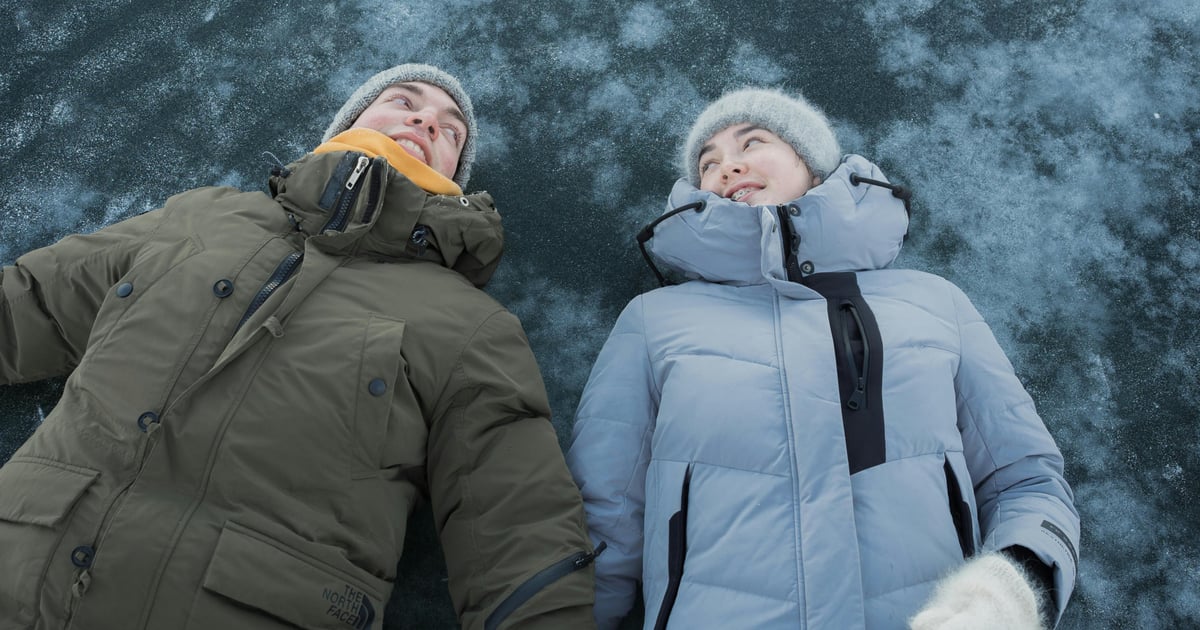
A packable down jacket is the single most useful cold-weather piece in a travel wardrobe. Nothing else delivers equivalent warmth at equivalent pack size. A good one fits into a water-bottle-sized stuff sack, weighs under a pound, and keeps you comfortable anywhere from mild fall weather to genuine winter cold.
The category is crowded and the specifications are easy to misread. A “down jacket” can mean $80 of 550-fill synthetic-heavy insulation that compresses poorly, or $400 of 850-fill ultralight down that disappears into a carry-on. This roundup covers six picks that cover the range, with honest notes on where each sits and whom each is for.
For background on how fill power works and how to compare down to synthetic fill, see our down vs synthetic insulation guide.
What we look for
Fill power
The cubic inches one ounce of down occupies when lofted. Higher fill power = more warmth per gram.
- 650 fill: good budget; heavier for the same warmth
- 700–750 fill: mid-range; solid value
- 800 fill: premium travel standard
- 850–900 fill: ultralight premium
Total fill weight
How much down is actually in the jacket. A 2 oz / 800-fill jacket is cool; a 5 oz / 800-fill jacket is warm; a 7 oz / 800-fill jacket is seriously warm. Brands often list this separately from fill power; compare both.
Hydrophobic down treatment
Chemically treated down (DownTek, Nikwax Hydrophobic, ExpeDRY) holds loft much longer when wet. For travel where you might get rained on, hydrophobic down is a real upgrade.
Shell fabric and DWR
Light-denier nylon (10D–20D) is lightest but delicate; 20D–30D is the sweet spot for travel; 40D+ is burly but bulkier. All good travel shells are DWR-treated.
Responsible Down Standard (RDS) or Global Traceable Down Standard (TDS)
These certifications address animal welfare (no live-plucking, no force-feeding). Brands using certified down almost always say so. Silent labels usually source conventionally.
Hood, pockets, baffling
Hooded jackets are more versatile for travel (wind, unexpected cold, pillow substitute on flights). Sewn-through baffles are lighter; box baffles hold loft better.
The picks
1. Patagonia Down Sweater — The versatile default
The Down Sweater has been Patagonia’s flagship travel down jacket for over a decade. The current version uses 800-fill-power Advanced Global Traceable Down (RDS plus additional sourcing disclosure), with a recycled ripstop shell and Patagonia’s consistently excellent construction detail. It is not the warmest or the lightest jacket here, but it is the best-balanced.
If you asked us to pick one down jacket for a traveler without knowing anything else about their trips, this is our answer.
Specs: 800-fill-power recycled down, 100% recycled polyester ripstop, 3.5 oz fill, RDS + Traceable Down, 13.1 oz total weight. $279.
Pros:
- Best overall balance of warmth, weight, durability, and price
- Traceable Down (welfare + sustainability certifications)
- Patagonia’s Ironclad Guarantee and lifetime repair support
- Clean styling works in both city and outdoor contexts
Cons:
- Not the lightest jacket on this list; there are more packable options
- Non-hooded version is the cheaper default; the hoody is $60 more
- Recycled-polyester shell is slightly less durable than non-recycled equivalents
Best for: The versatile default — warm enough for most travel, packable enough for any carry-on, durable enough to last years. Check Patagonia’s price.
2. Arc’teryx Cerium LT Hoody — The premium warmth-to-weight pick
The Cerium LT is what you buy if warmth-to-weight is the overwhelming priority. Arc’teryx uses 850-fill-power down with a 10D Arato nylon shell — lighter than anything else on this list at a comparable warmth level. The jacket weighs 10.6 oz for the hoody and packs into its own stuff sack to about the size of a softball.
Arc’teryx also uses synthetic insulation in moisture-prone zones (shoulders, cuffs, hood) — a detail called Coreloft-in-moisture-zones that keeps those areas insulating if they get wet. It is a thoughtful design that shows up in real-world performance.
Specs: 850-fill-power down, 10D Arato nylon shell, Coreloft synthetic in moisture zones, ~3.3 oz fill, RDS certified, 10.6 oz. $400–$450.
Pros:
- Best warmth-to-weight ratio on this list
- Packs smaller than any other hooded option here
- Hybrid down/synthetic construction handles mixed conditions better than pure down
- Arc’teryx construction quality (articulated fit, clean finishing)
Cons:
- Expensive; hardest to justify on a tight budget
- 10D shell is delicate; snags and tears easier than heavier jackets
- Slim athletic cut; size up for layering
Best for: Serious travelers who want premium warmth-to-weight and will care for the delicate shell. Check Arc’teryx’s price.
3. REI Co-op 650 Down Jacket 2.0 — The best budget pick
REI’s house-brand down jacket is the best value in the category. It uses 650-fill-power RDS- certified down with a recycled ripstop shell, in a cleanly-cut jacket that reads mid-range rather than budget. At its usual $130 price (regularly $100 on sale), it is roughly half the Down Sweater price at maybe 75% of the performance.
The 650 fill means the jacket is heavier per warmth than premium options — you pay for it in weight and packed size. For occasional cold-weather travel, the trade-off is worth it.
Specs: 650-fill-power RDS-certified down, 100% recycled nylon ripstop, 15.7 oz total weight. $100–$130.
Pros:
- Best value in the category; routinely on sale
- RDS certification at a sub-$150 price point
- REI’s generous return policy
- Clean fit that works beyond outdoor use
Cons:
- Heavier for the same warmth than higher-fill-power jackets
- Packs larger than 800+ fill jackets
- Shell fabric is less premium than $200+ options
Best for: Travelers who need a down jacket a few times a year and do not want to spend $300. Check REI Co-op’s price.
4. Uniqlo Ultra Light Down Jacket — The grab-and-go affordable pick
Uniqlo’s Ultra Light Down Jacket does something specific very well: it packs small, weighs almost nothing, costs under $100, and provides real (though modest) insulation. It uses 750-fill-power down in a minimalist construction with no frills — no hood, no adjustable cuffs, no gimmicks. The result is a jacket that lives permanently in a carry-on side pocket and gets pulled out when the weather unexpectedly cools.
For travelers who want a “just in case” insulation layer rather than a dedicated cold-weather piece, the Uniqlo is hard to beat. It works especially well as part of a layering system where a lightweight down jacket sits between a base layer and a wind/rain shell.
Specs: 750-fill-power down, lightweight nylon shell, ~2 oz fill, 7 oz total weight. $70–$100.
Pros:
- Unmatched combination of packability and price in the category
- Packs to water-bottle size; always fits in a carry-on
- Seasonally-driven design refreshes keep styling current
- Warm enough for most mild-cool travel
Cons:
- No hood on the base version
- Thin shell tears easily; treat it as a layering piece, not outerwear
- Not warm enough for genuine cold (below ~40°F becomes marginal)
- No waterproofing — gets wet immediately in rain
Best for: Budget-conscious travelers and anyone wanting a packable insulation layer that fits the sub-$100 category. Check Uniqlo’s price.
5. Mountain Hardwear Ghost Whisperer/2 Hoody — The ultralight specialist
The Ghost Whisperer is the lightest warm down jacket on this list — 8.6 oz for the men’s medium hoody, 800-fill-power down, 7D ripstop shell that you can see through if you hold it up to light. It packs to the size of a softball.
The trade-off is fragility. The 7D shell is remarkable engineering, but it tears if you snag it on a rough surface. For travelers who understand and accept this — the jacket is a layering piece, not a hard-use outer — the Ghost Whisperer is the most packable warm insulation we know.
Specs: 800-fill-power RDS down, 7D ripstop nylon shell, ~3 oz fill, 8.6 oz total weight. $340–$400.
Pros:
- Lightest warm down jacket we recommend
- Packs smaller than any other hooded down jacket on this list
- 800 fill + RDS certification at an ultralight weight
- Hood is fully adjustable despite the minimal construction
Cons:
- 7D shell is genuinely fragile; treat it as a base-layering piece
- Expensive relative to warmth for non-ultralight-priority travelers
- Exposed zippers wear the face fabric faster than average
Best for: Gram-counting travelers and anyone who will treat the jacket as a layering piece rather than a primary outer. Check Mountain Hardwear’s price.
6. Rab Microlight Alpine Jacket — The wet-weather down pick
Rab is a British brand that knows wet cold. The Microlight Alpine uses hydrophobic-treated 750-fill-power down with a tougher 20D Pertex Quantum shell than the ultralight picks, in a fit cut slightly longer to cover the lower back and drop seat of pants. It is our pick for travelers headed to cold-and-wet destinations (Iceland, Scottish Highlands, Pacific Northwest winter) where hydrophobic down makes a genuine difference.
The heavier shell and longer cut add weight versus ultralight options but make the jacket substantially more useful in non-ideal conditions.
Specs: 750-fill-power hydrophobic-treated down (Nikwax), 20D Pertex Quantum shell, ~5 oz fill, RDS certified, 14 oz. $260–$320.
Pros:
- Hydrophobic down holds loft much longer when wet than untreated down
- 20D shell is more durable than 10D ultralight alternatives
- Longer cut covers lower back (useful in windy wet conditions)
- Excellent hood construction; fits over a hat
Cons:
- Heavier and bulkier than Cerium LT or Ghost Whisperer
- Slightly less available in US retail; sizing can be tricky
- Premium price for 750 (not 800) fill power
Best for: Travelers headed to cold-and-wet destinations where hydrophobic down earns its keep. Check Rab’s price.
How to choose
Pick by climate
- Cold and dry (winter cities, dry-climate ski towns, continental winters): Patagonia Down Sweater or Arc’teryx Cerium LT. Pure down works perfectly.
- Cold and wet (UK, Pacific Northwest, Iceland, shoulder-season maritime): Rab Microlight Alpine. Hydrophobic down is worth the premium.
- Mild and variable (shoulder-season travel, cool summer evenings, mountain afternoons): Uniqlo Ultra Light Down or Patagonia Down Sweater without hood.
Pick by pack priority
- Absolute minimum weight/volume: Ghost Whisperer (8.6 oz, softball-size) or Cerium LT (10.6 oz).
- Balanced weight/durability: Patagonia Down Sweater or Rab Microlight Alpine.
- Durability-first: REI 650 Down Jacket — heavier shell, more forgiving treatment.
Pick by budget
- Under $130: REI 650 Down Jacket or Uniqlo Ultra Light Down. Both are legitimate value picks, not compromises.
- $200–$300: Patagonia Down Sweater or Rab Microlight Alpine — the value sweet spot.
- $350–$500: Cerium LT or Ghost Whisperer. You are paying for ultralight premium performance.
Pack size checklist
A down jacket should fit into an interior pocket of a carry-on or a packing cube without displacing other gear. Target packed volume: under 1.5 liters (water bottle size) for lightweight options, under 3 liters for warmer options. All jackets on this list meet these targets.
Care and longevity
Down jackets last longer than almost any other piece of travel clothing if cared for properly. A few rules:
- Wash when visibly dirty, not on a schedule. Every 6–18 months for most travelers.
- Use a front-loading washer on gentle cycle with cold water. Top-loading agitators can damage baffles.
- Use down-specific detergent (Nikwax Down Wash Direct, Grangers Down Wash). Regular detergent strips down’s natural oils and reduces loft.
- Tumble dry on low with 3–4 clean tennis balls to re-distribute the down as it dries. Expect several hours; the jacket is not dry when it feels dry on the surface.
- Refresh DWR every 12–18 months with spray-on treatment to keep water beading on the shell.
- Store uncompressed — hanging in a closet or loosely folded. Long-term compression permanently reduces loft.
FAQ
How cold can I wear a packable down jacket?
Depends on the fill weight. A light down jacket (2–3 oz fill, like the Uniqlo or Ghost Whisperer) is comfortable from about 40°F down to about 25°F with movement, or about 30°F standing still. A mid-weight jacket (4–5 oz fill, like the Down Sweater or Cerium LT) extends that range to roughly 15–40°F. Below 15°F you want a dedicated expedition-weight down jacket, not a travel piece.
Can I get away with a synthetic puffy instead?
For cold-and-wet travel, yes — often better. Synthetic insulation holds warmth when wet where regular down fails. For dry cold, down is warmer per ounce and packs smaller. Our down vs synthetic guide works through the trade-off in detail. If your trip is unpredictable, hydrophobic down (Rab Microlight Alpine) is a compromise that works for both.
Do I need the hooded version?
For travel, usually yes. A hood adds wind protection, sleep-layer warmth, and an emergency rain- pillow function on planes. The weight and cost penalty is small (2–3 oz, $30–$60). Exceptions: if you always wear a warm hat anyway, and you prefer the styling of a non-hooded jacket, the non-hooded version is lighter and packs a bit smaller.
How do I know if a down jacket is losing loft?
Fully loft the jacket (hang it for a day in a warm dry room). Hold it up to a light. If you can see significant light through the baffles, the down is matted and needs rejuvenation. Try washing with down-specific detergent and thoroughly tumble-drying with tennis balls; this typically restores 80–90% of lost loft. If the jacket still looks flat after a proper wash, the down has permanently lost loft and the jacket is approaching end of life.
Is RDS-certified down worth paying more for?
If animal welfare matters to you, yes. RDS guarantees no live-plucking and no force-feeding, with audited supply chains. Most premium travel down brands (Patagonia, REI Co-op, Mountain Hardwear, Rab) use RDS-certified down at little to no price premium over non-certified. Uniqlo does not currently publish RDS certification on all their down products — check the specific item’s documentation if this matters to you.