Layering is the single most useful skill in travel dressing. A traveler with three thoughtful layers handles weather from 30°F to 75°F, wet to dry, calm to windy — with the same three pieces of clothing. A traveler without a layering system packs five times as much and still gets caught out by weather they did not plan for.
This guide covers the standard three-layer system used by outdoor athletes, adapted for travel contexts where you need to look like a normal person rather than an alpinist. By the end, you will know how to build a travel layering system that adapts to any destination, packs small, and handles weather surprises without requiring emergency shopping at your destination.
The three-layer system, explained
The three-layer system is a framework borrowed from mountaineering and adapted for general outdoor use. Each layer has a specific job. When all three are done right, you can handle nearly any weather — and when a layer is doing the wrong job, the whole system fails.
Layer 1: Base layer
The base layer sits next to your skin. Its job is moisture management — pulling sweat away from your body so you stay dry and comfortable. A wet base layer is the single fastest way to get cold in a cool climate, or to become clammy and uncomfortable in a warm one.
Good base layer fabrics:
- Merino wool. The gold standard. Wicks moisture, regulates temperature, resists odor for 3-5 days of wear, feels soft against skin. See our merino vs synthetic guide for fiber science.
- Polyester/elastane blends. Cheaper than merino, dry faster, hold odor after a day. Specific brands (Patagonia Capilene, Smartwool Merino Sport) handle this well.
- Silk. Specialty use; luxurious feel but more delicate.
Bad base layer fabrics:
- Cotton. Absorbs sweat and stays wet. “Cotton kills” is a hiker’s adage for a reason — a cotton t-shirt under a jacket traps moisture against your skin, making you cold when the weather cools.
Thickness:
- Lightweight (130-180 gsm merino): summer travel, hot climates, under a dress shirt.
- Midweight (200-260 gsm merino): three-season travel, cool-to-cold weather.
- Heavyweight (280+ gsm merino or fleece-lined): winter travel, cold destinations.
For most travel, lightweight or midweight covers the full range. Heavyweight is for dedicated cold-weather trips.
Layer 2: Mid layer
The mid layer provides insulation. Its job is to trap body-heated air, keeping you warm. The best mid layers balance warmth with packability and compressibility — you want something that compresses to fit in a packing cube when not worn.
Good mid layer fabrics:
- Fleece. Classic, durable, warm for weight, handles moisture well. Polartec fleeces are the standard. Heavier fleeces compress less.
- Down. Warmest per ounce, highly compressible, but loses insulation when wet. See the down vs synthetic insulation guide.
- Synthetic insulation (PrimaLoft, Coreloft, etc.). Slightly heavier than down, but keeps insulating when wet. Better for humid or rainy climates.
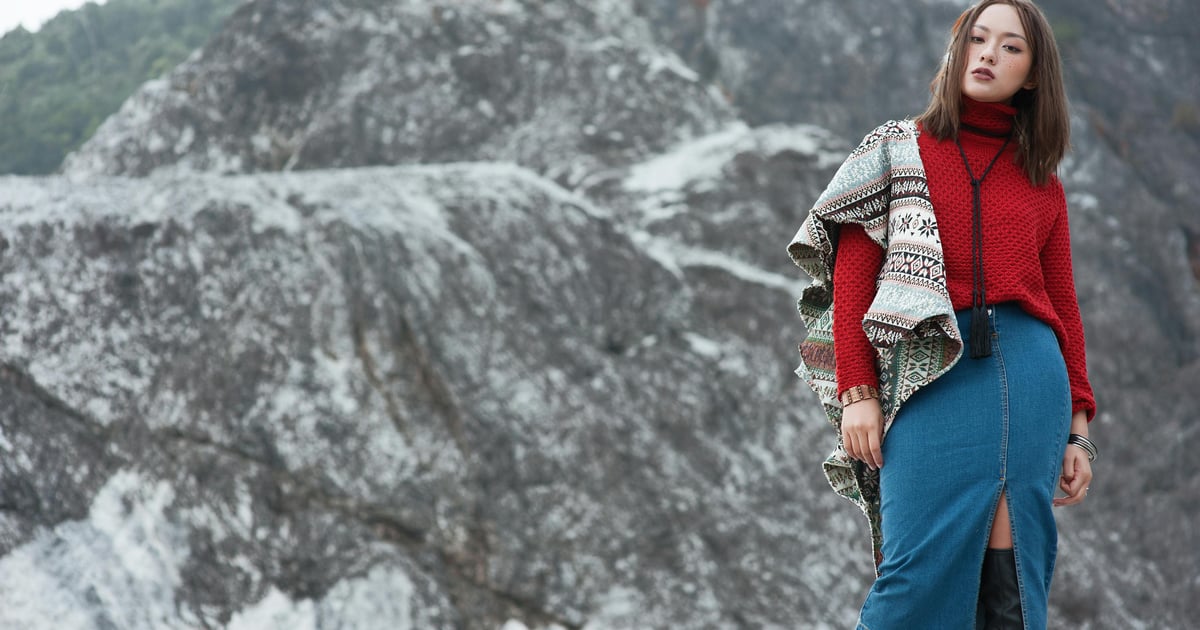
- Wool sweater. Traditional and elegant; not as warm-per-ounce as down but looks far better in non-outdoor contexts.
Thickness:
- Light (100-200 gsm fleece, light down): mild cool weather, summer in temperate zones.
- Medium (200-300 gsm fleece, standard down jackets): three-season travel, winter city travel in temperate climates.
- Heavy (heavyweight fleece, expedition down): cold weather, winter outdoor activity.
Layer 3: Outer layer (shell)
The outer layer is weather protection. Its job is to block wind, rain, and snow while allowing moisture from inside the system to escape. This is the layer that turns a decent outfit into a weather-ready one.
Types of outer layer:
- Hard shell (waterproof/windproof, non-breathable or semi-breathable). Best for real rain or heavy snow. Gore-Tex and equivalent membranes are the standard. Usually 8-16 oz.
- Soft shell (wind-resistant, water-resistant, highly breathable). Better for dry cold or mixed conditions. Not waterproof, but more comfortable for active wear.
- Packable windbreaker. Ultralight, minimal protection, but saves significant pack space. Useful for climates that are “might rain lightly” rather than “will definitely rain.”
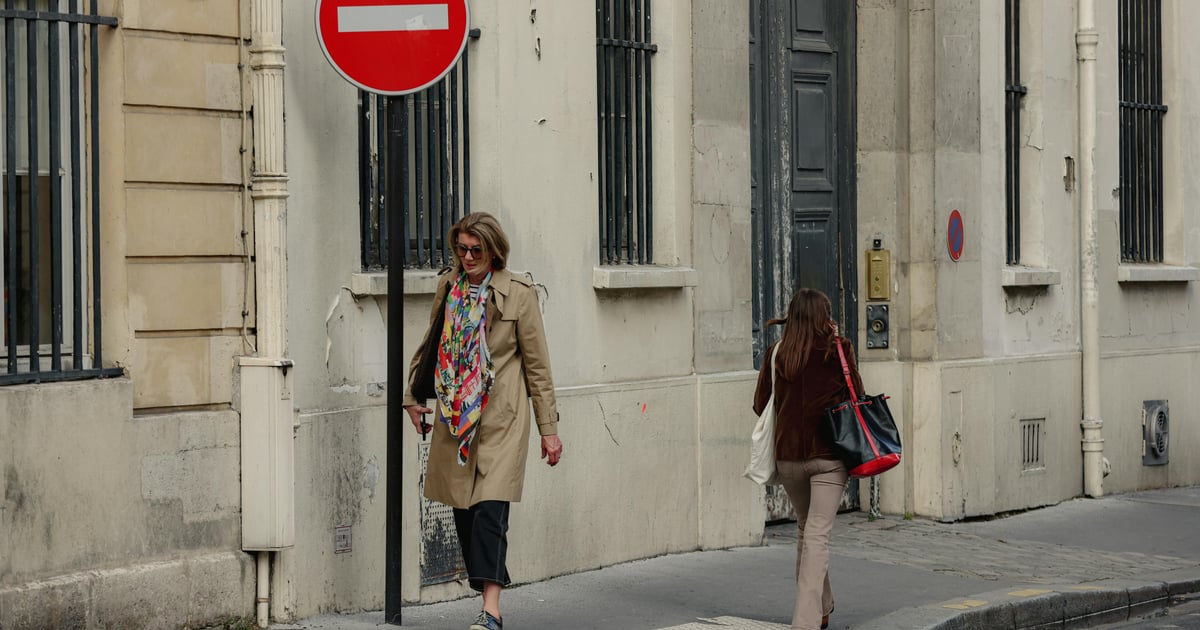
- Trench coat or raincoat (fashion-forward). For city travel where you need to look presentable. Wool trench coats and urban raincoats handle light-to-moderate rain while working in formal contexts.
For most travel, a packable rain jacket (8-14 oz) covers the full range. See our best packable rain jackets guide for options.
How the layers work together
The genius of the three-layer system is additive coverage:
- Base layer alone: hot weather, high activity, indoors in summer.
- Base + mid: cool weather, indoor in winter, outdoor in mild conditions.
- Base + outer: mild weather with rain or wind.
- All three: cold, wet, or unpredictable conditions.
Each combination handles a different weather envelope. A traveler with one good example of each layer covers temperatures from roughly 30°F to 75°F, dry or wet.
Critically, each layer can be added or removed independently as conditions change. The morning is cold (all three layers) → midday warms up (remove mid layer) → afternoon rain (outer layer back on over base) → evening cools (add mid layer again). A traveler in a single bulky fleece jacket has no equivalent flexibility. This adaptability is especially valuable during long travel days — for tips on how layering works in the specific context of air travel, see our guide on how to dress for a long-haul flight.
Adapting the system for different climates
Hot humid climates (Southeast Asia, tropical Mexico, summer in the Mediterranean)
The full three-layer system is often unnecessary. Focus on:
- Base layer only, in hottest periods.
- Base + lightweight outer (packable rain jacket or sun hoody) for rain and sun protection.
- A light scarf or shawl for overly-air-conditioned indoor spaces.
Merino base layers outperform cotton in hot humid climates despite counterintuitive wool associations. The fiber wicks moisture while regulating temperature in both directions.
Desert climates (Southwest US, parts of Middle East, Australian outback)
Hot days, cold nights. All three layers useful, but:
- Base layer: lightweight, UPF-rated for sun protection.
- Mid layer: lightweight fleece or down vest for evenings.
- Outer layer: lightweight windbreaker; rain is rare.
Temperate climates (most European summer, US spring/fall, New Zealand)
The three-layer system’s sweet spot. Carry all three; use combinations based on daily weather. Midweight base + lightweight mid + packable rain outer covers most conditions.
Cold climates (Northern Europe winter, Iceland, Patagonia, mountain travel)
All three layers, all at higher weights:
- Base: midweight merino.
- Mid: down jacket or heavy fleece.
- Outer: hard shell with hood.
For subzero conditions, add a fourth layer — either a second base (like a long-sleeve merino over the standard base) or a dedicated insulating vest worn between base and mid. For destination-specific layering advice, see our packing guides for Iceland and European winter city trips.
Variable/unpredictable climates (Ireland, UK, Pacific Northwest)
The three-layer system shines. You will use all three combinations in a single day. Pack all three every day.
Common layering mistakes
Mistake 1: Cotton anywhere in the system
A single cotton layer undermines everything. Cotton absorbs moisture and stays wet. A cotton t-shirt under a rain jacket becomes a cold compress against your skin. Go synthetic or wool throughout.
Mistake 2: Bulky single-layer coats instead of layered systems
A bulky down parka handles one scenario: very cold, dry weather. If conditions shift warmer (body heat in a subway) or wetter (unexpected rain), the parka becomes a liability. Layering handles the range; single-layer bulk does not.
Mistake 3: Outer layer too warm
A “warm rain jacket” combines weather protection and insulation in one garment. This seems efficient but fails when you want just weather protection (warm rainy day) or just insulation (cold dry day). Separate the functions — shell for weather, mid layer for warmth — and both jobs happen better.
Mistake 4: Base layer too warm
Heavy base layers overheat during activity. If you find yourself stripping layers during mild walking, your base is too heavy. Go lighter and compensate with mid and outer layers.
Mistake 5: Ignoring the hood
An outer layer without a hood leaves a cold-head problem. Hood is non-negotiable on any travel shell. In extreme cold, the mid layer should also have a hood for double-hood protection.
Mistake 6: Skipping the mid layer to save pack space
The mid layer is the most frequently-skipped piece and the one that provides the most warmth. Cold-weather travelers who pack only a base and outer will be cold. A packable down jacket compresses to a water bottle’s volume — the pack space savings of skipping it are minimal.
Packing the system
A full three-layer travel system takes surprisingly little pack space:
- Base layers: 2-3 merino tees or long-sleeves (rotate for re-wear).
- Mid layer: 1 packable down jacket (2-4 oz when packed) or fleece (6-12 oz when packed).
- Outer layer: 1 packable rain jacket (8-14 oz, compresses to a water bottle).
Total added volume: roughly one-third of a packing cube for a 3-layer system. Adding this to a base wardrobe expands trip flexibility dramatically with minimal luggage penalty.
Visual layer combinations
Here are specific outfit templates for reference:
Spring in European cities (55°F, light rain possible)
- Base: long-sleeve merino
- Mid: lightweight down vest
- Outer: packable rain jacket (carry, don’t wear)
- Bottom: wool-blend chinos
- Shoes: leather sneakers
Fall hiking day trip (45-65°F, shower possible)
- Base: short-sleeve merino + lightweight merino long-sleeve over
- Mid: light fleece pullover
- Outer: packable rain jacket (in pack)
- Bottom: hiking pants
- Shoes: trail shoes
If your trip mixes trail days and city sightseeing, see our guide on packing for hiking and city days on the same trip.
Winter in Northern Europe (25-40°F, dry-to-snowy)
- Base: midweight merino long-sleeve
- Mid: medium down jacket
- Outer: winter hard shell with hood
- Bottom: wool trousers or fleece-lined travel pants
- Shoes: waterproof boots
Tropical destination with air-conditioned interiors (85°F outdoor, 65°F indoor)
- Base: short-sleeve merino tee
- Mid: lightweight merino cardigan (carry for interior AC)
- Outer: packable rain jacket (for tropical storms)
- Bottom: linen or merino shorts / lightweight pants
- Shoes: breathable sneakers or sandals
High-altitude trekking (20-70°F depending on elevation)
- Base: midweight merino long-sleeve
- Mid: down jacket (packable)
- Outer: hard shell (wind protection matters more than rain)
- Plus: a sun hoody as additional base for high-UV exposure
- Bottom: hiking pants with side zips for venting
Building your layering system — first three pieces
If you are starting from zero, these are the three layers to buy first, in order:
- A midweight merino long-sleeve ($60-$120). Base layer for most travel.
- A packable down jacket ($100-$300). Mid layer that handles most cold-weather needs.
- A packable rain jacket ($100-$350). Outer layer for weather protection.
This three-piece kit covers 70% of travel weather for 70% of travelers. Add specialized pieces (hardshell for alpine travel, multiple bases for extended trips) as your travel style clarifies.
FAQ
Do I need waterproof outer layers, or is water-resistant enough?
For urban travel with light rain, water-resistant (DWR-treated) is often enough. For extended outdoor time in real rain, waterproof (Gore-Tex, eVent, or equivalent membrane) is worth the price premium. The line: if the rain will last more than 30 minutes, you want waterproof.
Can I use a puffy vest instead of a full mid-layer jacket?
Yes, for many conditions. A puffy vest keeps your core warm while leaving arms free for active use. Works best when paired with a long-sleeve base layer and an outer shell. Less warm than a full jacket, but more versatile.
How do I layer in a business context?
Merino base under a dress shirt under a blazer, with a wool overcoat on top. The principle is the same — base for moisture, middle for insulation, outer for weather — but the fabrics are dressy instead of technical. For more on business travel, see our business trip packing guide.
Is fleece better than down as a mid layer?
Different use cases. Fleece is more durable, handles moisture well, and is less expensive. Down is warmer for the weight and compresses smaller. For urban/travel use where packability matters, down wins. For rough outdoor use where durability matters, fleece wins. Synthetic insulation (PrimaLoft) is a compromise.
How warm of a system do I need for sub-freezing weather?
For 20-30°F casual/walking use: midweight base + midweight down + shell. For 0-20°F: add a heavier down layer or swap mid for heavyweight. Below 0°F, consider expedition-weight everything plus face protection. For guidance on specific destinations, see our what to pack for Iceland guide.
Final thoughts
Layering is not complex. The three-layer system is a single organizing idea — moisture management, insulation, weather protection — that, once internalized, makes travel dressing dramatically more flexible. The specific pieces matter less than understanding the roles, and the roles matter less than being willing to actually put the system into practice (wearing the right layer at the right time, removing layers when warm, adding when cool). Travelers who complain about weather usually just need a better layering system. Travelers who handle weather effortlessly usually have one.