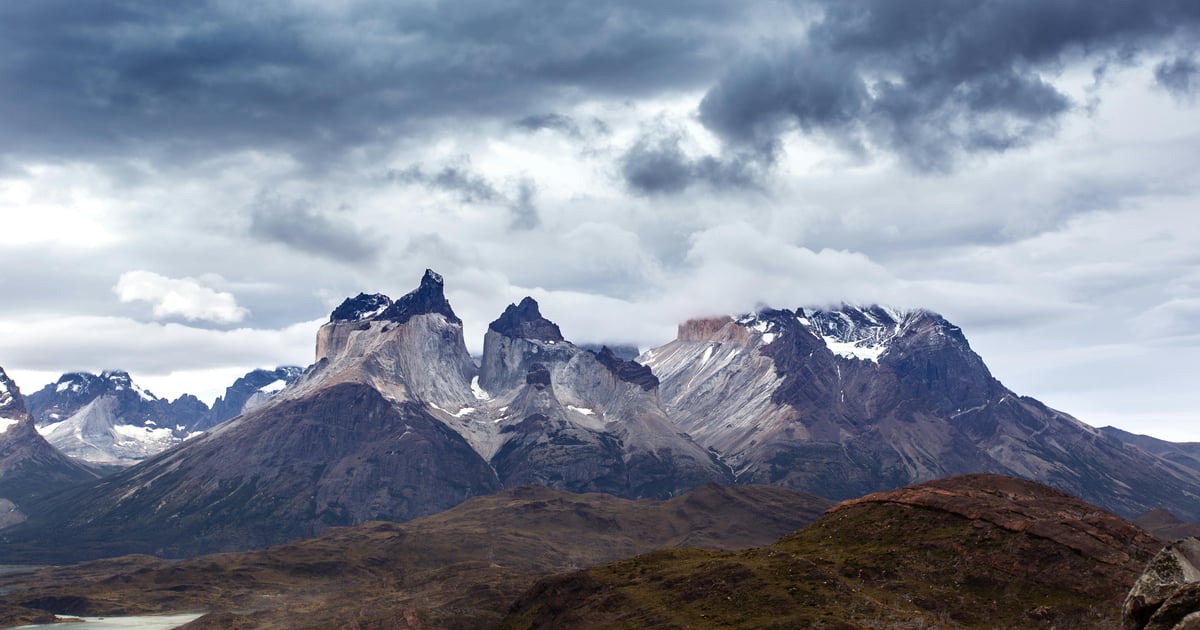
Many of the best trips blend hiking and city days. Dolomites plus Venice. Patagonia plus Buenos Aires. Iceland plus Reykjavik nightlife. Kyoto temples plus Nakasendo trail. Banff plus Calgary. The trips are ideal because they combine the physicality and landscape of hiking with the culture and dining of city travel — you get the full range of a region rather than just one mode.
The packing challenge: a wardrobe that handles a 15-mile alpine hike and then a nicer restaurant dinner in the same bag, without being either “obvious hiker dressed for dinner” or “city traveler struggling on a trail.” This guide covers the dual-purpose approach for trips that mix both contexts.
The core challenge: different gear demands
Hiking and city travel have genuinely different clothing demands:
Hiking:
- Technical fabrics (moisture-wicking, quick-drying)
- Durable construction (abrasion resistance)
- Supportive footwear (ankle support, grip)
- Visible-performance aesthetic (obvious branding, color)
- Practical features (pockets, gusseted construction, UPF)
City:
- Presentable fabrics (natural fibers, clean lines)
- Refined construction (tailored fit, quality finish)
- Style-appropriate footwear (leather, clean sneakers)
- Understated aesthetic (subtle colors, minimal branding)
- Comfort for long walking and dining
Packing separately for both doubles your wardrobe. Packing a single wardrobe that handles both requires careful fabric and style choices — but it is achievable.
The dual-purpose wardrobe
Tops (pack 5-7)
3 merino t-shirts or long-sleeves (mix of sleeves): The perfect dual-purpose top. Works on trail (wicks sweat, resists odor, UPF); works in city (looks like a normal shirt, not obviously athletic). Dark or muted colors — not bright hiking-branded colors. See our best merino wool t-shirts guide.
1-2 nicer tops: A lightweight collared shirt (men), a silk-blend blouse (women), or a knit top that reads as city-appropriate. For evenings and nicer dining.
1 UPF long-sleeve hiking shirt: Useful on sunny hikes, doubles as a casual long- sleeve for cooler city days if the color is muted.
1 thermal base layer (for cold-weather hiking portions): Merino long-sleeve in a neutral color.
Bottoms (pack 3)
1 pair of hiking pants (versatile styling): The key piece. Choose pants that look more like chinos than like obvious hiking pants. Prana Stretch Zion, Outdoor Research Ferrosi, Kuhl Liberator, or Bluffworks performance chinos all handle both contexts. Dark colors (olive, gray, navy) are more versatile than khaki-brown hiking colors.
1 pair of travel chinos or dressier pants: For city days and nicer dinners. Cannot hike in these but they make city time feel different from trail time. See our best wrinkle-free dress pants (men) and best wrinkle-free dress pants (women).
1 pair of shorts or leggings: For hot hiking days or casual city wear. Hiking shorts work for both contexts if tailored rather than athletic-cut.
Layers (pack 2-3)
1 mid-weight fleece or merino mid-layer: For cool hikes and cool city evenings. Choose subtle styling — a zip-neck fleece in a solid dark color works for both, while a bright technical pullover reads as hiker. Patagonia Better Sweater or similar.
1 packable down jacket: For cold portions of hikes and cold city evenings. Compresses small. Neutral color reads city-appropriate. See our best packable down jackets guide.
1 packable rain jacket: For hiking rain, city rain, and wind. See our best packable rain jackets guide.
The three-layer system (see our complete guide to layering) is especially effective for dual-purpose trips because it adapts to temperature regardless of context.
Underwear and socks
5-7 pairs of merino underwear: Same pair works for hiking and city. See our men’s and women’s guides.
4-5 pairs of merino socks: Midweight hiking socks work for hiking days and are comfortable in sneakers or boots for city. See our best travel socks guide.
1-2 pairs of dress socks for nicer dinner with leather shoes.
Footwear (pack 2-3)
The single most important decision for dual-purpose trips. Options:
Option A (two pairs): Hiking boots + leather-look sneakers
- Waterproof hiking boots (Salomon X Ultra, Merrell Moab, Lowa Renegade) for trails.
- Clean leather-look sneakers (Cole Haan Grand Pro, Koio) for city. Worn on plane to save pack space.
Option B (two pairs): Trail runners + nicer walking shoes
- Trail runners (Altra Lone Peak, Hoka Speedgoat) for moderate trails. Lighter than boots.
- Leather sneakers or loafers for city.
Option C (one pair): Versatile hiking shoes
- Merrell Moab or similar trail-to-town style that works in cities without screaming “hiker.”
- Skip the city-specific shoe. Works only if your city days do not involve dressier restaurants.
For cold-weather dual-purpose trips like winter hiking plus European city days, the layering demands increase — see our European winter city trip guide for handling sub-freezing temperatures with style-appropriate outerwear.
Most travelers benefit from Option A or B — separate shoes for different contexts. The pack weight of two shoes is worth the gain in comfort and style-appropriateness.
Skip: flip-flops (unless beach is in the trip), dress shoes (unless specifically needed), ultralight minimalist shoes (inadequate for real hiking).
Accessories
Daypack (20-30L): Primary hiking pack and city daypack. A clean-looking outdoor daypack (Osprey Daylite, Patagonia Black Hole) works both contexts. Avoid loud technical hiking packs for city use.
Baseball cap or packable wide-brim: For sun. A plain hat works in city; a bright-color hiking hat does not.
Merino beanie: For cold portions.
Light gloves: If cold hiking is involved.
Sunglasses: Polarized. Functional across contexts.
Reusable water bottle or hydration bladder: For hiking. Bottle also useful in city.
Headlamp: For pre-dawn hikes or late trail finishes. Skip if no real hiking.
Small first aid kit: Blisters, cuts, insect bites are hiking realities.
Trekking poles (collapsible): For longer or steeper hikes. Optional.
Quick-dry camp towel: For post-hike river swims or hot spring stops.
Pro Tips
Muted colors over bright technical
A dark olive jacket reads as “I’m dressed for the weather” in a city. A bright orange rain shell reads as “I just came off a mountain.” Technical performance does not require bright colors — the same waterproofing exists in subtle colors. Prioritize muted colors when choosing between otherwise-equivalent pieces.
Choose hiking pants that pass for chinos
The Prana Stretch Zion in dark colors genuinely works for cafe dinners. The same fabric in safari-beige does not. The fabric performance is identical; the color changes the context-fit. Similar logic for Patagonia Quandary Pants, Outdoor Research Ferrosi.
Wear hiking shoes on the plane
Boots take up significant pack volume. Wearing them on the plane saves 1-2 cubes worth of space. Trail runners or low-cut hiking shoes are even easier at security. Leather-look sneakers pack easily for city alternate.
Use the three-layer system as the wardrobe spine
Base + mid + shell handles both hiking (active warmth) and city (weather-ready casual). Each layer is used in both contexts. This eliminates the “winter clothes for mountain, spring clothes for city” duplication.
Smell-test your merino before the city days
Merino resists odor better than synthetics but is not magical. After 2 days of sweaty hiking, a merino base layer might still wear fine — but check before wearing it to a restaurant. If it fails, rotate to a fresh one. This is why 3 tees matter rather than 1-2.
Pack a “transition kit” for post-hike dinner
On days that hike → dinner, pack a small stuff sack in your daypack with: fresh t-shirt, fresh socks, wet wipes or small towel, deodorant, change of underwear. Quick change at the car or trailhead turns hike-dirty into dinner-clean in 5 minutes.
Compression cubes for the puffy layers
Down jackets and fleece compress dramatically in compression cubes. When on the trail carrying them, they are bulky. In your luggage, compression saves 50% of volume. See our best packing cubes guide.
Plan hard-hiking days vs city days explicitly
A 10-day dual-purpose trip might break into 4 hiking days + 3 city days + 3 transition or rest days. Pack specific outfits for each day. This avoids “I’ll figure it out” over- packing.
What to skip
- Dedicated hiking shirts with logos and compression panels (merino looks better in both contexts)
- Bright-color rain jackets (muted colors work in city; bright colors do not)
- Cargo-style hiking pants (too obvious for city)
- Two pairs of hiking boots (one pair with quality socks handles range)
- Dressy evening outfits that don’t work in cool weather (layer-able options are more useful)
- Multiple fleeces (one works)
- Duplicate daypacks (one good daypack does both)
- Specialized gear for unlikely activities (pack for your actual itinerary)
- Compression sleeves or KT tape unless specifically needed
Example dual-purpose itineraries
Dolomites + Venice (10 days)
- Dolomites (5 days): Hiking pants + merino tees + fleece + down + rain shell + hiking boots. Daily layering based on elevation and weather.
- Transition day: Travel chinos + merino long-sleeve + down + sneakers. Works for Venice arrival.
- Venice (3 days): Travel chinos + merino tops + light layers + clean sneakers. One nicer top for dinner on the canals.
Patagonia + Buenos Aires (14 days)
- Torres del Paine trekking (7 days): Hiking pants + merino base + fleece + down + shell + waterproof boots. Full layered system.
- El Calafate/El Chalten (2 days): Same kit minus the trek intensity. Boots to town diners acceptable (casual culture).
- Buenos Aires (5 days): Travel chinos + merino tops + light layers + leather-look sneakers. One nicer outfit for tango or dinner out.
Kyoto + Nakasendo trail (10 days)
- Kyoto (4 days): Travel chinos + merino tops + cardigan + clean sneakers. Pants and long sleeves for temple visits. See our packing for Japan guide.
- Nakasendo 3-day trail: Hiking pants + merino base + fleece + rain shell + trail runners. Traditional tatami-mat ryokans at night (shoes off, yukata provided).
- Tokyo (3 days): Travel chinos + nicer tops + sneakers. City focus.
FAQ
Can one shoe really work for both?
For moderate trips, yes. Merrell Moab, KEEN Targhee, or similar “hybrid” hiking shoes look acceptable in cities. For serious hikes or dressier city contexts, two pairs is the right call.
What if my city dinner has a jacket requirement?
Pack one lightweight travel blazer that can go over a merino long-sleeve. Adds one piece; handles 95% of “jacket required” contexts. Can also pack flat under a rain shell in a packing cube.
How do I handle wet hiking clothes at a city hotel?
Rinse immediately on arrival, hang to dry in the bathroom. Merino and technical synthetics dry in 6-12 hours in a warm hotel bathroom. For persistent wetness, hotel laundry services work for $5-$15 per bag.
Can I do multi-day hiking with this wardrobe?
Yes, for 3-5 day hut-to-hut trips with overnight bag access. For longer thru-hiking, you may want dedicated ultralight hiking gear. For the majority of “hike + city” trips, this dual-purpose wardrobe works.
What about climbing or more technical mountaineering?
Climbing needs technical gear (harness, helmet, specialized clothing) beyond this wardrobe. For trips that include climbing days, rent or pack the technical gear separately. For scrambles and non-technical peaks, this wardrobe handles it.
Is this approach workable for families with kids?
Yes, with additions for kids’ own dual-purpose needs. Kids generally care less about city style so a single hiking-adjacent wardrobe works across contexts for them. Adults benefit more from the dual-purpose approach.
Final thoughts
Dual-purpose trips are among the most rewarding travel formats — you get the physicality and landscape of hiking plus the culture and dining of cities in a single trip. Packing well for them requires about 16-20 pieces of clothing, two pairs of shoes, and strategic accessory choices. The key insight: most “hiking clothes” and “city clothes” can be the same clothes if you choose fabrics and colors that work across both contexts. Muted colors, merino base layers, and neutral-styled hiking pants bridge the gap. Once built, the same wardrobe works for Dolomites-plus-Venice and for every similar hike-plus-city itinerary you’ll plan in the future.