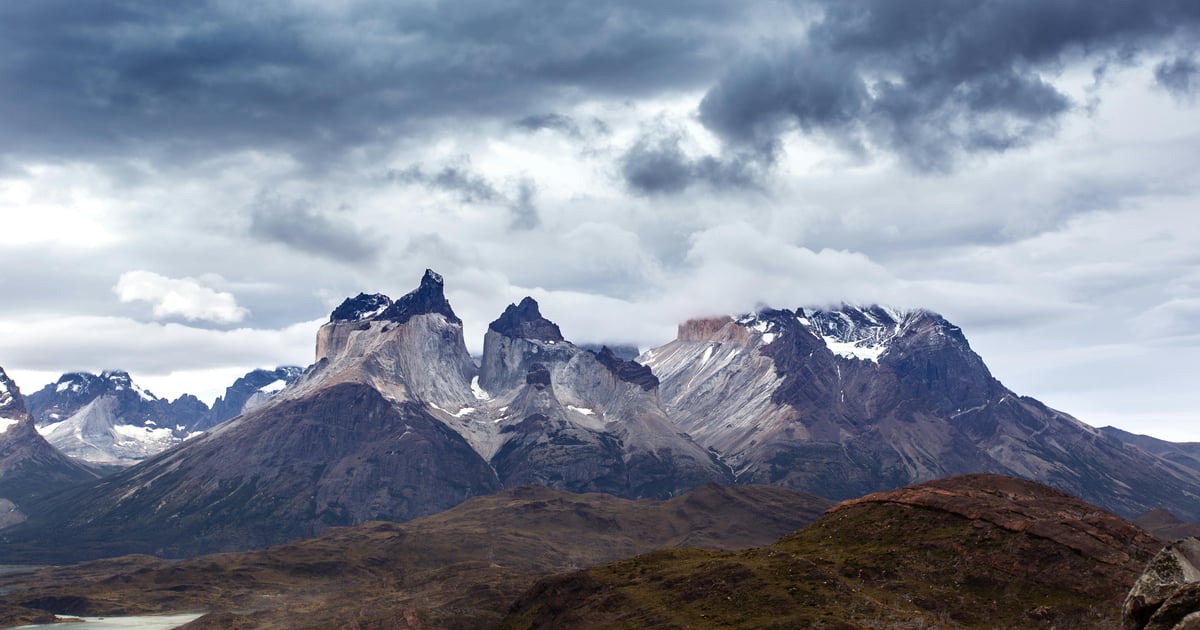
Patagonia does not care what month it is on your calendar. It cares about the wind. The region sprawls across the southern tips of Chile and Argentina, from glacier-carved fjords to the granite spires of the Fitz Roy massif to the wind-scoured grasslands surrounding Torres del Paine. The defining feature is not temperature — mild summer highs rarely break 70°F and winter nights bottom out around 20°F — but the Roaring Forties winds that tear across the region, often gusting above 60 mph on exposed passes.
The practical consequence: you need clothing that handles four distinct weather states in a single day. A sunny 55°F morning at the trailhead becomes a horizontal-rain 40°F afternoon at a mirador, which becomes a wind-knifed 35°F sunset on the return. Pack for any one of those conditions and you will suffer. Pack the whole system and you will hike the W Trek in comfort.
This guide covers what to bring for a mixed 10-to-14-day Patagonia trip that combines trekking days (Torres del Paine, El Chaltén) with urban time (Puerto Natales, El Calafate, Buenos Aires), during the peak Southern Hemisphere summer months of November through March.
When to go (and what it means for packing)
Patagonia’s hiking season is narrow. Trail shelters, bus schedules, and most refugios only operate November through mid-April, with peak conditions roughly December through February. The shoulder weeks on either end bring more stable weather but colder nights and some closed infrastructure.
Early season (November-early December): Cooler temperatures, snow still lingering on higher trails, longer daylight building toward the solstice, fewer crowds.
Peak (mid-December through February): Warmest temps (highs 55-70°F), longest daylight (17+ hours near the solstice), maximum winds, maximum crowds, mandatory advance bookings for refugios.
Late season (March): Stable weather, fall colors in the lenga forests around Fitz Roy, shorter days, colder nights (30-40°F lows), fewer people.
No matter when you go, the layering system below stays essentially the same. Only the weight of the base layers and the insulation shifts.
The wind problem
Before we get to gear, understand what wind does to you. At sustained 40 mph, a 50°F air temperature feels like 38°F against exposed skin. At 60 mph gusts — common on the Paso John Gardner and exposed ridgelines near Fitz Roy — the same air temperature feels below freezing. Wind also destroys the dead-air insulation inside fleece and down jackets if those layers are not protected by a windproof shell.
This is why a windproof, waterproof outer layer is not optional in Patagonia. It is the piece that makes everything underneath it work. See our complete guide to layering for the full theory.
The layering system
Build your Patagonia wardrobe around three layers that can combine in any configuration:
Base: Merino or synthetic next-to-skin layer that wicks sweat and dries fast. Mid: Insulating layer (down jacket, synthetic puffy, or midweight fleece) that traps warm air. Shell: Waterproof, windproof hardshell that blocks weather without letting moisture build up inside.
You can wear all three simultaneously on cold passes, two at a camp, one at lower elevations. The system scales. Merino base layers do especially well here — see why merino wool for travel — because multi-day wear without washing is normal on trek days, and the odor resistance matters.
Tops (pack 5-7)
2-3 merino base layers: A mix of one short-sleeve and two long-sleeve in 150-200 gsm weight covers summer. For shoulder season, swap one long-sleeve for a 250 gsm version. These are your primary body-warmth layer and your sleep layer on trek nights.
1 lightweight fleece or merino pullover (mid layer): A quarter-zip or full-zip fleece adds flexibility that the puffy alone cannot. On mild days you can hike in the fleece with the shell over it and leave the down jacket in your pack.
1 packable down or synthetic insulated jacket: Your primary warmth for camp, summit passes, and windy lunch breaks. An 800-fill-power down jacket in the 10-14 oz range is ideal. See our down vs synthetic insulation guide — down wins for pack weight, but synthetic handles sustained wet weather better, which Patagonia sometimes delivers.
1 casual shirt for town days: A merino button-down or nicer knit for Puerto Natales restaurants, El Calafate cafes, and the Buenos Aires bookends of most itineraries. Doubles as a layer under the fleece if needed.
Skip: Cotton shirts, fashion tops that do not layer, anything thick that does not compress.
Bottoms (pack 3-4)
1 pair of hiking pants: Lightweight, quick-dry, stretch-woven nylon. Ideally with articulated knees and a slight DWR coating for drizzle. Zip-off convertible pants are useful if you want shorts for the warmest afternoons, but a fixed pair looks better in town.
1 pair of merino base-layer leggings: For cold mornings at camp, under shell pants in bad weather, and as sleep pants. 200-250 gsm weight.
1 pair of waterproof shell pants or rain pants: Non-negotiable for Torres del Paine and Fitz Roy treks. Horizontal rain and wet grass soak regular hiking pants within an hour. Side zips are worth the extra weight — they let you get the shell pants on over boots without a dance.
1 pair of travel pants or dark jeans for town: Something presentable for Buenos Aires evenings and non-trek days. Slim travel chinos work well.
Optional: 1 pair of hiking shorts for the rare hot afternoon (usually 65-70°F with sun and no wind — it does happen).
Skip: Anything cotton, heavy hiking pants that do not dry overnight.
Layers and shells (pack 2)
1 waterproof, windproof hardshell jacket: The single most important piece for Patagonia. Must have: fully taped seams, a helmet-compatible (or at least generous) hood with a stiff brim, pit zips, and a proper waterproof rating (20K+ ideal, 10K minimum). This is not the place to economize with a packable “rain jacket.” You want a real hardshell built for sustained wind-driven rain. Look at Gore-Tex Pro, Gore-Tex 3L, or equivalent.
1 wind layer (optional but recommended): An ultralight wind shirt under 4 oz adds huge value on cool-but-dry days when the hardshell is overkill and the fleece alone is insufficient. Patagonia, Arc’teryx, and Montbell all make versions.
Underwear and socks
6-8 pairs of travel underwear: Merino for odor resistance on multi-day treks. See best travel underwear for men and best travel underwear for women.
5-7 pairs of merino hiking socks: This is the single biggest comfort investment for a trekking trip. Midweight crew socks. Plan to rotate two or three pairs on the W Trek — wet socks at camp are miserable and cause blisters. See our best travel socks guide.
2 pairs of sock liners (optional): Thin merino or synthetic liners cut blister risk on long mileage days.
Footwear
1 pair of waterproof hiking boots: Mid-height, broken in, Gore-Tex or equivalent membrane. Torres del Paine trails cross streams, boggy meadows, and rocky moraines — a trail runner will get you through but a real boot is more forgiving. Brands to look at: Salomon X Ultra, Lowa Renegade, Merrell Moab, Oboz Sawtooth.
1 pair of casual shoes for town and travel days: A leather-look sneaker or a low-profile walking shoe. Avoid bringing a third pair of shoes unless you have a specific reason — the weight is not worth it.
Camp shoes (optional): Ultralight foam sandals or Crocs for refugios and airing out your feet. Real luxury item on a multi-day trek.
Skip: Heavy mountaineering boots (unless you are ice-climbing), flip-flops (useless in wind), heels.
Accessories (all essential)
Warm hat (beanie): Merino or wool blend. You will wear it every morning and most evenings.
Buff or neck gaiter: Dust on the gravel roads, wind protection on exposed passes, sun protection at higher elevations. Always packed in a jacket pocket.
Gloves: Lightweight liner gloves plus a windproof overglove, or a single midweight fleece glove with a waterproof shell mitt for wet days. For the W Trek in peak season, liners alone usually suffice — but January storms can surprise.
Sunglasses: Glacier glare and UV exposure are serious at this latitude. Wraparound coverage preferred.
Sun hat with a chin strap: Exposed trails, strong sun, and wind that turns a brimmed hat into a frisbee. The chin strap is what keeps it on your head.
Headlamp: For early alpine starts to the Torres mirador (pre-dawn hikes are common) and for refugio use after dark.
Dry bag (10-20L) or waterproof pack liner: Patagonia rain gets inside daypacks through seams and zippers. A dry bag inside the pack protects electronics, warm layers, and sleeping bag.
Trekking poles: Optional but highly recommended. The descents from Paso John Gardner and from the Torres mirador are brutal on knees. Collapsible poles pack into checked luggage.
Swimsuit: Skip unless you are staying at a spa in El Calafate. Patagonian water bodies are mostly glacial runoff and deeply unpleasant.
The W Trek specifics (4-5 day version)
If Torres del Paine is your anchor activity, your daypack for the trek itself should contain: hardshell, insulated jacket, fleece or mid layer, hat, gloves, buff, sunglasses, sunscreen, headlamp, 2L water capacity, snacks, camera. The rest of your gear rides in a dry bag inside your main backpack or a transferred duffel (depending on whether you are self-carrying or using porter services between refugios).
Pack weights: self-carry 25-35 lb is typical for 4 days on the W Trek. Porter service can drop that to a daypack of 8-12 lb.
The Fitz Roy day hikes
El Chaltén is the base for day hikes to Laguna de los Tres (the iconic Fitz Roy view) and Laguna Torre. Because you return to town each night, you can travel lighter — no sleeping gear, no cooking gear, no multi-day food. But the weather system stays identical. The Fitz Roy viewpoint sits in a notoriously unstable weather zone; a 5 AM start is common, often in rain or snow, with hopes of clearing by the summit.
Your Fitz Roy day-hike pack: same layering system as the W Trek, minus the overnight gear. Pack the full shell system even if the forecast is clear. Summit conditions change hourly.
Pro tips
Check the Buenos Aires-El Calafate weight limits. Aerolineas Argentinas and other domestic carriers enforce 15 kg (33 lb) checked and 8 kg (17 lb) carry-on limits strictly, sometimes more strictly than international carriers. Excess fees are painful. Weigh your bag before the domestic leg.
Layer the airport outfit strategically. Wear your hardshell, your heaviest footwear, and either your fleece or your puffy during flights. That is 3-5 lb out of your checked bag.
Buy denatured alcohol, fuel, and bug spray in-country. You cannot fly with these. Puerto Natales and El Chaltén both have outdoor stores stocked with what trekkers need.
Assume 50% of your trek photos will be in the rain. Pack a clear plastic camera bag or use a phone with a waterproof case. The iconic Fitz Roy pre-dawn shot happens in weather most travelers consider unphotographable.
The refugios are not hostels. Booking is mandatory and must be done months in advance for peak season. You sleep on bunks with provided sheets; some refugios offer hot meals, others are self-catering. Pack a compact sleeping bag liner even if the refugio provides bedding — shared sleeping spaces are what they are.
Patagonia is expensive. Budget about $100-$150 per person per day minimum once you include transfers, park fees, refugios or camping, and meals. Argentina’s exchange rate fluctuates wildly — bring US dollars cash for the blue-market exchange, which typically runs 30-50% better than card rates.
What to skip
- Cotton anything (the usual warning, amplified)
- A “rain jacket” that is not a true hardshell (will soak through in real Patagonian weather)
- Umbrella (wind destroys it in five minutes)
- Flip-flops (useless in any trek context)
- Heavy formal wear (nowhere to use it)
- Full cooking kit for W Trek (refugios sell meals or have cooking facilities; confirm per refugio)
- New boots (break them in at home — the trails are unforgiving)
- A second insulating jacket (one puffy plus one fleece handles everything)
The 10-14 day itinerary packing list at a glance
| Category | Count |
|---|---|
| Merino base layers (tops) | 2-3 |
| Fleece/mid layer | 1 |
| Insulated jacket | 1 |
| Hardshell jacket | 1 |
| Casual shirt for town | 1 |
| Hiking pants | 1 |
| Merino base-layer leggings | 1 |
| Waterproof shell pants | 1 |
| Travel pants for town | 1 |
| Underwear | 6-8 |
| Merino hiking socks | 5-7 |
| Hiking boots | 1 pair |
| Casual town shoes | 1 pair |
| Hat, gloves, buff, sunglasses | 1 each |
| Dry bag, headlamp, sunscreen | 1 each |
Total packed weight for this list, in a 45-50L pack: approximately 14-18 lb of clothing and accessories, plus any backpacking-specific gear (tent, sleeping bag, stove) if you are camping instead of using refugios.
For a broader multi-climate framework, our multi-climate packing guide covers how the same system extends to trips crossing climate zones. For the hiking-plus-city dynamic specifically, see our hiking and city packing breakdown.
FAQ
Is Patagonia really that windy?
Yes. Sustained 30-50 mph winds are normal on exposed ridgelines and passes in summer. Gusts above 80 mph have been recorded on the W Trek. This is not hyperbole — it is the defining feature of the regional climate. Pack the hardshell even if the forecast looks clear.
Can I do the W Trek in a trail runner instead of a boot?
Experienced ultralight hikers do, successfully. But you need waterproof or quick-draining shoes, gaiters, and enough trail experience to manage stream crossings and wet scree without an ankle issue. For a first Patagonia trip, a mid-height waterproof boot is the safer call.
Do I need to hire a guide or porter?
Neither is required for the W Trek or the Fitz Roy day hikes. All main trails are well-marked and heavily trafficked in season. Porter service (where your overnight gear is carried between refugios) costs roughly $80-$120 per bag per leg — a real luxury but unnecessary if you are fit.
Is the weather different on the Argentine versus Chilean side?
Marginally. Both sides sit in the same wind belt and experience similar storm patterns. The Chilean side (Torres del Paine) is slightly wetter on average; the Argentine side (El Chaltén, El Calafate) is slightly drier but just as windy. Pack identically for both.
When is the Torres base sunrise viewing possible?
Most travelers attempt the pre-dawn hike to the Torres mirador on their second morning in the park. You need clear weather at the summit — which happens maybe 40-50% of the time in peak season. Build in a buffer day if you can, to try again if the first morning clouds over.
Can I do laundry between treks?
Puerto Natales, El Calafate, and El Chaltén all have laundromats (lavanderías) that do same-day service for a reasonable price. Plan to wash everything between your Chilean and Argentine trek legs.