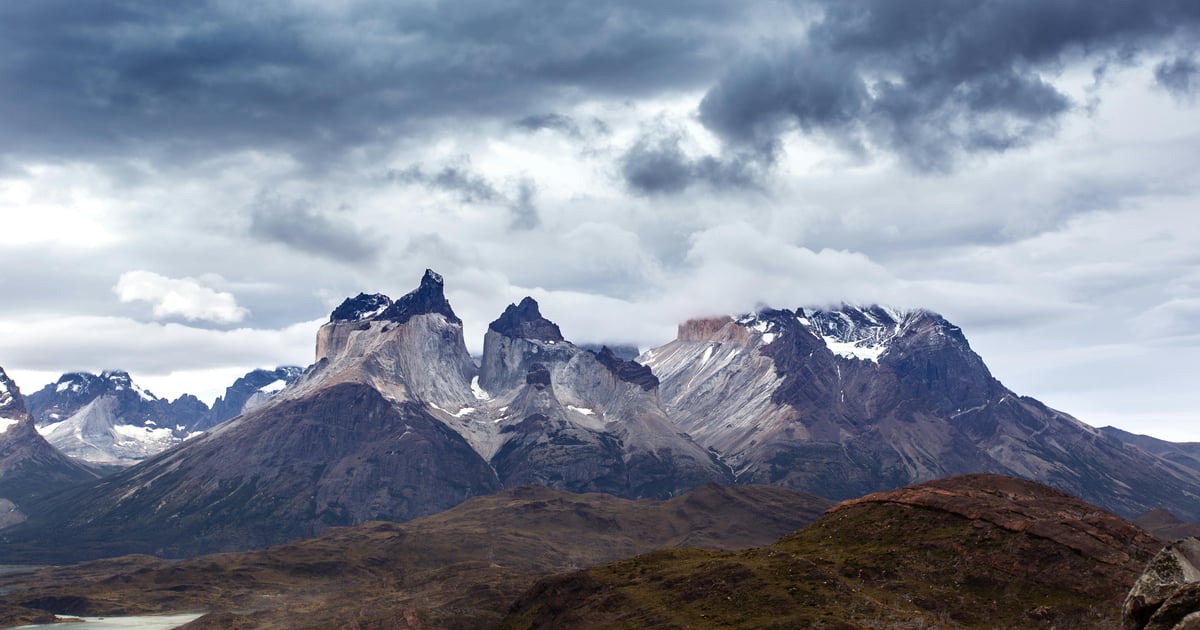
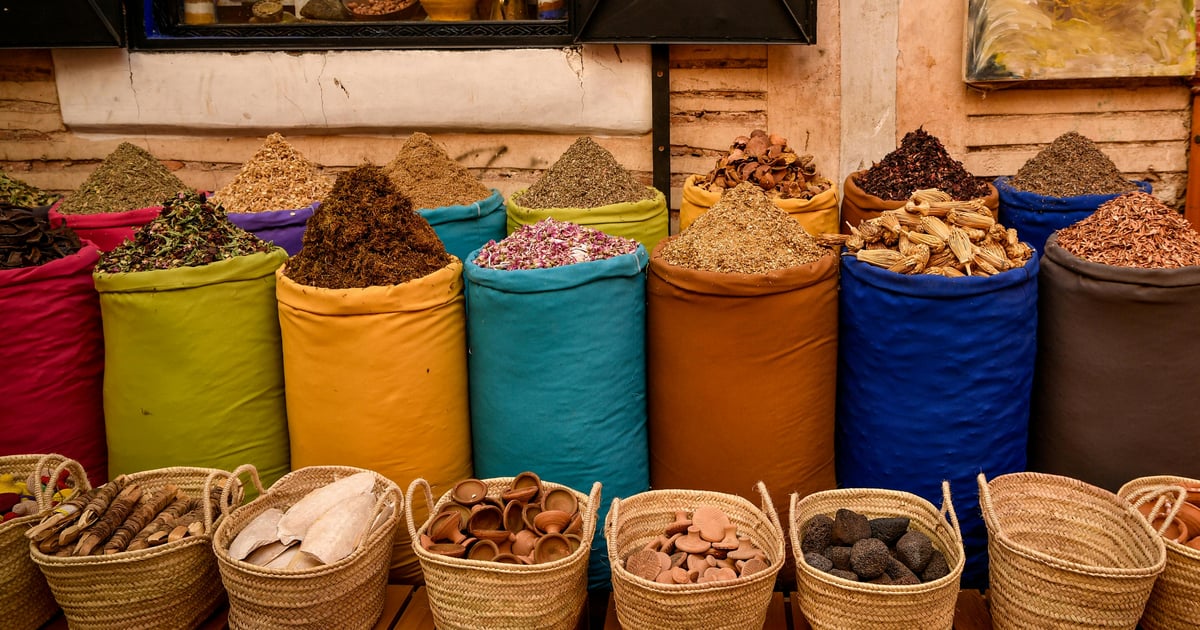
India is not a single packing problem. It is at least four: cold mountain north in winter, hot dry north in spring, monsoon everywhere from June through September, and hot humid south year- round. A trip that covers Delhi, Jaipur, Varanasi, Kerala, and a hill station hits three of those climates in two weeks. Packing for India well means packing for a range, with a sharper focus on fabric and modesty than most other destinations demand.
This guide is the practical version: what the regional differences actually mean for your bag, how modesty conventions shape what you wear at temples and mosques, which fabrics earn their space and which ones you should leave home, and a concrete 14-day mixed-itinerary list that covers most common routes. For the broader cultural dress context at religious sites, our dressing for religious sites guide is the companion piece.
The regional climate breakdown
India’s subcontinent produces three overlapping weather zones and one overarching wet season. Your itinerary determines which combination you pack for.
North India: cold winter, hot spring, searing summer
Delhi, Agra, Jaipur, Varanasi, and everything along the Gangetic plain run genuinely cold in December and January. Overnight lows in Delhi touch 40°F; Varanasi at dawn on the ghats in January is cold enough that a packable down jacket is the correct layer. By March, the same region starts running hot. By May and June, Delhi regularly hits 110°F with no rain to break it.
Mountain north: cold year-round above 5,000 ft
Shimla, Manali, Dharamshala, Leh, Rishikesh, and the Himalayan belt are 20–30°F colder than the plains year-round. Leh in summer needs a fleece at night. Leh in winter needs full winter clothing. If your itinerary includes any hill station, you are packing for two climates. Our base layers guide and down jacket roundup cover the cold layers that matter.
South India: hot and humid, year-round
Kerala, Tamil Nadu, Karnataka, and Goa sit in the tropics. Daytime highs rarely fall below 85°F; humidity frequently exceeds 80%. Winter in the south is what Northern visitors call “summer” back home. The fabric playbook here is linen, cotton, lightweight merino, and Tencel — heavy performance synthetics become uncomfortable within an hour. Our hot humid climate guide works through the full fabric logic.
Monsoon: June through September, countrywide
The southwest monsoon arrives in Kerala in early June and sweeps north over the following six weeks. Mumbai, Goa, and the Western Ghats see the heaviest rain. Delhi’s monsoon is milder but still wets the city for weeks. Monsoon travel in India is possible and sometimes rewarding — the landscape is green, crowds thin, prices drop — but it requires different packing. Quick-dry everything, a real rain shell, and mentally accepting that clothes will be damp for days at a time.
Modesty and temple dress
India is not uniformly modest, but temple dress standards are clear and not optional. Covered shoulders and knees are the minimum at any Hindu temple, most mosques, and virtually all Sikh gurdwaras. Some specific temples enforce stricter rules — no leather of any kind at Jain temples, no short sleeves at certain southern Shiva temples, removed shoes almost everywhere.
What covered actually means
- Shoulders: t-shirt sleeves count; tank tops and strappy dresses do not. If your shoulders are visible from the front, they are visible from the back.
- Knees: long pants, long skirts, or long dresses. Shorts that hit above the knee do not pass at temples, even the ones where they are “allowed.”
- Chest: no plunging necklines. A crewneck or mild v-neck is fine; anything that shows cleavage draws attention you do not want.
- Head covering: required at gurdwaras (Sikh temples) — a thin scarf works. Useful, not required, at some mosques. Not required at most Hindu temples.
Practical packing implications
- One thin long scarf (cotton or linen, 60–80 inches long). This covers everything: head covering at gurdwaras, shoulder coverage over a tank top, sun protection during the day, light wrap in cool evenings.
- Lightweight long pants or long skirts for temple days. Pair of cotton drawstring pants works for both men and women, packs to nothing, and crosses cultural registers cleanly.
- Shirts with real sleeves. Short-sleeve tees are fine. Tank tops and sleeveless tops work in hotels, beach contexts, and some urban restaurants — not at temples.
- Slip-on shoes. You will take your shoes off dozens of times. Lace-up hiking shoes become a liability. Slip-on sandals, loafers, or minimalist sneakers make temple visits smooth.
Fabric strategy for India
What shines
- Cotton. India has the world’s deepest cotton culture, and local cotton kurtas, shirts, and pants breathe better in Indian heat than most Western synthetic travel clothing. You can (and should) buy locally — cotton kurtas run $5–$15 at local markets and outperform anything you brought.
- Linen. Premium choice for hot south Indian travel. Wrinkles are the aesthetic. See our travel fabrics 101 for the fabric-level reasoning.
- Lightweight merino. Specifically for hill stations, cold January nights in Delhi, and long train rides in AC carriages (which are often aggressively cold). A 150–180 gsm merino tee is worth a packing-cube slot even on a mostly-hot itinerary. Our merino t-shirt roundup covers specific picks.
- Tencel and lyocell blends. The under-appreciated hot-weather option — soft, drapey, faster dry times than cotton. Our Tencel guide works through when to choose it.
What struggles
- Heavy synthetic performance fabrics. Mid-weight nylon travel pants feel like a sauna in south Indian heat. A pair of light cotton drawstring pants costs $5 locally and works dramatically better.
- Pure polyester base layers. Odor retention becomes a real problem in Indian heat. Within one sweat-heavy day, the shirt is unwearable again. See our why cotton is worst guide for the odor mechanics — and note that polyester is worse than cotton on this specific axis.
- Down jackets in the plains. Useful for Delhi-in-January mornings, useless for the rest of the year. Only pack one if your itinerary genuinely justifies it.
A note on color
Bright colors are entirely normal in India. The stereotype that “tourists should dress muted” is wrong here — saffron, magenta, teal, and marigold are the cultural palette, and a western visitor in bright cotton blends in better than one in head-to-toe black. Two exceptions:
- All-white is funeral dress in Hindu contexts. A white shirt-and-pants outfit at a Hindu festival or ceremony reads as mourning attire. Not offensive, but culturally odd.
- Black is rarely worn in Indian sacred spaces. Not forbidden, but notably absent. At a temple, lean colorful rather than all-black.
The 14-day mixed-itinerary packing list
This list assumes a two-week trip covering north Indian cities (Delhi, Agra, Jaipur, Varanasi) in October through March — the most common tourist window — with one hill station stop added. It works for both men and women with minor adjustments.
Tops (6 total)
- 2 short-sleeve cotton or Tencel tees. Light color, breathable. Temple-appropriate under a thin long-sleeve over-layer.
- 2 long-sleeve button-downs (cotton or linen). Sun protection, mosquito protection, temple- appropriate. One white-or-cream, one pattern or color.
- 1 lightweight merino tee (150–180 gsm). For chilly mornings, AC train carriages, the hill station stop.
- 1 thin long-sleeve layer — linen button-down or merino long-sleeve. Evenings, cool days, plane layer.
Bottoms (3 total)
- 1 pair lightweight cotton or linen pants. Daily wear; temple-appropriate.
- 1 pair travel jeans or sturdy travel pants. For travel days, cities, and the hill station.
- 1 pair lightweight drawstring cotton pants. Bought locally on day 2 for $5–$10. Sleep, lounge, hot-day secondary option.
Outer layers (2 total)
- 1 packable rain shell. Mild version for non-monsoon travel; proper one if you hit any rain. Our rain jacket roundup covers options.
- 1 packable down jacket or fleece — only if your itinerary includes a hill station or Delhi/Varanasi in December–February. Skip otherwise.
Accessories (the load-bearing pieces)
- 1 long thin scarf. The most versatile single item on this list. Linen or cotton, 60–80 inches. Multi-purpose: head covering at gurdwaras, shoulder coverage over tanks, sun shade, mosquito layer at dusk, evening wrap. Our travel scarves guide covers specifics.
- 1 brimmed hat. Real sun, real sunburn risk. See our packable sun hat roundup.
- 1 pair sunglasses. With UV protection.
Footwear (2 pairs)
- 1 pair comfortable walking shoes. Slip-on preferred — you will take them off constantly. Minimal sneakers, canvas shoes, or leather loafers all work.
- 1 pair sandals. For beaches, hotels, and hot-day temple visits where shoes-and-socks becomes unbearable. Our travel sandals roundup covers good options.
Underlayers
- 5 pairs underwear. Merino or synthetic — both dry fast, and you will be washing in hotel sinks. See men’s underwear or women’s underwear.
- 4 pairs socks. Thin merino blend; two for shoes, two for the hill station or air- conditioned night trains.
- 2 bras / sports bras (for women travelers).
What to add for monsoon
If your trip falls between June and September, add:
- A proper (not packable) rain shell — better DWR, taped seams. Packable shells are overwhelmed by monsoon rain.
- One extra pair of quick-dry travel pants. Cotton stays wet for a full day; you need a dry pair to rotate into.
- Sandals with straps (Chaco, Teva, Keen). Flip-flops do not handle monsoon-flooded streets. Closed shoes get soaked and stay soaked.
- Waterproof stuff sacks for the inside of your bag. Zip-locks or dry sacks keep electronics and dry clothes separated from wet laundry.
What to add for hill stations
If Shimla, Dharamshala, Darjeeling, Leh, or Rishikesh are on the itinerary, add:
- Packable down jacket (700-fill or better, 10–14 oz total weight).
- Fleece mid-layer — our fleece roundup covers options.
- Base-layer bottoms — thin merino leggings to wear under pants on cold mornings.
- Warm hat and thin gloves.
What to leave home
- Multiple pairs of shorts. Shorts in India are culturally uncommon in most adult contexts. Hotel grounds, beach, and trekking are the only places they work. One pair is enough.
- Tank tops as your only top option. Bring tanks if you wear them regularly, but they do not work alone at temples and many restaurants.
- Cotton towels. Hotels provide. Quick-dry travel towels only matter for pool/beach days.
- Heavy hiking boots. Unless you are trekking. Leather loafers or light hiking shoes cover the rest.
- Formal dress clothes. Unless you have a specific event, Indian restaurants and hotels accept smart casual. A clean button-down and dark pants covers any dinner context.
Buying clothing in India
India is one of the cheapest places in the world to buy clothing, and the local options frequently outperform imported travel gear in heat. Budget one afternoon on day 2 of the trip to buy two or three cotton kurtas or simple cotton tunics, a pair of drawstring cotton pants, and (for women) a thin dupatta or shawl. These will be your primary daily wear from that point on. Expect to pay $3–$10 per piece at local markets.
This is not a concession. It is the correct strategy. Our travel wardrobe on a budget guide covers the economics.
Practical concerns beyond climate
Mosquitoes and sun
Long sleeves and long pants address both at once. A thin long-sleeve cotton shirt is a more effective mosquito barrier than repellent alone, and it addresses sunburn for free. Our UPF ratings guide works through what sun-protective fabric actually means.
AC shock
Indian trains, buses, and many hotels run air conditioning aggressively cold. The hottest day in Chennai ends with a shivering 12-hour overnight train ride. Keep a merino long-sleeve accessible, not buried in a packing cube.
Laundry on the road
Most hotels above budget tier offer same-day or next-day laundry service for $2–$5 per load. This is faster and cheaper than sink-washing for multi-day trips. Budget for one laundry drop per week. For the sink-wash option, our hand-washing guide works through the technique.
FAQ
Do I really need to cover my shoulders and knees at temples?
Yes, and enforcement is real. Some major temples (Tirumala, Meenakshi, Padmanabhaswamy, Jagannath Puri) turn away visitors in incorrect dress. Smaller temples are more lenient, but even there, local worshippers will notice. Packing one long-sleeve layer and one pair of long pants is a permanent fix. A thin scarf solves the shoulder problem over any top.
Is it offensive for visitors to wear local clothing?
No. Buying and wearing Indian kurtas, salwar kameez, or cotton pants is welcomed across most contexts and often appreciated. The line to avoid is wearing explicitly religious or wedding- coded clothing outside of context (a bindi at a club, bridal jewelry at a market). Ordinary day-to-day Indian clothing is fine.
Can I wear shorts anywhere in India?
Shorts are acceptable at tourist beaches (Goa, Kerala coast, Andamans), at hotel pools, on trekking trails, and in very casual contexts. They are not acceptable at temples, mosques, or gurdwaras, are frowned on in conservative neighborhoods and rural areas, and read as culturally tone-deaf in most Indian cities. Lightweight pants are the better default.
How much should I plan to buy locally?
Budget space in your bag for two to three Indian shirts plus a pair of drawstring pants, total under $40. That reduces the outbound pack by two or three items and buys you clothing that actually fits the climate. Our packing list generator accounts for local acquisition if you input India as the destination.
What about white clothing?
White is fine in most contexts but specifically coded as funeral dress at Hindu ceremonies. A white shirt at a wedding, festival, or temple can read strangely. A white kurta in everyday life is completely normal — south Indian men wear white regularly. The rule is less “no white” and more “avoid head-to-toe white at sacred or celebratory events.”
Should I bring medication and first-aid clothing-adjacent items?
Beyond the scope of this guide, but yes — and the clothing-adjacent advice is: bring a lightweight long-sleeve shirt and long pants specifically for dengue-region evenings (Mumbai in monsoon, parts of Kerala, parts of the northeast). Mosquito repellent helps; fabric coverage helps more. Our complete layering guide covers the full layering approach that handles this.
How does India compare to other hot-weather destinations for packing?
India is distinct from other hot destinations in three ways. First, the regional range is wider — few countries span cold Himalayan mountains, hot dry plains, and humid tropical coast in a single itinerary. Second, modesty at religious sites is enforced more consistently than in most Southeast Asian countries. Third, the culture of local clothing (kurtas, dupattas, drawstring cotton pants) is so strong and so cheap that adjusting your wardrobe mid-trip is expected and easy. Compared to our packing for Southeast Asia guide, India requires more modesty coverage; compared to packing for Morocco, the modesty conventions are similarly strict but the climate variance is broader.
Is there anything specifically different about women’s packing for India?
The general advice applies to all travelers — covered shoulders and knees at religious sites, light breathable fabrics, a long scarf as a universal tool. Women travelers often find that a thin dupatta (2-meter light cotton scarf) bought locally becomes the single most-used piece of clothing on the trip. Functionally, it covers shoulders on demand, serves as a head covering at gurdwaras, provides sun shade, acts as an evening wrap, and signals cultural awareness in conservative contexts. For overall capsule planning, our women’s travel capsule is the starting point; add an Indian dupatta or two on arrival.