Lyocell keeps showing up. It is on the labels of travel dresses, performance button-downs, tee blends, and an increasing number of pieces marketed explicitly for travel. If you have been shopping for travel clothing in the last five years, you have almost certainly bought a piece with some Tencel in it — Tencel is the branded form of lyocell, owned by the Austrian company Lenzing, and it is what almost everyone means when they say “lyocell.”
The marketing usually sells it on two things: sustainability and softness. Both of those claims are accurate. What the marketing skips is the actual performance comparison that matters to travelers — how does lyocell stack up against merino wool and cotton, the two fabrics it usually shares a label with? Does it belong in a travel wardrobe, and if so, in which pieces?
We have been field-testing lyocell pieces alongside merino and cotton equivalents across multiple trips — hot climates, cold climates, wash cycles in hotel sinks, and multi-day wear — and the answer is more nuanced than the marketing suggests. Lyocell is genuinely excellent in a few categories and genuinely mediocre in others. This is the honest breakdown.
What Lyocell Actually Is
Lyocell is a semi-synthetic cellulose fiber. That phrase hides most of what makes it interesting, so it is worth unpacking.
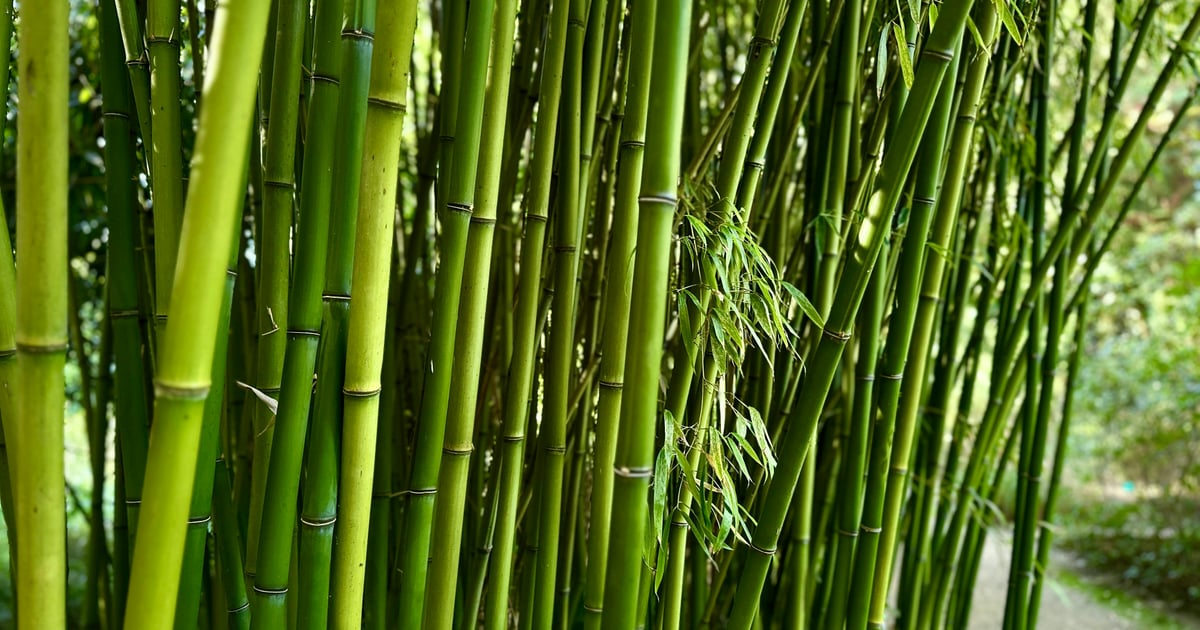
The raw material is wood pulp. Most commonly eucalyptus, beech, or bamboo, though pine and other fast-growing species are also used. Unlike cotton (which is a natural cellulose fiber harvested directly from the cotton plant) or polyester (which is entirely synthetic, made from petroleum), lyocell is natural cellulose that has been chemically processed into a continuous filament fiber.
The process is what matters. The wood pulp is dissolved in a non-toxic organic solvent called N-methylmorpholine N-oxide (NMMO), then extruded through spinnerets into a fiber. The solvent is recovered and recycled in a closed loop — this is the key environmental claim. Lenzing, the primary manufacturer, reports that over 99% of the solvent is recovered and reused. Compared to viscose rayon (a similar cellulose fiber made with carbon disulfide, which is toxic and poorly contained in most supply chains), lyocell is dramatically cleaner to produce.
The output is a smooth, strong fiber. Lyocell filaments are longer and more uniform than cotton fibers, which gives the finished fabric a silky hand, a subtle sheen, and better drape than most cellulose fibers. It absorbs moisture more effectively than polyester but releases it faster than cotton. It is stronger when wet than rayon or cotton — a key durability advantage.
Tencel is a brand, not a different fabric. Tencel is Lenzing’s trademarked name for their lyocell (and, in some product lines, modal). When you see “Tencel Lyocell” on a label, it is lyocell specifically from Lenzing. When you see “lyocell” without the brand, it may be from another manufacturer — quality can vary.
For broader fabric context, see our travel fabrics 101 overview.
How Lyocell Performs
Here is what lyocell actually does, in the categories travelers care about.
Moisture management
Lyocell absorbs significantly more moisture than polyester — up to 50% more, according to Lenzing’s published data. This is because the fiber has a microscopically rougher surface than polyester and absorbs water into the fiber itself rather than trapping it between fibers. The practical effect: lyocell feels cool and dry against the skin even when you are sweating.
But lyocell does not dry as fast as true performance synthetics. A lyocell button-down washed in a hotel sink takes roughly 6 to 10 hours to dry at room temperature, versus 3 to 5 hours for a comparable polyester piece and 4 to 6 hours for merino wool. In humid climates, this stretches further.
Temperature regulation
Lyocell runs cooler than both merino and cotton. It has no insulating loft — the fibers pack smooth and flat — so it breathes well in hot weather. In cold weather it provides no meaningful warmth, which means it is always a summer or warm-shoulder-season fabric on its own, and a base layer rather than an insulator in cold.
Odor resistance
This is where lyocell clearly loses to merino. Merino’s natural odor resistance comes from wool’s ability to absorb and isolate odor compounds within the fiber structure. Lyocell has some mild antimicrobial properties — research on certain lyocell formulations suggests modest bacterial resistance — but in real-world wear, a lyocell tee starts smelling by the end of a warm-weather day. A merino tee can go two to three days.
For a full comparison of merino’s odor profile, see our merino wool vs synthetic guide.
Wrinkle behavior
Lyocell wrinkles more than polyester and less than cotton. It holds a crease about like a cotton-polyester blend. The drape is better than either pure cotton or pure polyester — lyocell pieces tend to hang cleanly rather than looking crumpled — which masks mild wrinkling visually. Deep creases from packed storage do take a while to hang out.
Durability
Lyocell is strong, especially when wet. It survives washing cycles well and resists pilling better than most natural fibers. A well-made lyocell garment outlasts most cotton equivalents. The main durability concern is pulling and snagging — lyocell can pick threads from rough surfaces more easily than tightly-woven polyester.
Hand and drape
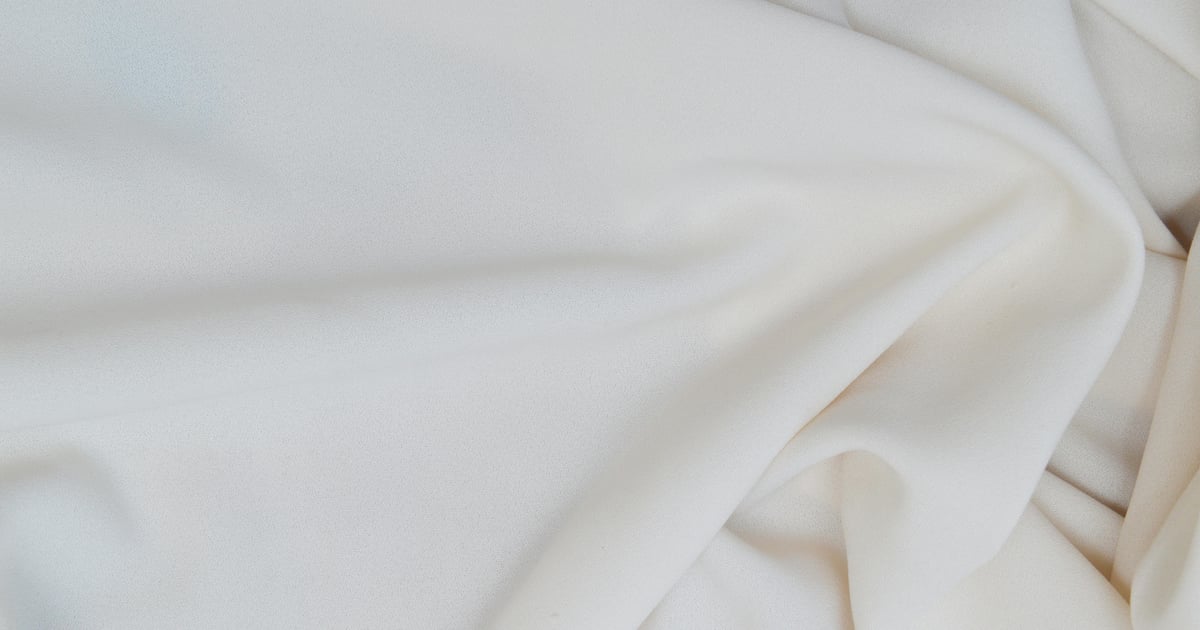
This is where lyocell shines. It has a silky, cool hand that feels closer to silk than to cotton. The drape is excellent — lyocell dresses, shirts, and loose pants fall in a way that reads as refined rather than casual. It takes dye beautifully and holds color well.
Lyocell vs Merino Wool
This is the comparison that matters most for travel clothing. Merino and lyocell share a lot of territory — both are natural-fiber-based, both are marketed as breathable and sustainable, both show up on performance travel labels. But they are not interchangeable.
Where lyocell wins
- Temperature in hot weather. Lyocell breathes better than merino in the 80°F+ range. A merino tee can feel warm and slightly scratchy in tropical humidity; a lyocell tee stays cool.
- Drape and visual polish. Lyocell reads as dressier. A lyocell button-down looks more refined than a merino equivalent, which often has a slightly knitted or casual appearance.
- Cost. Quality lyocell pieces run roughly 30 to 50% cheaper than comparable merino pieces. A good lyocell tee is $40 to $60; a comparable merino tee is $70 to $100.
- Absence of wool allergies. Some travelers cannot wear wool against skin. Lyocell fills that gap at a similar performance level in warm weather.
Where merino wins
- Odor resistance. Merino handles multi-day wear far better. This is the single biggest practical difference for travelers who want to minimize laundry.
- Temperature regulation across a range. Merino works from the 40s to the 80s; lyocell is really a warm-weather fabric.
- Warmth when wet. Merino insulates even when damp from sweat. Lyocell does not insulate meaningfully in any condition.
- Wrinkle resistance. Merino recovers from packing creases faster than lyocell.
The practical implication
For a one-bag capsule wardrobe where odor resistance and temperature range matter most, merino is the default choice. For hot-weather travel where odor is less of an issue (you will be showering and changing daily anyway), lyocell is a lighter, cooler, better-draping alternative at a lower price. For a full breakdown of the odor-resistance advantage, see why merino wool for travel.
Lyocell vs Cotton
This comparison is much more lopsided. Lyocell beats cotton across almost every metric that matters for travel.
Drying time. Cotton takes roughly twice as long to dry as lyocell. A cotton tee washed in a hotel sink on a humid evening may still be damp in the morning. A lyocell tee is typically dry by breakfast.
Weight when wet. Cotton holds an enormous amount of water — up to 25 times its dry weight. Lyocell holds about half that. If you get caught in the rain, a cotton shirt becomes heavy and takes hours to stop feeling cold. Lyocell dries faster and stays lighter.
Wrinkle resistance. Cotton creases hard and holds creases stubbornly. Lyocell creases less and recovers faster.
Temperature. Both are breathable, but lyocell feels cooler on skin because of its smoother fiber surface and better moisture wicking.
Durability. Lyocell is stronger when wet and resists pilling better. Cotton shirts lose structural integrity faster with repeated washing.
The only categories where cotton clearly wins are price (at the lowest end — a basic cotton tee from a big-box store is cheaper than even budget lyocell) and the specific feel of broken-in natural cotton for people who prefer it. For travel, lyocell is a straightforward upgrade. This is also why we consistently recommend travelers replace their cotton travel tees — see our what not to pack guide for more on this.
Blends With Merino and Linen
Pure lyocell is less common in travel clothing than lyocell blends. The blends are often where the fabric shines brightest.
Lyocell-merino blends
A 50/50 or 60/40 merino-lyocell blend captures most of merino’s odor resistance while improving drape and reducing cost. The blend feels cooler and less “wooly” than pure merino, which helps in warm weather or for travelers sensitive to wool texture. Some premium merino brands use lyocell as the blend partner for warm-weather pieces.
Expect odor performance about 70 to 80% as good as pure merino, with noticeably better drape and faster drying. For the warm end of shoulder-season travel, lyocell-merino blends may actually outperform pure merino.
Lyocell-linen blends
This is a surprisingly excellent travel fabric. Linen on its own is beautiful, cool, and wrinkles catastrophically. Adding lyocell (typically 40 to 60%) smooths the fabric, reduces wrinkling, and improves drying time. The hand is cooler than pure linen, with better drape.
Lyocell-linen blends are especially common in summer travel dresses, women’s button-downs, and men’s camp shirts. In climates like the Mediterranean, Southeast Asia, or the American Southwest in summer, these blends outperform almost everything else.
Lyocell-cotton blends
More common in mainstream clothing than in dedicated travel wear. The blend improves cotton’s drying time and wrinkle behavior but gives up some of lyocell’s drape benefits. Acceptable for basic travel tees at a moderate price point, but not transformative.
Lyocell-polyester blends
Sometimes seen in performance travel shirts. The lyocell adds softness and drape to polyester’s quick-dry properties. Can be a good compromise fabric — better breathability than pure polyester, better drying than pure lyocell — but lacks the standout feel of pure lyocell or the temperature-regulation of merino.
Where Lyocell Shines in a Travel Wardrobe
Based on years of testing, these are the categories where lyocell is the right choice.
Travel dresses
This is lyocell’s strongest category. Lyocell (often in a blend with linen or rayon) drapes beautifully on dresses, keeps you cool in warm weather, resists wrinkles better than cotton alternatives, and reads as dressy enough for restaurants. Many of the best warm-weather travel dresses on the market are lyocell or lyocell-blend. See our best travel dresses roundup for specific examples.
Button-down shirts for hot climates
For travel to Southeast Asia, the Caribbean, Central America, or Mediterranean summer, a lyocell or lyocell-linen button-down is often the best choice. It breathes better than cotton, drapes better than synthetic performance shirts, and survives sink-washing without complaint. It is not the right choice for multi-day wear without washing — merino still wins there — but for climates where you will be changing daily anyway, lyocell is superb.
Warm-weather tees (in lyocell-merino blends)
Pure lyocell tees lose the odor-resistance advantage that makes merino so useful for travel. But lyocell-merino blends (40 to 60% merino) retain most of the odor resistance while improving drape and reducing warmth. For hot-climate travel, these blends can outperform pure merino.
Loose warm-weather pants
Wide-leg lyocell or lyocell-blend pants are excellent for hot-climate travel. They drape cleanly, breathe well, and do not wrinkle catastrophically during flights. Linen-lyocell blends are particularly strong here.
Lightweight travel scarves and wraps
Lyocell makes outstanding lightweight wraps and scarves. Soft, drapes well, dyes brightly, and packs flat. A lyocell wrap serves as an airplane blanket, a modesty covering for religious sites, and a style accent — see dressing for religious sites for more on the use case.
Where Lyocell Falls Short
Conversely, here is where lyocell is the wrong choice.
Multi-day wear without washing
If you are building a wardrobe to minimize laundry, merino beats lyocell easily. A merino tee can handle two to three days between washes; a lyocell tee is typically a one-day piece in warm weather.
Cold-weather layering
Lyocell provides essentially no warmth. For base layers in cold climates, merino wool or synthetic thermal fabrics both work better. Lyocell is a warm-weather fabric first and foremost.
Heavy activity
Lyocell absorbs moisture well but releases it slowly. If you are hiking hard, running, or sweating heavily, pure lyocell stays damp longer than performance synthetics. Polyester or merino-poly blends handle high-output days better.
Socks and underwear
Lyocell shows up occasionally in sock and underwear blends but rarely shines in either. Merino or merino-synthetic blends remain the standard for travel socks and underwear. See our best travel socks and travel underwear for men roundups for comparisons.
The Sustainability Claim
Lyocell is marketed aggressively as a sustainable alternative to cotton and polyester, and the claim is largely valid.
Water use. Lyocell production uses roughly 10 to 20 times less water per pound of fiber than conventional cotton. Eucalyptus — the most common lyocell feedstock — grows in regions that do not require irrigation. Cotton, by contrast, is among the most water-intensive crops in agriculture.
Chemical impact. The NMMO solvent used in lyocell production is non-toxic and recovered at rates above 99%. Compare to viscose rayon (similar end product, carbon disulfide solvent, poor containment) or conventional cotton (pesticide-heavy), and lyocell is dramatically cleaner.
Biodegradability. Pure lyocell is biodegradable in industrial composting conditions and most home compost setups. A pure lyocell tee will break down in soil. Polyester will not — polyester microfibers shed into waterways during washing and persist in the environment for decades.
Land use. Eucalyptus plantations for lyocell production are often monocultures and can displace biodiverse land if poorly managed. Lenzing has FSC certification for their wood sourcing, which provides some accountability.
Bottom line: lyocell is a genuinely lower-impact fabric than cotton or polyester. It is not perfect, but the marketing is honest on this front.
Pro Tips for Lyocell Care
Wash cold, always. Lyocell can shrink in hot water. Cold wash cycles preserve the fabric structure.
Skip the dryer. Hang-dry or lay flat. Dryer heat degrades lyocell faster than it does cotton.
Iron on the lyocell setting (low to medium heat). If you iron lyocell, use the synthetic setting, not the cotton setting. Too much heat scorches the fiber.
Do not bleach. Bleach weakens lyocell significantly.
Pack rolled. Lyocell wrinkles less when rolled than folded. For general packing strategy, see how to pack to minimize wrinkles and how to remove wrinkles without an iron.
FAQ
Is lyocell the same as rayon?
No, though both are cellulose fibers. Rayon (typically viscose rayon) is made with toxic solvents that are poorly recovered in most supply chains. Lyocell uses a non-toxic solvent recovered in a closed loop. The production processes are fundamentally different, even though the end fibers are both cellulose-based.
Is Tencel always lyocell?
Usually, but not always. Tencel is Lenzing’s brand name for their lyocell fiber and their modal fiber. Most Tencel in clothing is Tencel Lyocell, but Tencel Modal exists too — it is a different fiber with softer hand and slightly different performance. Check the label for specifics.
Can I machine-wash lyocell?
Yes, on cold gentle cycle. Air-dry or low-heat tumble. Avoid bleach and avoid hot water. Lyocell is more forgiving of machine washing than silk or wool but less tolerant of heat than polyester.
Is lyocell worth the price premium over cotton?
For travel clothing, yes. Lyocell’s drying time, drape, and wrinkle behavior are all significantly better than cotton’s. The price premium is moderate — typically 20 to 40% — and the performance improvement is substantial.
Does lyocell shrink?
Yes, in hot water or hot-dryer cycles. Cold wash and low-heat or air drying keeps shrinkage minimal. Pre-shrunk lyocell (standard on most quality pieces) shrinks less than 3% across its lifetime with proper care.
Is lyocell good for sensitive skin?
Generally yes. Lyocell is smooth, hypoallergenic, and lacks the scratchy texture that some cotton or wool can have. It is often recommended for travelers with wool sensitivity or for tropical climates where skin irritation from synthetic fabrics is a concern.
The Honest Verdict
Lyocell is not a replacement for merino wool in a travel wardrobe. It is a complement. For hot-weather pieces — dresses, button-downs, light pants — lyocell often outperforms both merino and cotton, with better drape, a cooler feel, and lower cost than merino. For multi-day wear, cool or cold weather, and high-output activity, merino remains the clearly superior travel fabric.
The right way to use lyocell is strategically: one or two pieces in a hot-climate wardrobe, especially in categories where drape matters (dresses, button-downs, scarves). Mixed with merino tees and performance-synthetic pants, it rounds out a travel wardrobe in ways neither merino nor cotton alone can match.
And if you have been buying cotton travel tees, replacing them with lyocell or lyocell-blend alternatives is an easy upgrade. You will notice the difference the first time you get caught in a rain shower and your shirt dries by dinner.