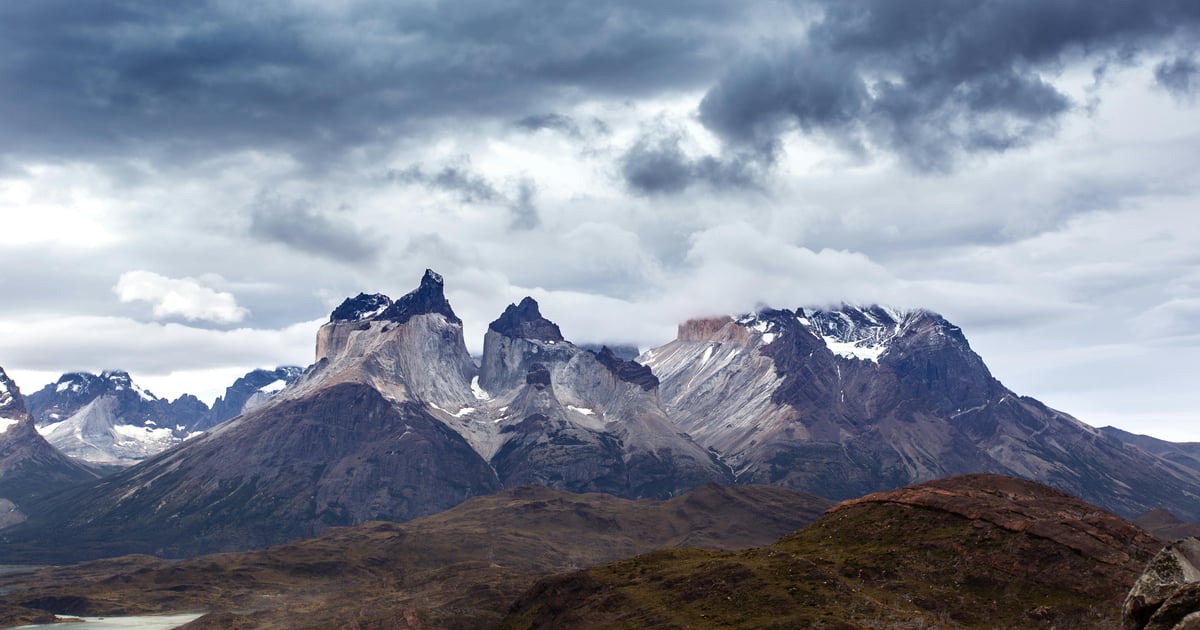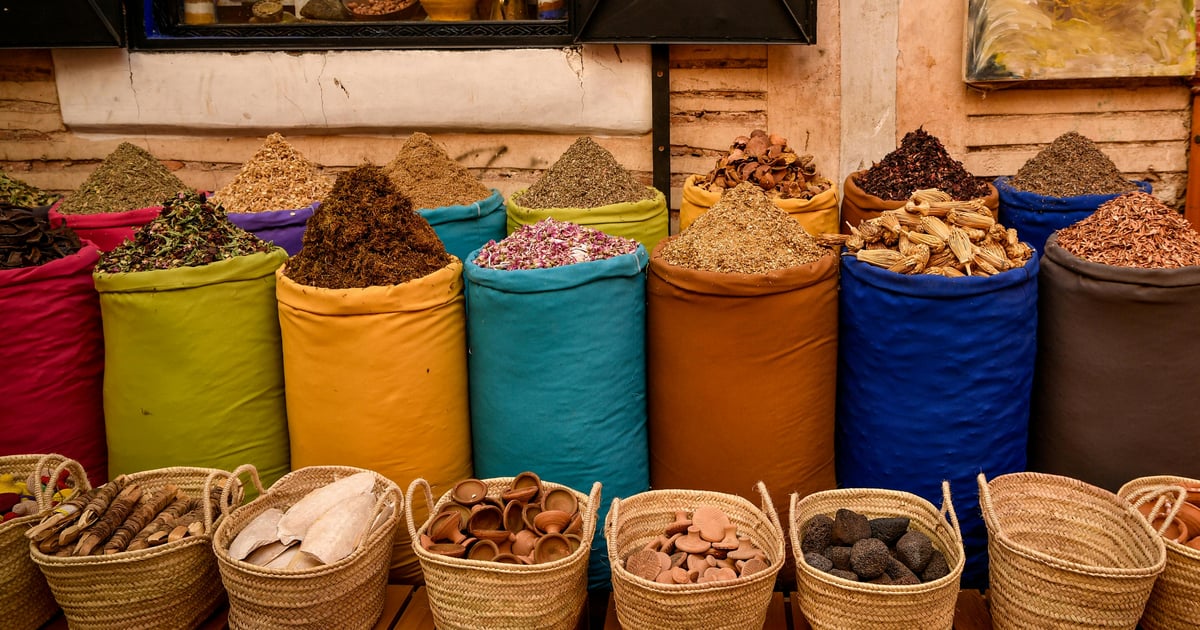
Morocco breaks most packing assumptions. The same day can start at 45°F in a riad courtyard, climb to 95°F in a Marrakech souk at noon, and plunge back toward freezing overnight in the Sahara. You will be photographed in medina alleys, wind-blasted on a camel, and expected to dress modestly at mosques and in rural villages. You might hike the Atlas foothills one morning and sweat through a hammam steam room the next. A single suitcase has to handle all of it.
This guide covers a ten-day mixed-itinerary trip — the kind most first-time visitors build — moving through Marrakech, Fez, the Atlas Mountains, and a Sahara overnight, with a rough hop through Essaouira or Chefchaouen tacked on. Most of this list also works for shorter city-only trips; scale quantities up or down but keep the layering logic.
Morocco’s climate is really three climates
The imperial cities (Marrakech, Fez, Meknes, Rabat)
Expect wide daily temperature swings year-round. Spring and fall days reach 70–85°F with mornings in the 50s. Summer bakes at 95–110°F with cool evenings. Winter brings sunny 60°F afternoons and near-freezing dawns. Rain is rare outside winter. The sun is strong, the air is dry, and shade is genuinely cold after hours of full sun.
The Atlas Mountains
Altitude changes everything. Imlil (where most Toubkal treks start) sits at 5,700 feet. Summer days are warm but evenings dip into the 40s. Winter brings snow above 6,000 feet. If you are staying in a mountain guesthouse, pack as though you are camping at altitude: warm sleep layers, insulation, and a real jacket.
The Sahara
Desert daily swing is extreme. An October afternoon in Merzouga can hit 90°F while the overnight low drops to the 40s. January overnights drop below freezing. The wind carries fine sand into everything — camera lenses, collars, eyes, hair. Dress for hot walking at midday and genuine cold at 3 a.m. when you crawl out of the tent to look at the Milky Way.
Modesty and dressing respectfully
Morocco is a Muslim country, and while the imperial cities and tourist areas are relaxed about visitor clothing, dressing modestly pays real dividends — fewer stares, easier interactions with shopkeepers, and access to mosques and religious sites that enforce dress codes. In smaller towns and the Atlas villages, modest dress is closer to expected than optional.
Practical modesty for travelers:
- Shoulders covered most of the time. Short sleeves are fine; tank tops and spaghetti straps draw attention.
- Knees covered in medinas, rural villages, and religious sites. Shorts are tolerated in Marrakech’s touristy zones and on the coast but read as out-of-place in Fez.
- No tight clothing. Not a religious rule, but loose cuts are more comfortable in the heat and attract less attention.
- Women may be more comfortable carrying a scarf to cover hair if entering a mosque or passing through a conservative neighborhood. It is not required for tourists, but it is useful to have.
For a deeper look at how dress codes work at religious sites across cultures, see our guide to dressing for religious sites.
Tops (pack 6–8)
4 short-sleeve shirts or blouses. Linen, linen-cotton blend, or merino. Avoid thin polyester — it shows sweat in the heat and traps smell in the dry air. Earth tones (rust, ochre, olive, cream) match the Moroccan color palette and read less conspicuously touristy than bright colors. A merino travel tee handles multiple wears between washes, which matters when riad laundry turnaround is slow.
2 long-sleeve shirts or lightweight button-downs. These cover shoulders for conservative areas, block sun on camel rides and desert walks, and layer under a jacket at night. Linen or lightweight cotton in light colors is the sweet spot.
1 nicer top for dinner. Rooftop restaurants, nicer riads, and fancier medina restaurants expect tidy dress. A linen button-down or a silky blouse does the job. Nothing formal required.
1 thermal base-layer top. Merino, 200-weight. This is your Sahara overnight shirt and your Atlas morning layer. Do not skip this — it is one of the most-worn items on the trip.
Bottoms (pack 3–4)
1 pair of lightweight travel pants. Loose-ish cut, neutral color, breathable fabric. You will wear these on 70% of active days — medina exploration, camel rides, village walking, and Atlas foothill hikes. Quick-dry synthetic or a nylon-blend travel pant works best; see our wrinkle-free dress pants for men and wrinkle-free dress pants for women for specific picks that double for nicer dinners.
1 pair of longer shorts or cropped pants. For hot afternoons in Marrakech or beach days in Essaouira. Knee-length is the right length — more modest than athletic shorts, more comfortable than full pants.
1 pair of dinner pants or a long skirt/dress. Something a notch nicer than your travel pants. For women, a maxi skirt or long dress is the most versatile single item for Morocco — it covers knees automatically, breathes in the heat, and photographs beautifully.
1 pair of warmer pants for Atlas and Sahara nights. Heavier travel pants, wool-blend trousers, or even a pair of lightweight joggers pull double duty for cold evenings and for layering over a base layer.
Layers (pack 3)
1 packable insulated jacket. This is non-negotiable for a Sahara overnight or Atlas stay, even in summer. A light packable down jacket compresses into its own pocket and saves you during 40°F desert nights. For a broader discussion of down and synthetic fill, see down vs synthetic insulation.
1 lightweight fleece or merino midlayer. For evenings in the cities and for layering in the mountains. A merino quarter-zip is ideal — it doubles as a warmer shirt in conservative areas.
1 packable rain jacket. Rain is rare, but dust is constant. A light shell blocks both and doubles as a windbreaker on a camel. The occasional winter downpour in coastal towns makes this more than theoretical. See our best packable rain jackets roundup.
1 large scarf or pashmina. This is the most useful single item in a Morocco bag. Shoulder cover for mosques. Head cover in sun or sandstorm. Neck warmer on camel. Pillow on a night bus. Emergency skirt wrap. Lightweight cotton, linen, or merino, roughly 70 by 30 inches.
Underwear and socks
7 pairs of quick-dry underwear. Heat, dust, and hand-wash turnaround make daily changes essential. See our best travel underwear for men and best travel underwear for women.
4 pairs of merino or synthetic socks. Mixed weight: two lightweight for hot city days, two midweight for the Atlas and cold desert nights. See our best travel socks roundup.
1 pair of warm sleep socks. For Sahara camp and Atlas guesthouses with stone floors.
Footwear
Morocco punishes the wrong shoes. Medina streets are uneven stone, often slick from water, and occasionally routed through donkey traffic. The Atlas and Sahara each demand something different. Three pairs is the minimum; four if your trip leans outdoorsy.
1 pair of supportive walking shoes or light hikers. This is your primary pair. Closed-toe, grippy sole, already broken in. Low hikers like the Merrell Moab, Salomon X Ultra, or Keen Targhee work well for everything from medina walking to Atlas day hikes.
1 pair of casual slip-ons or leather sneakers. For dinners, rooftop bars, and lighter walking days. Clean leather sneakers read as appropriate. Avoid mesh athletic shoes for evenings — they read as tourist uniform and collect medina dust.
1 pair of sport sandals (optional but useful). For hammams, beach days in Essaouira, and hot afternoons in riads. Closed-toe styles like the Keen Newport H2 are best — they handle water and protect toes in dusty streets.
Avoid: white sneakers (they will not stay white), stiletto heels (medina stones will win), flip-flops for city walking (donkey traffic is real), brand-new boots (blisters after day one).
Accessories and extras
Wide-brim sun hat. Moroccan sun is more intense than most travelers expect. A brimmed hat beats a baseball cap for neck coverage. A keffiyeh or cotton scarf wrapped Berber-style also works and looks appropriate in the desert.
Real sunglasses. Polarized, full UV protection. Dust and glare are brutal on the dunes.
Dust protection. A light buff or bandana for camel rides and windy desert days. Sand gets everywhere otherwise.
Daypack. 15–20 liters, zippered compartments, preferably with a stashable rain cover. You will carry water, layers, and camera all day.
Reusable water bottle. Tap water is not reliable for drinking; refill from sealed bottles or filtered riad sources. A 1-liter insulated bottle keeps water cool through a hot afternoon.
Compact headlamp. Sahara camp lighting is minimal. Atlas guesthouses can have limited electricity. A small headlamp earns its space.
Small first-aid kit. Rehydration salts, Imodium, blister plasters, sunscreen, lip balm with SPF. Pharmacies in Marrakech and Fez are good; villages are not.
Hammam kit. If you plan a traditional hammam, pack a pair of flip-flops, a swimsuit or disposable underwear, a small towel, and a hair tie. Most hammams provide black soap (savon beldi) and a kessa exfoliating mitt.
A suggested 10-day itinerary packing logic
Days 1–3, Marrakech. Lightweight shirts, travel pants, walking shoes, sun hat, scarf. Wear the nicer top for a rooftop dinner.
Days 4–5, Atlas Mountains. Add the base layer, midlayer, insulated jacket, warm socks, and warm pants. Swap city shoes for hikers.
Days 6–7, Sahara overnight from Merzouga. Base layer, midlayer, insulated jacket, buff, warm socks, scarf for head wrap. Long pants and long sleeves during the day to block sun and sand. The night gets cold. Every layer earns its keep.
Days 8–9, Fez. Back to city layering. Modest dress runs stricter here than Marrakech — lean toward covered shoulders and long skirts or pants.
Day 10, Casablanca or Chefchaouen. Same city wardrobe. Chefchaouen is at altitude, so evenings are cooler — pull the midlayer back out.
For more on handling itineraries that swing between climates, our multi-climate packing guide covers the layering strategy in more depth, and our hiking and city packing guide handles the mixed-use footwear logic specifically.
Pro Tips
Dust-proof the electronics
Fine Saharan dust eats camera sensors, lens barrels, and phone ports. Keep electronics in zip-top bags when not in use. Wipe lenses with a lens cloth before capping. Blow out USB ports with a can of compressed air after the desert segment.
Hand-wash on a schedule
Most riads offer laundry but turnaround is slow and pricing is per-item. Hand-wash underwear, socks, and one shirt most nights. Hang on the riad rooftop and they dry in hours. See our hand-washing while traveling guide for technique.
Pack a carabiner and a small cord
A three-foot length of paracord plus a carabiner turns into a laundry line anywhere — riad balcony, Atlas guesthouse, desert camp fence. It weighs almost nothing and solves problems constantly.
Do not overdress for the Sahara day
New visitors bundle up for the desert and then roast at noon. The standard desert outfit is light long sleeves, light long pants, a scarf over the head, and sunglasses. Save the insulation for sundown.
Leave space for shopping
Moroccan leather, ceramics, textiles, and spices are among the best buys in the world. Pack with 20–25% of your bag empty on arrival. Compression packing cubes — see our best packing cubes guide — let you squeeze more on the return leg.
What to skip
- Athleisure as daywear. Leggings and athletic tanks read as extremely out-of-place in medinas outside of specific contexts.
- Expensive jewelry. Markets are crowded; pickpocketing is real in tourist areas of Marrakech and Fez. Leave the nice watch and the visible gold at home.
- Heavy perfume. Argan oil, spice markets, and tanneries mean Morocco already smells like a lot. Heavy perfume mixes poorly with all of it.
- White everything. Between red dust, tagine splashes, and camel encounters, white clothing stays white for about three hours.
- A second full-size suitcase. Riad staircases are narrow, medina streets are unpaved, and transfers involve a lot of carrying. One carry-on-sized bag per person is the sweet spot.
FAQ
Do I need to cover my hair as a woman traveler?
Not required in tourist areas or major cities. Carry a scarf so you can cover if entering a mosque that allows non-Muslim visitors, passing through a conservative village, or if you simply want less attention in a crowded medina. Moroccan women themselves vary widely — some cover, some do not.
Can I wear shorts and tank tops in Marrakech?
You can, and plenty of tourists do, but expect more stares and harder interactions with locals. Shorts are tolerated in touristy zones like Gueliz and the major medina thoroughfares. Tank tops are more conspicuous. Shoulders and knees covered is the baseline that makes every situation easier.
How cold does the Sahara really get overnight?
In October–April, expect lows between 30°F and 50°F depending on the exact week. Peak summer overnight lows are typically 55–65°F. Wind makes all of it feel colder. A real insulated jacket and a warm base layer are the difference between a magical night and a miserable one.
Is a carry-on enough for 10 days in Morocco?
Yes, if you commit to layering and hand-washing. The packing list above fits a 40-liter carry-on with room for souvenirs. Checked bags get rough handling on the connecting domestic flights and transfers; carry-on is actually the safer choice.
What should I wear to a hammam?
Public hammams: wear disposable or old underwear you are willing to ditch, and bring flip-flops. Tourist and hotel hammams: a swimsuit is standard. Bring your own towel, a small shampoo, and a hair tie. Avoid lotions or perfumes before going — the black soap and exfoliation are the whole point.
Will my clothes come back from a Moroccan laundry service intact?
Riad laundry is generally reliable but uses hot washes and line-drying in strong sun, which can fade delicate fabrics. Hand-wash items you care about. Merino and technical fabrics are particularly worth hand-washing rather than sending out — see our merino care guide for specifics.
Final thoughts
Morocco rewards travelers who pack for range rather than for any single climate. The person who shows up with only summer clothes freezes in the Sahara; the person who shows up with only hiking gear looks out of place in a Marrakech rooftop restaurant. The ten-day list above — layered, modest, neutral in color, heavy on scarves and light on logos — handles every scenario the country throws at you and leaves room in the bag for the one rug, three ceramics, and kilogram of ras el hanout you will inevitably bring home.