Merino wool is one of the best fabrics you can pack for travel. It resists odor, regulates temperature, and feels far better against your skin than most synthetics. But it is also a natural fiber with specific care needs, and treating it the same way you treat a cotton tee or a polyester base layer is a fast path to shrinkage, pilling, and disappointment.
The good news: caring for merino is not complicated. It just requires a few adjustments to what you might consider normal laundry habits. This guide covers everything from how often to wash your merino pieces to how to store them for months between trips.
If you are still weighing whether merino is right for your travel style, start with our breakdown of merino wool vs synthetic guide or our deep dive into the case for merino wool. Already committed? Read on.
How Often Should You Wash Merino Wool?
One of merino wool’s biggest advantages is that it does not need to be washed after every wear. The fiber’s natural lanolin content and its ability to wick moisture away from the skin mean it resists bacterial odor far longer than cotton or polyester. That translates directly into less laundry on the road, which is one of the reasons merino is so popular with one-bag travelers.
Here are some practical guidelines:
- City sightseeing or office days: 3 to 5 wears before washing is typical. If you are walking around a temperate European city, you can comfortably get a full work week out of a single merino tee.
- Active days (hiking, cycling, hot weather): 1 to 3 wears. Heavy sweating accelerates the need for a wash. In tropical heat or after a strenuous hike, you may want to rinse after each wear.
- Base layers and underwear: 1 to 2 wears. Items worn directly against the skin in high-friction areas need more frequent washing regardless of fabric.
- Mid-layers (sweaters, hoodies, quarter-zips): 5 to 10 wears. These pieces pick up less sweat and body oil since they sit over a base layer.
Between washes, hang your merino garments in open air overnight. Even a few hours of airflow will refresh a piece that has absorbed light perspiration during the day. This simple habit can extend wear cycles significantly, especially during multi-week trips where laundry access is limited.
Machine Wash vs Hand Wash
Machine Washing
Despite what some people assume, most merino travel clothing is machine washable. Brands that design merino garments specifically for travel — the kind you will find in our roundup of the best merino wool t-shirts guide — engineer their fabrics to handle machine washing within certain parameters.
Machine wash settings:
- Cycle: Gentle or delicate. Avoid normal or heavy-duty cycles. The agitation is too aggressive and accelerates fiber breakdown and pilling.
- Spin speed: Low or medium. High-speed spinning stresses wet wool fibers.
- Load: Wash merino with other delicates or lightweight items. Avoid mixing with heavy items like jeans or towels that create excessive friction.
- Detergent: Use a wool-specific detergent or a mild liquid detergent. Avoid anything with bleach, enzymes, or fabric softener. Enzyme-based detergents (common in mainstream brands) break down protein fibers, and merino is a protein fiber.
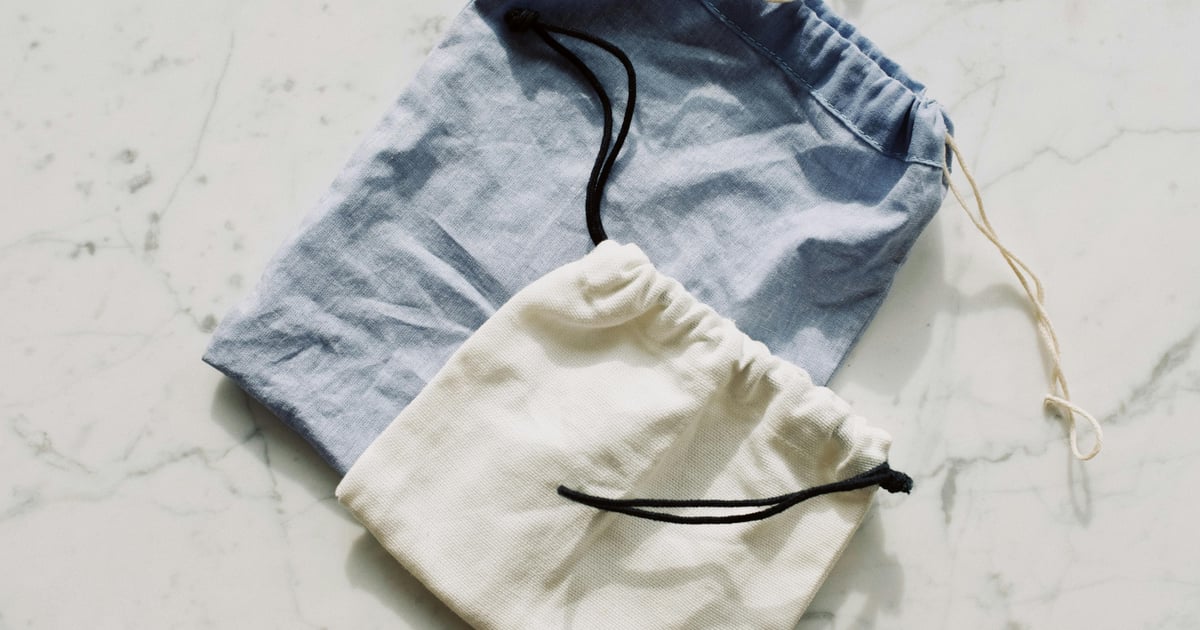
- Mesh laundry bag: Place merino items in a mesh bag before loading. This single step dramatically reduces abrasion and pilling.
Hand Washing
Hand washing is gentler on merino and is the better choice when you are dealing with particularly delicate or expensive pieces, when you are traveling and only have a hotel sink, or when the care label specifically says hand wash only.
Hand wash technique:
- Fill a basin or sink with cool to lukewarm water (no warmer than 30 degrees Celsius / 86 degrees Fahrenheit).
- Add a small amount of wool-safe detergent. A few drops of mild dish soap works in a pinch.
- Submerge the garment and gently agitate for 2 to 3 minutes. Press and squeeze rather than wringing or twisting.
- Drain the soapy water and refill with clean water at the same temperature. Rinse until no soap remains.
- Press the garment against the side of the basin to remove excess water. Never wring.
- Roll the garment in a clean towel and press to absorb remaining moisture.
For a complete walkthrough of the sink-washing process with tips specific to hotel bathrooms, see our guide on hand-washing clothes while traveling guide.
Temperature Guidelines
Temperature is where most merino care mistakes happen. Wool fibers have microscopic scales on their surface. When exposed to heat and agitation together, those scales interlock and the fabric shrinks — sometimes dramatically and irreversibly.
- Cold (below 20 degrees C / 68 degrees F): The safest option. Recommended for regular maintenance washes.
- Cool to lukewarm (20 to 30 degrees C / 68 to 86 degrees F): Safe for most merino travel garments. This range provides slightly better cleaning power for sweat and body oil without risking damage.
- Warm (30 to 40 degrees C / 86 to 104 degrees F): Risky territory. Some heavier-weight merino knits can tolerate the low end of this range, but lighter-weight travel tees and base layers may begin to shrink.
- Hot (above 40 degrees C / 104 degrees F): Do not do this. Hot water causes felting and shrinkage in merino. The damage is permanent.
The key principle: keep the water temperature consistent between wash and rinse. A sudden shift from warm wash water to cold rinse water can cause thermal shock that accelerates felting, even if neither temperature alone would be a problem.
Drying Methods
How you dry your merino matters just as much as how you wash it.
Lay Flat (Best Method)
Lay the garment on a clean, dry towel on a flat surface. Reshape it to its original dimensions while it is still damp. This prevents stretching that can happen when wet wool hangs under its own weight. Flip it once the top side feels dry.
Hang Dry (Acceptable for Lightweight Pieces)
Lightweight merino tees and base layers can be hung to dry on a wide, padded hanger or draped over a drying rack. Avoid thin wire hangers, which create shoulder bumps. For travel, draping over the back of a chair or a towel rack works well.
Tumble Dry (Use with Caution)
If you must use a dryer, use the lowest heat setting only and remove the garment while it is still slightly damp. High heat in a dryer causes the same felting and shrinkage as hot water — sometimes worse, because the tumbling action adds agitation on top of the heat.
Never use dryer sheets with merino. They leave a coating on the fibers that reduces merino’s natural moisture-wicking and odor-resistant properties.
What Happens with High Heat
Merino that has been exposed to high heat (either hot water or a hot dryer) will felt. The fabric becomes denser, stiffer, and noticeably smaller. A size large tee can shrink to a size small. Once felting has occurred, there is no way to reverse it. The garment is permanently altered.
Pilling Prevention and Removal
Why Merino Pills
Pilling occurs when short or broken fibers on the surface of the fabric tangle together into small balls. It happens with virtually all natural and blended fabrics to some degree, but merino’s fine fibers (typically 17 to 19.5 microns for travel-grade wool) are more susceptible than coarser wools.
Pilling is not a defect — it is a natural characteristic of fine wool. That said, you can significantly reduce how much it happens.
How to Minimize Pilling
- Wash inside out. This moves most of the abrasion to the interior surface, where pills are not visible.
- Use a mesh laundry bag. Reduces contact friction with other garments in the machine.
- Choose the gentle cycle. Less agitation means less fiber breakage.
- Avoid rough layers on top. Wearing a pack with rough straps directly over a merino tee creates friction. Use a base layer or adjust your pack’s straps.
- Skip fabric softener. It coats fibers and can actually increase pilling over time.
How to Remove Pills
Use a fabric shaver (also called a lint remover or pill shaver) or a fine-toothed sweater comb. Lay the garment flat on a hard surface and work gently across the pilled areas. A fabric shaver with adjustable height settings is ideal because it trims pills without cutting into the underlying knit.
Do not pull pills off by hand. You risk tugging out intact fibers and making the problem worse.
Storage
Long-Term Storage (Off-Season or Between Trips)
Proper storage prevents moth damage, mustiness, and unnecessary wear.
- Always wash before storing. Body oils, sweat residue, and food stains attract moths. Clean garments stored in a clean environment are far less vulnerable.
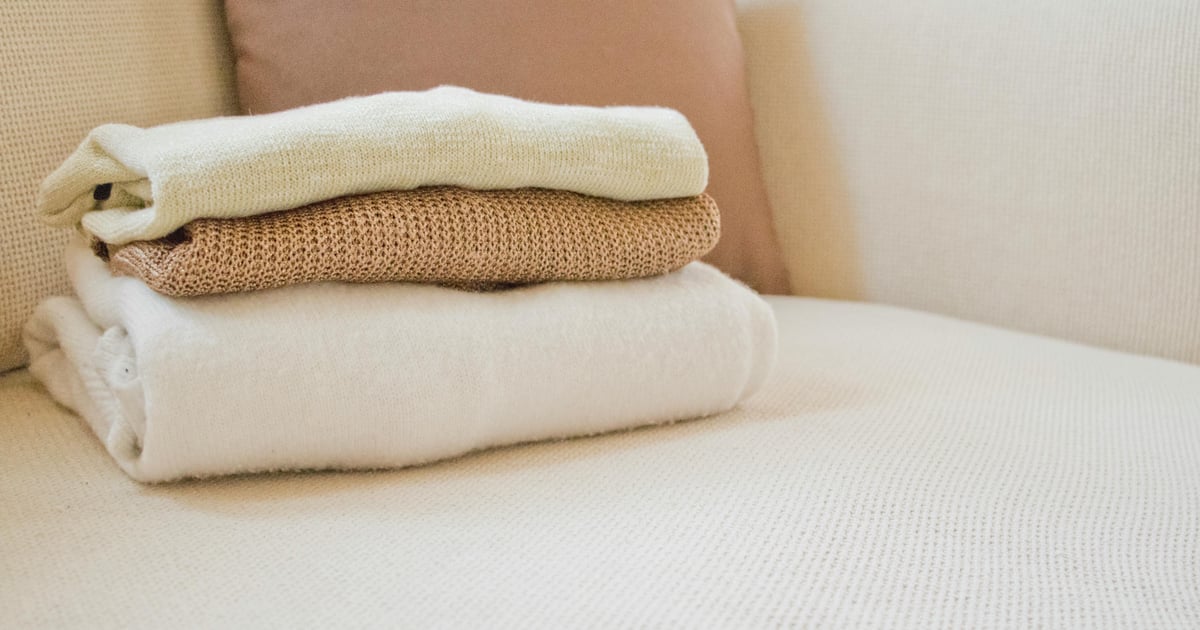
- Fold, do not hang. Merino knitwear (sweaters, heavier tees) will stretch out of shape on hangers over time. Fold neatly and store flat.
- Use cedar. Cedar blocks, rings, or sachets are a natural moth deterrent. Place them in the drawer or storage bin with your merino pieces. Replace or refresh cedar every 6 to 12 months by lightly sanding the surface.
- Avoid plastic bins for long storage. Wool needs to breathe. Use cotton storage bags, breathable garment bags, or a drawer lined with acid-free tissue paper.
- Store in a cool, dry place. Heat and humidity accelerate fiber degradation and invite pests.
Travel Storage
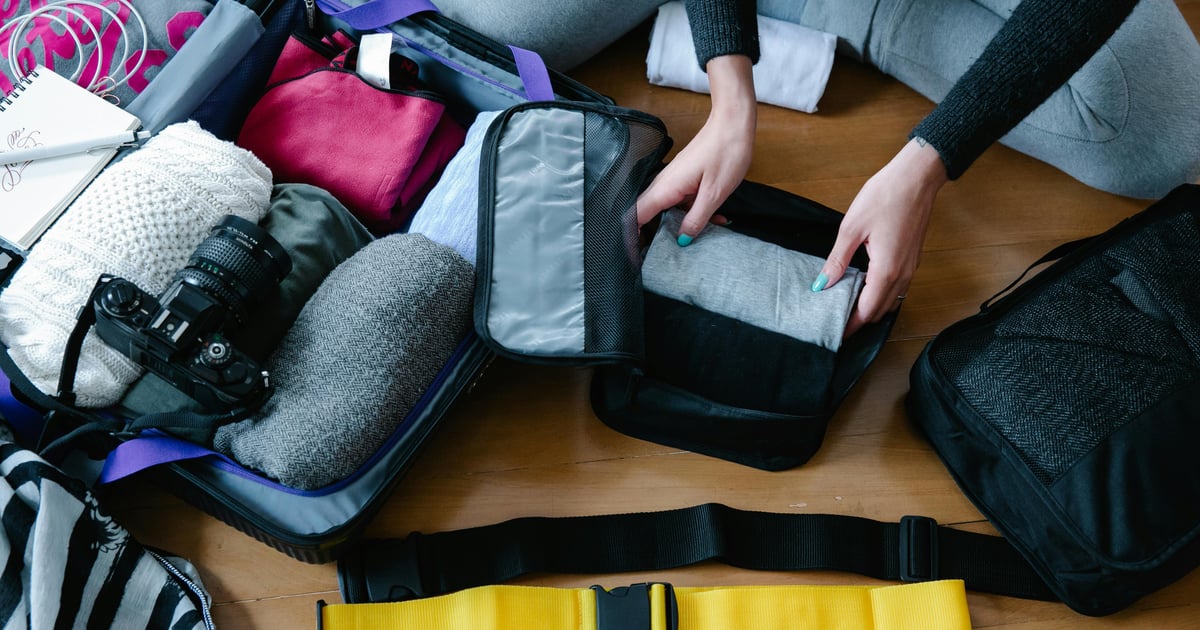
When packing merino for a trip, fold or roll garments and place them in packing cubes. Merino resists wrinkles naturally, so tight rolling is fine and saves space. If you are packing a merino piece you will not wear for several days (a mid-layer for a cold leg of a multi-climate trip, for example), a thin packing cube keeps it separated and protected.
For more on how fabrics behave during packing and transit, check out our travel fabrics guide.
Stain Treatment
Treat stains on merino as quickly as possible. The longer a stain sets, the harder it is to remove without aggressive methods that could damage the fiber.
Wine (Red or White)
Blot immediately with a clean cloth — do not rub. Apply cold water from the back of the fabric to push the stain out rather than deeper in. If the stain persists, apply a small amount of white vinegar or a wool-safe stain remover and let it sit for 15 minutes before rinsing with cold water.
Coffee and Tea
Rinse with cold water immediately. For dried coffee stains, soak the affected area in a solution of cool water and a few drops of white vinegar for 20 to 30 minutes, then wash as normal.
Sweat and Body Oil
These stains are cumulative and often invisible until they yellow or stiffen the fabric. Regular washing at the intervals described above prevents buildup. For existing yellowing, soak the garment in cool water with a tablespoon of oxygen-based bleach (not chlorine bleach) for an hour, then wash on a gentle cycle.
Sunscreen
Sunscreen is one of the toughest stains on merino because many formulas are oil-based and contain chemicals that bond with fibers. Blot off excess immediately. Apply a small amount of dish soap directly to the stain and work it in gently with your fingers. Let it sit for 10 minutes, then rinse with cool water. Repeat if needed before machine washing.
General Rule
For any stain, cold water is your first move. Hot water sets protein-based stains (sweat, food) and makes oil-based stains (sunscreen, grease) harder to lift. When in doubt, apply cold water and a tiny amount of mild detergent, then reassess.
Pro Tips
- Rotate your merino pieces. If you own two merino tees, alternating between them gives fibers time to recover their shape and reduces cumulative wear. This is especially valuable on longer trips.
- Air out before deciding to wash. Many times what seems like a garment that needs washing just needs a few hours of airflow. Hang it near an open window or in a breezy spot overnight.
- Freeze for odor emergencies. If your merino picks up a stubborn smell and you cannot wash it immediately, seal it in a plastic bag and place it in a freezer for 12 to 24 hours. This kills most odor-causing bacteria. It is not a substitute for washing, but it buys time.
- Read the care label first. Not all merino garments are created equal. Some use merino blends (merino plus nylon, merino plus polyester) that may have slightly different care requirements. The care label reflects what the manufacturer tested.
- Keep a small bottle of wool wash in your travel kit. A 100ml bottle of wool-specific detergent lasts dozens of hand washes and takes up almost no space in your toiletry bag.
FAQ
Can I use regular laundry detergent on merino wool?
You can, but it is not ideal. Standard detergents often contain enzymes (protease, in particular) that break down protein fibers over time. They may also contain brighteners and additives that coat the fibers and reduce merino’s natural performance. A wool-specific wash like Eucalan or Soak is inexpensive and lasts a long time since you use very little per wash.
How do I fix merino wool that has shrunk?
If the shrinkage is minor, you may be able to partially restore the garment by soaking it in lukewarm water with a generous amount of hair conditioner for 30 minutes. The conditioner relaxes the fibers slightly. Gently stretch the garment back toward its original dimensions while it is still wet, then lay it flat to dry. This works best for light shrinkage. Severely felted merino cannot be restored.
Is it okay to iron merino wool?
Yes, but use the wool setting on your iron (low to medium heat) and always use a pressing cloth or iron on the reverse side. Steam is generally safe and can help release wrinkles. That said, most merino travel clothing resists wrinkles well enough that ironing is rarely necessary — a light steaming or simply hanging the garment in a humid bathroom usually does the job.
How long does merino wool clothing typically last?
With proper care, quality merino travel garments last 2 to 5 years of regular use. Heavier-weight pieces (sweaters, mid-layers) tend to last longer than ultralight base layers. The biggest factors in longevity are washing technique (gentle cycle, cold water, mesh bag) and how often you wear the piece. Rotating between multiple garments extends the life of each one.
Can I dry clean merino wool?
You can, and dry cleaning is gentle on the fibers since it avoids water and agitation. However, the chemical solvents used in dry cleaning can strip natural lanolin from the wool over time, reducing its odor resistance and softness. For everyday merino travel clothing, hand washing or a gentle machine cycle is preferable. Reserve dry cleaning for structured merino pieces like blazers or dress pants where maintaining shape is critical.
Does merino wool shrink every time you wash it?
Not if you wash it correctly. Merino shrinks when exposed to the combination of heat, moisture, and agitation — the conditions that cause felting. If you stick to cold or lukewarm water, a gentle cycle, and low-heat or air drying, your merino garments will maintain their size and shape wash after wash. The risk comes from hot water, aggressive spin cycles, or high-heat drying.