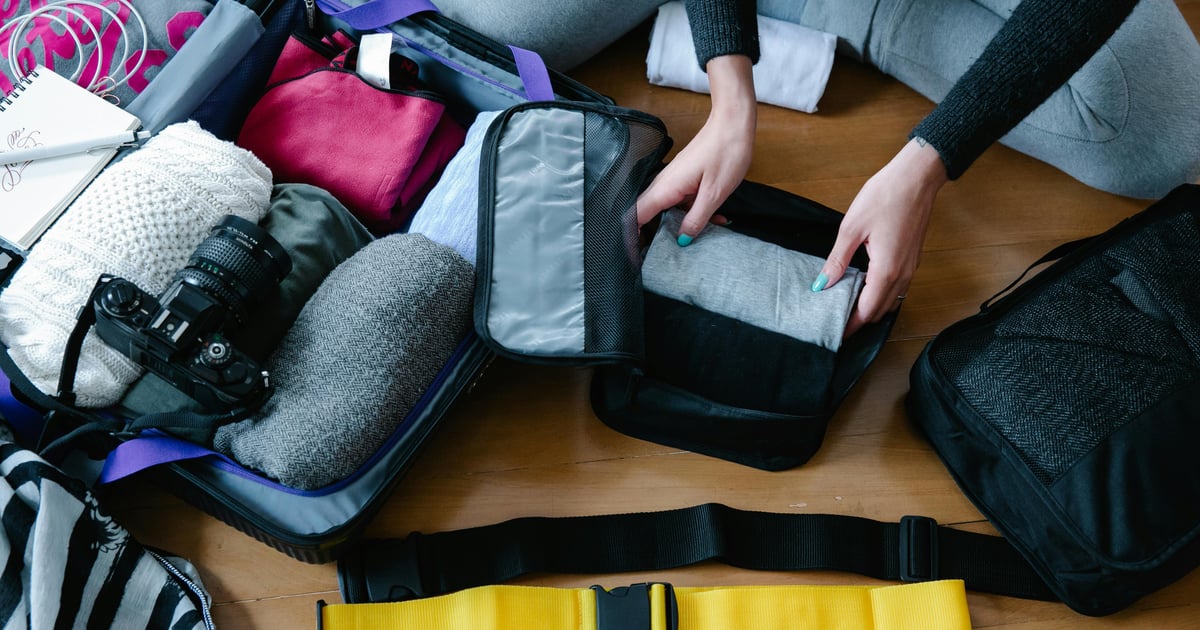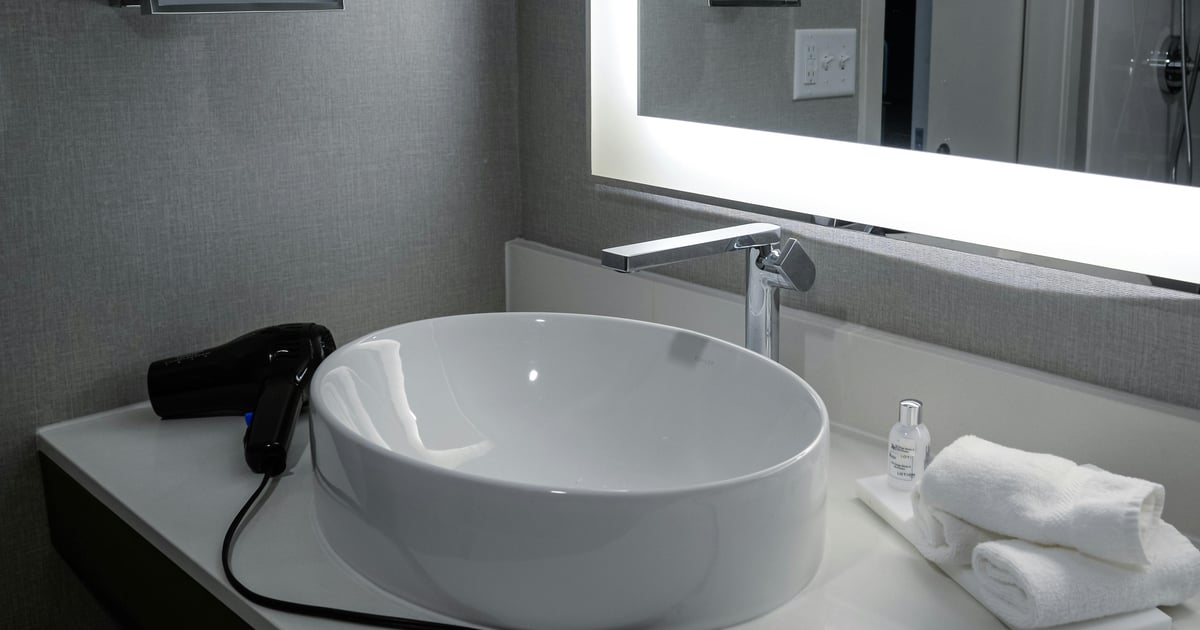
A minimal travel wardrobe only works if you wash it. That ten-piece capsule or one-bag packing list falls apart the moment you run out of clean underwear on day four and start eyeing the hotel gift shop. The solution is straightforward: learn to hand-wash in a hotel sink.
It takes about ten minutes, uses almost no water, and once you build the habit, you will never again overpack “just in case.” This guide walks through the full process — from choosing the right detergent to drying clothes overnight so they are ready by morning.
What You Need
You do not need much. A bathroom sink, a small amount of detergent, clean water, and a towel are all it takes. Here is the short list:
- A sink or basin that holds water. Most hotel sinks have a stopper or a lever that seals the drain. If yours does not, a flat rubber drain cover (weighs almost nothing) solves the problem. A large ziplock bag pressed over the drain works in a pinch.
- Detergent. More on specific options below, but bring something. Hotel bar soap leaves residue, and body wash is not formulated for fabric.
- A travel towel or the hotel’s bath towel. You will use this for the towel-roll drying technique.
- A travel clothesline or paracord. Optional but helpful, especially if you are washing more than a couple of items at once.
For a curated breakdown of detergent sheets, sink stoppers, and portable clotheslines, see our guide to the best travel laundry kits.
The Step-by-Step Process
Step 1: Fill the Sink with Cool or Lukewarm Water
Plug the drain and fill the sink about three-quarters full. Use cool water for most fabrics. Lukewarm (not hot) is acceptable for synthetics and cotton. Hot water is the enemy of merino wool — it causes the fibers to felt and shrink irreversibly.
Step 2: Add Detergent
A little goes a long way. For a single sink load (two to four lightweight garments), you need roughly a teaspoon of liquid soap, one detergent sheet, or half a Tide pod. Drop it in while the water is still running so it dissolves and distributes evenly. You should see light suds, not a foam party.
Step 3: Submerge and Soak
Place your clothes in the water and press them down so they are fully submerged. Let them soak for five to ten minutes. This is where the detergent does most of the work — it loosens oils, sweat, and grime without aggressive scrubbing.
Step 4: Agitate Gently
After soaking, gently swish each garment through the water. Focus on high-contact areas: underarms, collars, waistbands. Use a light kneading motion — press the fabric against itself, squeeze and release, repeat. Think of it as a gentle massage, not a wrestling match. Avoid twisting, wringing, or scrubbing the fabric against a hard surface.
Step 5: Drain and Rinse
Pull the stopper and let the soapy water drain. Refill with clean, cool water and swish each garment through it to rinse. Repeat the rinse if you still see suds. Soap residue left in fabric attracts dirt faster and can irritate skin, so take the extra minute to rinse thoroughly.
Step 6: Press Out Excess Water
Lift each garment out of the sink and gently press it against the side of the basin to squeeze out water. Do not wring — wringing stretches fabric, distorts seams, and damages delicate fibers. A firm, even press removes plenty of water without the damage.
Step 7: Towel-Roll Dry
Lay the garment flat on a clean towel. Roll the towel and garment together into a tight cylinder, then press down firmly along the length of the roll. The towel absorbs a surprising amount of moisture. Unroll, reposition the garment on a dry section of towel, and repeat if needed. This step alone can cut drying time in half.
Step 8: Hang to Dry
Hang the garment on a travel clothesline, a hanger on the shower rod, or draped over a chair near airflow. Shape the garment as you hang it — smooth out wrinkles, straighten seams, lay collars flat. Proper shaping now means less wrinkling later.
Fabric-Specific Notes
Not every fabric behaves the same in a sink. Choosing the right travel fabrics makes hand-washing dramatically easier. For a deep dive into fabric performance, see our travel fabrics guide guide.
Merino Wool
Merino is the gold standard for hand-washing on the road. It resists odor naturally, so you wash it less frequently than other fabrics — often every three to five wears. When you do wash, use cool water only. Merino felts in hot water, and the damage is permanent. Avoid agitating aggressively. A gentle soak and light squeeze is all it needs. Merino dries slower than synthetics but faster than cotton. For the full care breakdown, see merino wool care guide.
Synthetic (Polyester, Nylon, Spandex Blends)
Synthetics are the easiest fabrics to hand-wash. They tolerate lukewarm water, handle agitation well, and dry faster than anything else in your bag. The downside is that synthetics hold odor more stubbornly than merino. Give them a slightly longer soak and ensure your detergent fully rinses out. If a synthetic shirt still smells after washing, a 15-minute soak in water with a splash of white vinegar can help reset the fibers. For a head-to-head comparison, see merino wool vs synthetic guide.
Cotton
Cotton absorbs a lot of water and dries slowly — often 12 to 24 hours in a hotel bathroom. It is the least travel-friendly fabric for hand-washing. If you packed a cotton t-shirt, plan your wash timing carefully and use the towel-roll technique aggressively to extract as much water as possible before hanging. Lukewarm water is fine; cotton is durable and forgiving.
Linen
Linen washes easily and handles water well, but it wrinkles the moment you look at it. Wash in cool or lukewarm water, avoid wringing (which sets deep creases), and hang with some tension to keep the fabric taut as it dries. Linen dries faster than cotton but slower than synthetics.
Silk
Silk requires the most care. Use cool water only, minimal detergent, and the shortest soak time — two to three minutes is enough. Never wring or twist silk. Press gently in the towel roll and hang immediately. Silk dries quickly but water spots can form if you bunch it up while wet. If you are traveling with a silk item, consider whether it is worth the hand-washing effort or if a dryer, lighter synthetic would serve you better.
Detergent Options Ranked
You have more choices than you might think. Here is how the common options compare for travel hand-washing:
Detergent sheets (Sea to Summit Wilderness Wash strips, Travelon Laundry Soap Sheets) — The best overall option for travelers. They are flat, TSA-friendly, pre-measured, and dissolve quickly. No liquid restrictions, no mess.
Liquid travel packets (Soak Wash, Eucalan) — Effective and gentle on delicate fabrics. The downside is the liquid restriction for carry-on travel. Pack them in your toiletry bag and they work well.
Dr. Bronner’s castile soap — A versatile multi-use option. Works for hand-washing, body wash, and general cleaning. Available in small travel bottles. Rinse thoroughly — castile soap can leave a film if you rush the rinse step.
Tide pods or similar single-use pods — Convenient and effective, but bulky relative to sheets and sometimes too concentrated for a single sink load. Use half a pod for a small wash.
Hotel shampoo or bar soap — The last resort. Shampoo is formulated for hair, not fabric, and can leave residue that makes clothes feel stiff. Hotel bar soap is even worse. Use these only if you forgot your detergent and need a quick fix.
Drying Strategies
Washing is the easy part. Drying is where most travelers run into trouble.
Maximize Airflow
Hang clothes where air circulates. Near an open window is ideal. If you are stuck in a sealed hotel room, turn on the bathroom exhaust fan and leave the bathroom door open. Air conditioning helps — cool, dry air moves moisture out of fabric faster than still, humid air.
The Towel-Roll Technique (Revisited)
This step deserves emphasis because it is the single most effective thing you can do to speed up drying. A thorough towel roll removes enough water that lightweight synthetics can dry in three to four hours instead of eight. Do not skip it.
Travel Clotheslines
A bungee-style clothesline with built-in clips stretches between shower walls, door frames, or curtain rods. It keeps garments separated so air reaches all surfaces. If you wash regularly on trips, a travel clothesline is worth its negligible weight.
Outdoor Drying
If your accommodation has a balcony, terrace, or access to a sunny spot, use it. Sun and wind dry clothes faster than any indoor method. Just watch for unexpected rain and be mindful of strong winds carrying your favorite merino tee off a third-floor balcony.
Drying Time by Fabric
| Fabric | Indoor Drying (Hotel Room) | With Towel Roll + Airflow |
|---|---|---|
| Synthetic (poly/nylon) | 4-8 hours | 2-4 hours |
| Merino wool (lightweight) | 6-10 hours | 4-6 hours |
| Linen | 8-12 hours | 5-8 hours |
| Cotton | 12-24 hours | 8-14 hours |
| Silk | 2-4 hours | 1-2 hours |
These times assume a standard hotel room at moderate humidity. Tropical climates with high humidity will push times longer. Dry desert climates will shorten them.
When to Wash: Timing Your Routine
Wash in the evening. This is the single most important timing decision. Wash after dinner, hang everything before bed, and most lightweight fabrics will be dry — or nearly dry — by morning. You get a full eight to ten hours of drying time without losing any active travel time.
If you are on a fast itinerary and checking out early, wash the night before your rest day or your longest hotel stay. Avoid washing the night before a 6 AM checkout unless you are confident the fabric dries quickly.
For one-bag travelers running a minimal wardrobe, washing every two to three days keeps the rotation fresh without turning laundry into a daily chore. A one-bag packing list built around three tops and three bottoms gives you just enough runway between washes.
Common Mistakes to Avoid
Using hot water on merino wool. This is the most expensive mistake on the list. Hot water causes merino fibers to felt — they lock together, shrink, and the garment is ruined. Always use cool water for merino. If you want to understand why merino behaves this way, our best merino wool t-shirts guide guide covers fiber structure in detail.
Wringing out delicates. Twisting and wringing stretches elastic fibers, pulls seams out of alignment, and can permanently distort the shape of a garment. Press, do not wring.
Over-soaping. More soap does not mean cleaner clothes. Excess detergent is hard to rinse out, leaves residue that attracts dirt, and can make fabrics feel stiff or sticky. Use less than you think you need.
Skipping the rinse. A quick swish in soapy water is not a wash — it is a soak. The rinse step matters. Residual soap breaks down fabric faster over time and can cause skin irritation during long travel days.
Hanging clothes bunched on a single hook. Overlapping wet fabric traps moisture between layers and doubles drying time. Spread garments out. Use every available hanging surface.
Washing cotton the night before an early departure. Cotton takes a long time to dry. If you must pack a damp cotton shirt, seal it in a plastic bag to protect the rest of your clothes and hang it to finish drying at your next stop.
Pro Tips
- Bring a flat rubber sink stopper. Hotel sink stoppers are unreliable. A universal stopper weighs almost nothing and guarantees you can fill any sink.
- Rotate your heaviest-drying item first. If you are washing a mix of fabrics, start with the slowest-drying piece so it gets the maximum hang time.
- Use the shower rod, not the towel rack. Shower rods are usually longer and positioned over the tub, so dripping water is not a problem.
- Shape garments before hanging. Smooth collars, straighten hems, and pull seams into alignment while the fabric is still damp. This replaces ironing for most travel fabrics.
- Pack a second lightweight towel. A small, quick-dry travel towel dedicated to the towel-roll step means you are not using your bath towel for laundry duty.
- Wash underwear and socks daily. These are small, dry quickly, and are the items most likely to run out first. A daily micro-wash takes two minutes and keeps your rotation going indefinitely.
FAQ
How often should I hand-wash travel clothes?
It depends on the fabric. Merino wool can go three to five wears between washes thanks to its natural odor resistance. Synthetics should be washed every one to two wears, especially in warm climates where sweat accelerates bacterial growth. Underwear and socks: every day.
Can I use hotel shampoo instead of detergent?
In an emergency, yes. Shampoo will clean surface dirt and sweat. But it is formulated for hair, not fabric, and tends to leave residue that makes clothes feel stiff. It also does not rinse as cleanly as proper laundry detergent. Bring detergent sheets — they weigh almost nothing.
Will hand-washing damage my clothes over time?
Gentle hand-washing is actually easier on fabric than machine washing. There is no agitator, no spin cycle, and no friction against other garments. Many high-end merino and silk brands specifically recommend hand-washing. The key is technique: cool water, gentle agitation, no wringing.
What if my hotel sink does not have a stopper?
A flat rubber drain cover (available at most travel gear shops) is the lightweight solution. In a pinch, a plastic bag pressed over the drain works, or you can use a large ziplock bag as a wash basin itself. Some travelers carry a collapsible silicone bowl for this purpose.
How do I deal with stains while traveling?
Treat stains as quickly as possible. Blot (do not rub) the stain with cold water first. For grease or food stains, apply a small amount of detergent directly to the spot and let it sit for five minutes before washing normally. A Tide to Go pen is worth carrying for emergencies — it handles most common food and drink stains on the spot.
Is it worth hand-washing if I am only traveling for a few days?
For trips under five days, you can probably pack enough to skip hand-washing entirely. But even on shorter trips, a quick underwear and sock wash on night two or three means you could pack lighter. The real payoff comes on trips of a week or more, where hand-washing lets you carry half the clothing you would otherwise need.
The Bottom Line
Hand-washing in a hotel sink is a skill, not a chore. Once you have the routine down — fill, soak, agitate, rinse, towel-roll, hang — it takes less time than finding a laundromat and costs nothing. It is the foundation that makes minimal packing systems actually work on the road. Choose fabrics that wash easily, bring proper detergent, wash in the evening, and you will stay fresh for as long as the trip lasts.