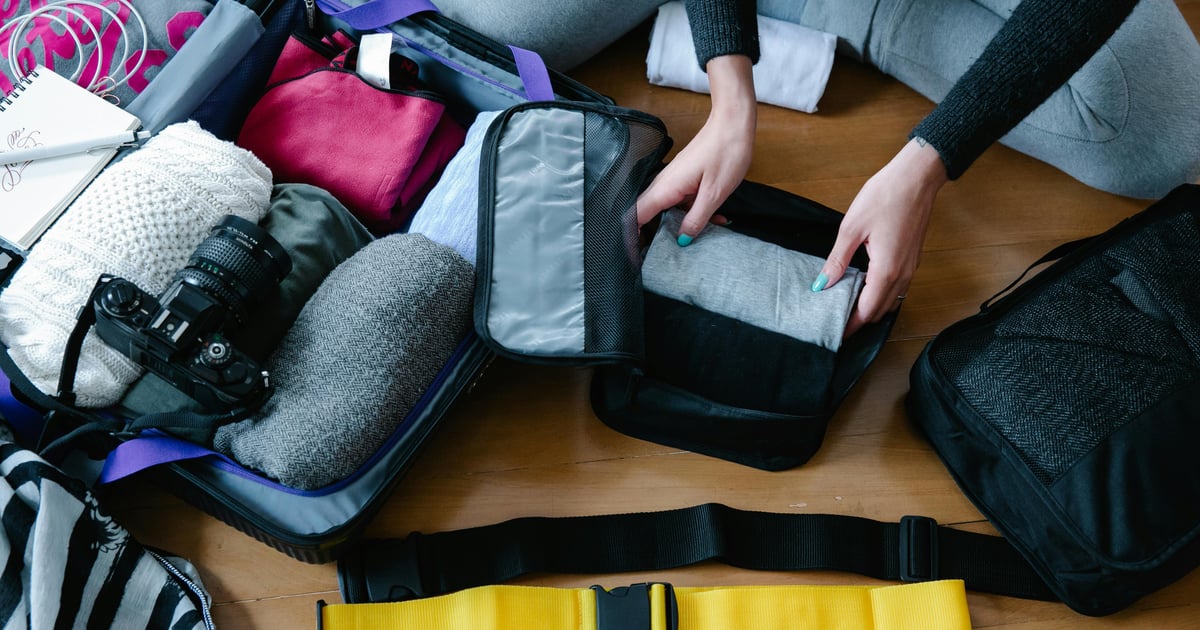
A small travel wardrobe only works if you can wash it. Pack ten days of clothing for a two-week trip and you are hauling dead weight. Pack five days and wash every third night and you travel lighter with less mental energy spent on what to wear. The missing piece is a reliable laundry setup that weighs almost nothing and fits in the corner of a packing cube.
We have tested every combination of detergent, sink stopper, and drying line over years of carry-on-only travel. Below is what survives long-term in our bags and why.
If you are new to washing clothes on the road, start with our hand-washing clothes while traveling guide for the full technique. This article focuses on the gear itself.
The Detergent Decision: Sheets vs Liquid vs Powder
Detergent choice matters more than any other piece of your travel laundry kit. Get this right and you can improvise the rest with a hotel sink and a towel.
Detergent Sheets
Detergent sheets are the most travel-friendly option by a wide margin. Flat, weightless, no liquid for TSA to inspect, and they dissolve fully in warm water.
Tru Earth Eco-Strips are the ones we reach for most. Each strip handles a full sink wash of three to four garments — tear one in half for a single item. A 32-strip pack weighs under two ounces and takes up less space than a deck of cards. They work in cold water, though warm dissolves them faster.
Sheets Laundry Club strips perform similarly at a slightly lower price per load. They are a bit thicker, which means an extra 30 seconds to dissolve in cold water, but cleaning power is comparable. Both brands rinse clean from merino and synthetic fabrics without residue.
Washes per pack: 32 strips per standard pack. A two-week trip uses 4-5 strips.
Price range: $12-16 for a 32-strip pack.
Verdict: Sheets are the default recommendation. No liquid restrictions, no mess, no weight. If you are building a one-bag packing list, sheets are the only format that makes sense.
Liquid Detergent
Dr. Bronner’s Pure-Castile Soap (unscented version) is a genuine multi-use product — it washes clothes, works as body wash, and serves as dish soap in a pinch. A few drops handles a full sink load. The downside is the TSA 3.4 oz (100 ml) liquid limit, which means either a small bottle that runs out on longer trips or sacrificing space in your liquids bag.
Soak Wash is a no-rinse liquid designed for delicates and wool. Add a capful, soak for 15 minutes, squeeze out the water, and skip rinsing. This is useful for merino wool care guide because less agitation means less pilling. In practice, we still give a quick rinse — leaving soap residue in fabric worn against skin in hot climates causes irritation.
Washes per bottle: A 3 oz travel bottle of Dr. Bronner’s handles roughly 15-20 sink loads. Soak is slightly more concentrated, getting 20-25 washes from the same volume.
Price range: $4-8 for a travel-size bottle.
TSA note: Liquids must go in your quart-sized bag and cannot exceed 3.4 oz per container. This is fine for trips under two weeks but becomes a real limitation on extended travel. If you check a bag, this is a non-issue.
Powder Detergent
Tide To Go packets (the powdered sink packs, not the stain pen) dissolve quickly and clean well. Each packet is pre-measured for a single sink wash. The downside is bulk — ten packets take up more space than 32 detergent sheets, and the packets resist compression in a packed bag. They are also messier to open with wet hands.
Washes per pack: One wash per packet. Sold in packs of 3 or 6.
Price range: $5-8 for a 3-pack.
Verdict: Powder works but is hard to justify when sheets exist. The main advantage is availability — Tide sink packs are easier to find at a drugstore when you forgot to pack detergent.
Sink Stoppers
Most hotel sinks do not hold water. The drain lever is broken, missing, or leaks steadily. A flat universal stopper solves this permanently.
Universal flat stoppers are thin silicone discs that fit over virtually any drain. They create a seal through suction against the basin. Look for food-grade silicone, about 6 inches in diameter — they weigh under an ounce, pack completely flat, and cost $3-5. The most underrated piece of travel gear we recommend.
The Scrubba stopper is a smaller version included with Scrubba wash bags. It works well but offers no advantage over a generic silicone disc. If you already own a Scrubba bag, use the included stopper. Otherwise, save the money.
Test any stopper in your home sink before you leave. If the silicone is too stiff or the basin texture is unusual, you will find out at home instead of at midnight in a hotel.
Portable Clotheslines
After washing, you need somewhere to dry. Draping wet clothes over furniture in a closed room leads to musty results.
Sea to Summit Lite Line is a braided elastic clothesline that requires no clothespins — you twist fabric between the braids to hold it. It stretches between shower rods, door handles, or curtain hooks using small hooks on each end. About an ounce, packs to the size of a golf ball, and costs $8-10. This is the one in every kit we pack.
Lewis N Clark Adjustable Clothesline uses the same twist-and-hold design with slightly heavier-duty hooks and a few extra inches of length. In practice, the two perform identically.
Both hold three to four garments comfortably. For larger loads, string the line in the shower and use the shower rod for overflow. Position items in the airflow path of the room’s air conditioning — a merino tee dries overnight in moderate humidity, and synthetics dry faster still. For more on which fabrics dry quickest, see our travel fabrics guide.
The Premium Option: Scrubba Wash Bag
The Scrubba is a dry bag with a built-in internal washboard texture. Add clothes, water, and detergent, seal the bag, deflate the air, and knead for three to six minutes. The internal ridges agitate fabric more effectively than hand-kneading in a sink.
Weight: 5 oz (145 g). Pack size: Thick paperback. Price: $52-55.
Does it work? Yes. The Scrubba gets clothes cleaner than a sink wash with less effort, and the sealed bag means you can wash on a hostel bunk or a campsite without needing a sink. It doubles as a dry bag when not in use.
The catch: At $52 and 5 oz, it is the heaviest and most expensive option here. A stopper, detergent sheets, and clothesline weigh two ounces combined and cost under $25. The Scrubba makes sense for extended trips (three weeks or more) or anyone who dislikes the hand-washing clothes while traveling guide enough to pay for a better tool. For shorter trips, it is a luxury rather than a necessity.
Our Recommended Kit
For most carry-on travelers, this is what we suggest:
| Item | Weight | Pack Size | Price |
|---|---|---|---|
| Detergent sheets (32 pack) | 2 oz | Deck of cards | $12-16 |
| Universal flat stopper | 1 oz | Flat, negligible | $3-5 |
| Sea to Summit Lite Line | 1 oz | Golf ball | $8-10 |
| Total | 4 oz | Fits in a sock | $23-31 |
Four ounces. Under $30. Fits inside a sock you are already packing. That is the difference between needing ten days of clothing and needing five — which can mean the difference between a checked bag and a best packing cubes guide.
Pro Tips
-
Wash before you need to, not after. If you wait until everything is dirty, you are wearing your last clean outfit while everything else dries. Wash on day three of a five-day rotation so you always have a clean buffer.
-
Wring with a towel. Lay the garment flat on a hotel towel, roll tightly, and step on it. This removes far more water than wringing by hand and cuts drying time in half.
-
Use warm water for washing, cold for rinsing. Warm water dissolves detergent faster and releases odors more effectively. Cold rinse water helps fibers contract back to shape.
-
Point the AC vent at your clothesline. Moving air dries clothes, not heat. Positioning items in the airflow path cuts drying time from overnight to four or five hours.
-
Pack a Ziploc for damp items on departure day. If you wash the night before an early flight and clothes are still damp, seal them in a gallon Ziploc and hang them at your next stop. Do not pack damp clothes loose in your bag.
FAQ
Do detergent sheets clean as well as liquid detergent?
For lightly soiled travel clothing — worn once or twice, no heavy stains — sheets clean comparably to liquid. They are less effective on heavy stains, but travel laundry is maintenance washing, not deep cleaning. For everyday use, sheets are more than adequate.
Can I bring liquid detergent in carry-on luggage?
Yes, as long as the container is 3.4 oz (100 ml) or less and fits in your quart-sized liquids bag. Dr. Bronner’s and Soak both come in compliant travel sizes. Detergent sheets avoid the liquid restriction entirely, which is why we default to recommending them.
How often should I wash clothes while traveling?
Every two to three days for a five-day wardrobe rotation. Merino wool can go three to five days thanks to natural odor resistance. Synthetics need washing after one to two wears in warm climates. See our merino wool care guide for specific guidance.
Will hotel sinks get damaged by using detergent in them?
No. Travel detergents are gentle enough for delicate fabrics, so they are certainly safe for porcelain and steel basins. Use a universal stopper rather than forcing a washcloth into the drain, and rinse the sink after draining.
Is the Scrubba wash bag worth the price?
For trips under two weeks with good hotel access, probably not. A sink, stopper, and detergent sheets do the job for a quarter of the price. The Scrubba earns its place on extended trips, in hostel or camping environments where sinks are shared or unavailable, or if you already pack a dry bag it can replace.
What is the best detergent for merino wool?
Detergent sheets and Soak are both safe for merino. Avoid anything with bleach, fabric softener, or optical brighteners — these degrade wool fibers over time. Wool-specific detergents like Eucalan work well but are not strictly necessary for routine travel washes. For the full breakdown, see our merino wool care guide.