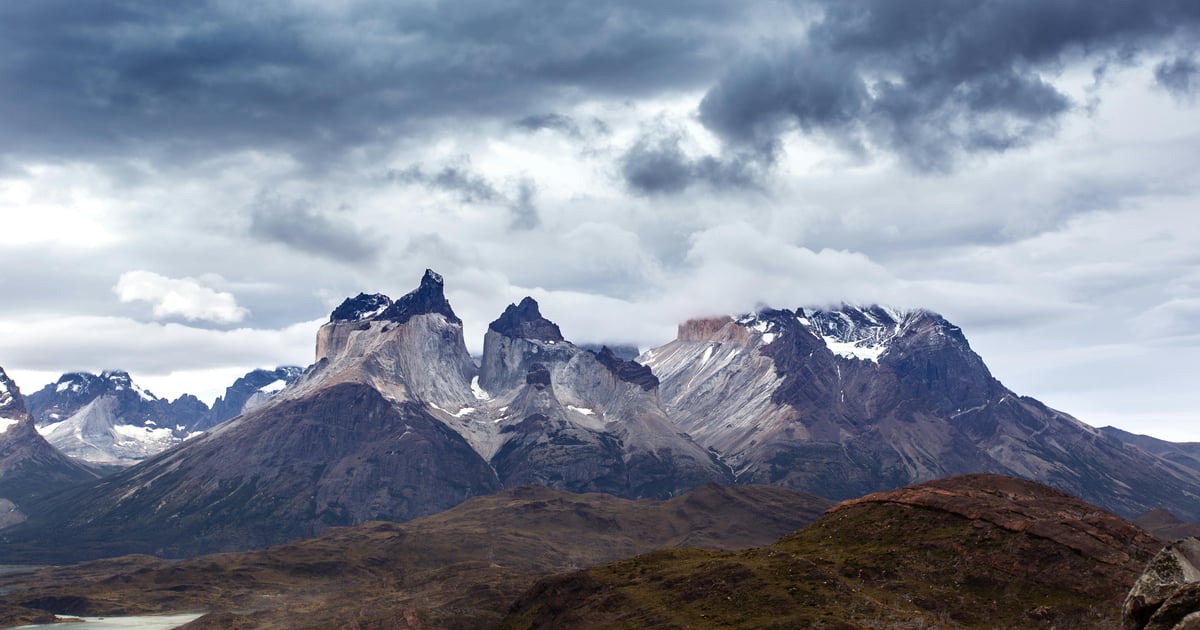
Some trips have one climate. Most of the interesting ones do not. Patagonia includes glacier hiking at 30°F and beach towns at 80°F in a single week. Peru drops from 70°F in Lima to 30°F at Machu Picchu to 90°F in the Amazon basin. South Africa swings between safari heat and Cape Town chill. Japan in shoulder season includes cool mountain ryokans and humid Tokyo afternoons. India’s Rajasthan rolls from desert heat to temple-visit modesty to overnight train cold. Costa Rica packs cloud forests at 55°F and Pacific beaches at 90°F into a country smaller than West Virginia. Iceland swings from glacier hikes to Reykjavik dinners with weather that changes by the hour.
Packing for these itineraries requires a different strategy than single-climate trips. The goal is one modular wardrobe that adapts to every environment, not separate wardrobes for each climate bolted together into an oversized bag.
The principle: layer, don’t multiply
The wrong approach: “I need shorts and t-shirts for the hot days plus a winter jacket and hat for the cold days plus pants and a blouse for the city days.” This leads to three wardrobes crammed into one bag, with most items unworn in most environments.
The right approach: “I need a base layer system that works in all environments, plus climate-specific additions that each handle multiple climates.” This leads to a single flexible wardrobe where most pieces are useful in most environments.
The three-layer system is the foundation. See our complete guide to layering. A midweight merino base, a light insulating mid-layer, and a waterproof shell handle temperatures from 30°F to 80°F with strategic combinations.
Tops (pack 5-7)
2-3 merino t-shirts (short-sleeve): Base layer across all environments. Wear alone in hot weather; under layers in cold. See our best merino wool t-shirts guide.
2 merino long-sleeves: Sun protection in hot environments, warmth in cold, modesty for cultural sites. One of the most versatile pieces in multi-climate packing.
1 nicer top: For city evenings, nicer dinners. Merino polo, linen button-down, or a light silk blouse.
1 UPF long-sleeve (optional, if trip includes beach/tropical): For sun protection in tropical portions.
Merino is the single most important multi-climate fabric. It regulates temperature (warm when cold, cool when hot), resists odor for 3-5 day wear, and transitions between climates without becoming climate-inappropriate. See our merino vs synthetic guide.
Bottoms (pack 2-3)
1 pair of convertible or zip-off hiking pants: The single most useful bottom for multi-climate trips. Long pants in cold weather, temple visits, mosquito protection; zip off to shorts in heat. Prana Stretch Zion, Columbia Silver Ridge, or Outdoor Research Ferrosi styles.
1 pair of travel chinos or technical dress pants: For city time, nicer dinners, and mid-range contexts. Wrinkle-resistant. See our best wrinkle-free dress pants (men) and best wrinkle-free dress pants (women) guides.
1 optional pair of shorts or leggings: If the trip is long enough or the hot-weather portion is significant.
Layers (pack 3)
This is where multi-climate packing shines.
1 midweight merino pullover or light fleece: Insulation mid-layer. Layers under a shell in cold; wears alone in cool; packed in hot.
1 packable down jacket (600-800 fill): Compact, warm, essential for any cold portion. Packs to water-bottle size. See our best packable down jackets guide.
1 waterproof/windproof rain shell: Final layer for wet or windy conditions. Used in any climate that has rain. See our best packable rain jackets guide.
Three layers + various base layer combinations = temperature coverage from 30°F to 85°F. That span covers virtually any multi-climate trip outside of arctic expeditions.
Underwear and socks
5-7 pairs of merino underwear: Adaptable to all climates. Warm in cold, breathable in heat. See our women’s and men’s travel underwear guides.
4-5 pairs of merino socks: Midweight for cold weather; work in warm weather too. Synthetic is slightly better in extreme heat but merino’s versatility wins across climates. See our best travel socks guide.
2-3 pairs of lightweight/athletic socks: For warm-weather sneaker wear.
Footwear (pack 2-3)
Choices matter more in multi-climate because each shoe must work across contexts.
1 pair of waterproof hiking shoes or boots: Primary shoe for cold/wet portions and outdoor activities. Mid-cut Gore-Tex or equivalent. Works for city walking too, though looks more outdoor.
1 pair of versatile sandals (Tevas, Chacos, or Keen): For hot-weather portions, water-ready, enough structure for walking. Works in most tropical and beach contexts.
Optional: 1 pair of clean leather-look sneakers: For city evenings and nicer dining. Only if the trip has a specific dress-up context.
For minimalist packing, boots + sandals cover most multi-climate trips. Adding a third pair (sneakers or loafers) is optional.
Accessories for multi-climate versatility
Large scarf or pashmina: The single most flexible accessory. Warmth in cold, shoulder coverage in religious sites, plane blanket, sun protection, style element. A merino or wool-blend scarf is worth the small pack volume.
Warm hat (merino beanie): Compacts tiny; essential in cold portions. Dual-duty as sleep accessory on cool nights.
Packable sun hat: For hot/sunny portions. UPF-rated wide-brim or packable baseball cap.
Gloves: Lightweight fleece or merino for cold portions. Compact.
Sunglasses: Polarized. Useful in mountain glare and tropical sun equally.
Small daypack: For daily use in any environment. Water-resistant or with rain cover.
Quick-dry travel towel: For tropical beach portions, hostel stays, rainy hike drying.
Swimwear: If the trip includes any water element (hot springs, beach, pool).
Compression packing cubes: More useful in multi-climate because puffy insulating pieces need to compress when not in use. See our best packing cubes guide.
Dry bag (5-15L): For boat excursions, rainy hikes, waterfall tours.
Universal travel adapter: If the trip crosses countries.
The modular packing formula
For a 14-day trip covering cold + hot + city:
- Days in cold environments (say 5): Full three-layer system. Base + mid + shell. Merino long-sleeves. Boots.
- Days in hot environments (say 5): Base layer only. Short-sleeves. Sandals. Convertible pants as shorts. Sun hat.
- Days in city environments (say 4): Mid-range base (long-sleeve or button-down). Travel chinos. Maybe sneakers or flats. Scarf for evenings.
Same base wardrobe produces three climate-appropriate outfits via layering and accessory swaps.
Pro Tips
Plan a “hinge outfit” for transitions
Between climates (say, mountain to city), schedule one travel day in a versatile outfit: long-sleeve merino + travel pants + sneakers. Works in both environments without dedicating itself to either. Avoids the “packing winter clothes in the summer half of the trip” problem.
Use packing cubes as climate modules
One cube for cold-weather items (down jacket, base layer bottoms, gloves, hat). Another for hot-weather items (swimwear, shorts, UPF shirts). A third for all-purpose items. On cold days, pull the cold-weather cube forward; on hot days, stow it.
Pack the heavier climate’s items, wear the lighter
On travel days between climates, wear the lighter-climate outfit (even if slightly cold at departure) and pack the heavier items for the destination. Exception: if arriving in cold at night with no time to change, wear the heavier outfit.
Merino over synthetics for max flexibility
Synthetic performs well in single climates but is climate-specific (summer polyester vs winter thermals). Merino works across climates without changing fabric. For multi-climate specifically, the merino premium pays back in reduced packing.
Rent or buy locally for climate-specific gear
Heading to Patagonia for two days of glacier hiking in the middle of a four-week South America trip? Rent crampons and heavy boots on arrival in El Calafate. Saves two weeks of carrying heavy gear for two days of use.
Keep a “climate stash” for each environment
When transitioning from cold to hot (e.g., Peru’s Machu Picchu to Lima), compress all cold-weather items into one packing cube and stow deep in the bag. They take minimal space and are not disturbed during hot-weather days.
Plan laundry strategically at climate transitions
A laundry day between climates lets you reset — wash hot-weather items before entering the cold portion, so they are dry and folded when you go back to hot. Mid-trip laundromats exist in major cities worldwide.
What to skip
- Two of everything (the point is modularity, not doubled wardrobe)
- Dedicated “cold climate” and “hot climate” outfits (use layering instead)
- Multiple coats (one packable down + one shell covers most needs)
- Regional specialty gear you won’t use (expedition parkas for a one-day glacier visit)
- Excess shoes (two pairs, max three)
- Heavy materials when light works (heavyweight wool when midweight merino suffices)
- Single-climate items that don’t transition (beach cover-up that doesn’t layer into anything else)
Example multi-climate itineraries
Peru (14 days): Lima + Sacred Valley + Machu Picchu + Amazon
- Lima (cool, mild, 60-75°F): base layer + chinos + light sweater + sneakers.
- Sacred Valley/Cusco (cool to cold, 40-70°F, altitude): all three layers + hiking boots.
- Machu Picchu (cold mornings, mild day, 35-70°F): full layers + boots.
- Amazon (hot, humid, 80-95°F): base layer only + convertible pants as shorts + sandals. UPF shirts.
One modular wardrobe; climate-specific accessories (rain gear for Amazon, warmer hat for Sacred Valley).
New Zealand (14 days): North Island + South Island
- North Island cities (mild, 55-75°F): base + chinos + light layer + sneakers.
- Glaciers, Milford Sound (cold, wet, 40-60°F): full layers + waterproof boots.
- Beaches (warm, sunny, 70-80°F): base layer + shorts + sandals.
The three-layer system handles all three.
South Africa safari + Cape Town (10 days)
- Safari (variable, 40°F dawn to 90°F midday): Base layer + convertible pants + fleece + sun hat. Layers on/off throughout day.
- Cape Town (mild, 55-70°F, wind): base + chinos + light jacket + windbreaker.
Modularity essential because safari temperatures swing 50°F in a single day.
Thailand + Nepal trek (3 weeks)
- Thailand (hot, humid, 85-95°F): base + shorts/convertibles + sandals. Cover- up for temples.
- Kathmandu (mild, 55-75°F): base + chinos + light layer + sneakers.
- Trek at altitude (cold, variable, 25-60°F): all three layers + heavier socks
- boots.
Compress trek gear in one cube during Thailand portion; expand for trekking.
FAQ
Can one bag really cover 30°F to 90°F?
Yes, with the right fabrics. Merino base layers + packable down + shell = warmth to 30°F. Same base layer alone + shorts + sandals = coolness at 90°F. The fabric versatility of merino specifically bridges extreme ranges better than single-season fabrics.
What about truly extreme cold (below 20°F) in multi-climate trips?
Single-digit cold is beyond standard three-layer packing. For Arctic winter destinations or ice-axe mountaineering, add: heavyweight down parka (not just packable), insulated winter boots, heavy mittens. These add 5-10 lbs of pack weight but are necessary. Often better to rent at destination rather than pack in a multi-climate context.
Can I share outfits between hot and cold climate portions?
Some, yes. Merino base layers work in both. Travel chinos work in both. Hiking pants (especially convertibles) work in both. The items that do not share: bulky cold insulation (down jacket, wool sweater) — for hot climates, stow in a cube.
What about dress requirements in specific cities within the trip?
City days often have dress expectations (Japanese restaurants, European formal dinners, conservative-culture temple visits). Pack one “city nice” outfit (merino pullover + travel chinos + clean sneakers) that works for most city contexts. This does not require separate packing from the rest of the modular wardrobe.
How do I keep track of what goes with what across climates?
A simple packing list organized by climate helps. For each climate portion of the trip, write out the 3-5 outfits you will wear. The overlap (same pants with different tops, etc.) becomes obvious, and you can cut duplicates.
Is multi-climate packing ever easier with two bags?
For trips with dramatically different climates separated by a gear-drop location (guide service, hotel storage), two bags can help: one active bag, one stored bag. For most travelers, one bag with modular organization is simpler and more flexible.
Final thoughts
Multi-climate packing is the test case for versatile travel dressing. It forces you to build a wardrobe where every piece earns its place across multiple contexts rather than being climate-specific. With the three-layer system as a foundation, merino as a fabric choice, and two strategic footwear picks, you can handle nearly any multi- climate itinerary in a single 35-45L bag. The secret is that the “hard cases” — Patagonia plus Bariloche, Peru plus Amazon, Japan’s mountain ryokans plus Tokyo — all use essentially the same packing formula. Once you build it for one trip, every subsequent multi-climate trip is a minor variation on the same theme.