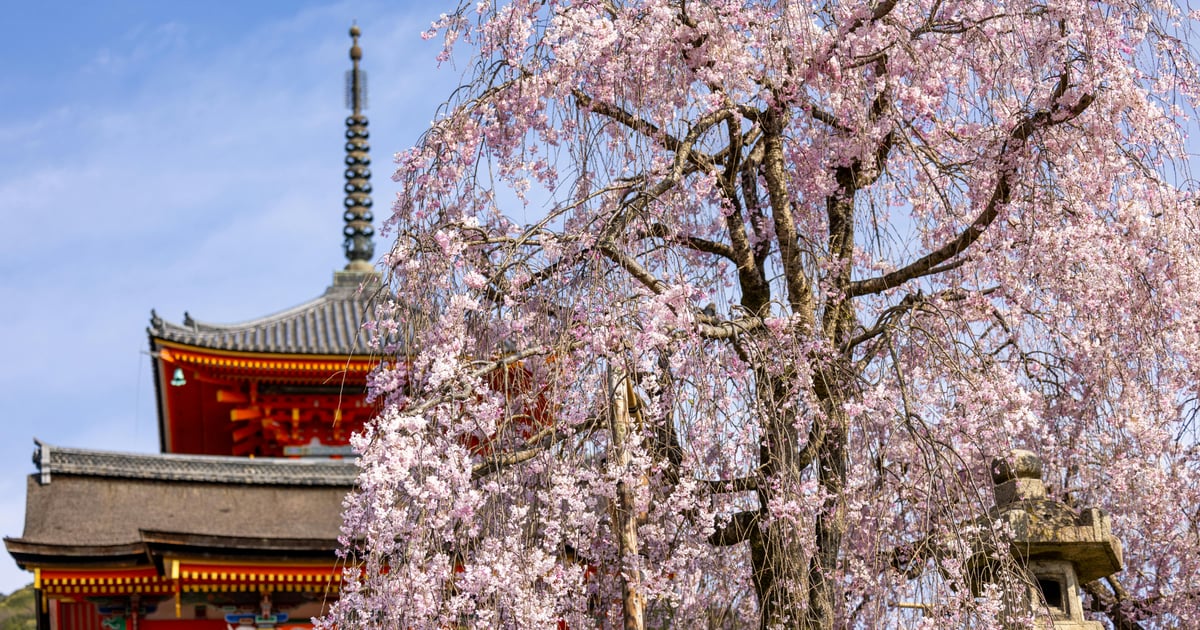
Japan in spring or fall is one of the best-weather travel windows on earth — 50-70°F most days, low humidity, manageable rain, and the kind of light that makes cherry blossoms or fall maples photograph like paintings. Packing for it, however, involves more thinking than the weather alone suggests. You will remove your shoes at temples, ryokans, some restaurants, and occasionally at fitting rooms in clothing stores. You will walk 15,000-20,000 steps a day on average. You will encounter dramatic indoor-outdoor temperature swings. You will visit an onsen that has specific etiquette about tattoos and nudity. And you will want to look presentable because Japanese urban style leans polished, and scruffy tourist wear stands out.
This guide covers two weeks in spring (March-May) or fall (September-November) across the common Tokyo-Kyoto-Osaka corridor, with notes for northern (Hokkaido) or southern (Okinawa) extensions.
Japan’s spring and fall climate
Spring (March-May): cool at the start (40-55°F) warming to mild (55-70°F) by late May. Cherry blossoms peak late March in Tokyo/Kyoto, later in Hokkaido. Rainfall is moderate but “plum rains” start in late May.
Fall (September-November): warm and humid at the start (late September still feels like summer in Tokyo — 75°F+), cooling to cool-crisp (50-65°F) by late October. Fall colors peak in November across the Kyoto-Tokyo corridor. Typhoon risk is real through late September.
Both seasons require layering. A single fall day in Kyoto can start at 45°F at dawn (for early temple visits), reach 70°F by midday, and drop back to 50°F by sunset.
Tops (pack 4-6)
1-2 merino t-shirts (short-sleeve): Base layer for warm afternoons or mid-layer under sweaters. Re-wear 3 days between washes. See our best merino wool t-shirts guide.
2 merino long-sleeves: The workhorse piece. Handles cool mornings, temple visits with shoulder-coverage needs, and layering under jackets.
1-2 nicer tops: A button-down, a silk-blend blouse, or a fitted knit — for dinners at nicer restaurants, where Japanese dining leans dressier than American casual.
1 long-sleeve button-down or cardigan: Multi-purpose. Works over a tee in cool weather, over a dress for temple visits, over pajamas in a ryokan.
Why this quantity: Merino wears 2-3 days between washes, so 4-6 tops cover two weeks with mid-trip hand-wash. Japanese laundry is cheap and fast (coin laundry near most hotels); you can machine-wash twice on a two-week trip easily.
Bottoms (pack 2-3)
1 pair of travel chinos or technical dress pants: For general walking and nicer dinners. Look for wrinkle-resistant fabric since you will sit in trains, on tatami floors, and in restaurant booths for hours. See our best wrinkle-free dress pants (men) and best wrinkle-free dress pants (women) guides.
1 pair of comfortable walking pants: Jeans or dark travel pants for long temple-walking days. Dark colors hide the dust you will pick up on shrine-path gravel.
1 pair of optional extra: Leggings (women) or lightweight joggers (men) for ryokan evenings, flight comfort, and longer transit days.
Skip: shorts. Japanese adults rarely wear shorts in cities. You will look tourist-y and feel out of place. Save shorts for Okinawa or summer trips only.
Layers (pack 2-3)
1 lightweight sweater or cardigan: Merino ideally. For cool mornings, air-conditioned trains, and dressing up the daytime wardrobe for evening.
1 packable down jacket (spring only if traveling in March, or fall if traveling late October-November): Temperatures can drop below 45°F in Kyoto’s early mornings and northern Japan. A packable down is 8-14 oz and fits in a daypack. See our best packable down jackets guide.
1 packable rain jacket: Non-negotiable. Japanese rain is frequent and sometimes sudden. See our best packable rain jackets guide.
Underwear and socks
5-7 pairs of underwear: Merino or synthetic quick-dry. Hand-wash a few pairs mid-trip at your hotel sink for a two-week trip. See our best travel underwear (men) and best travel underwear (women) guides.
4-5 pairs of merino socks: You will remove and put on shoes 5-10 times a day at temples, shrines, restaurants, and possibly ryokans. Fresh-feeling socks matter more than usual. Holes and stains are visible when you are barefoot or socked in front of hosts. See our best travel socks guide.
1 pair of nicer dress socks if you are packing dress shoes.
Footwear
1 pair of versatile walking shoes: Leather-look sneakers (Cole Haan Grand Pro, Koio, Common Projects) or clean low-profile sneakers. You will walk 100+ km in two weeks. Easy-on/easy-off matters for the constant shoe-removal.
1 pair of nicer shoes: Loafers, leather sneakers, or low boots. For dinners and urban evenings. Slip-ons are ideal for restaurant floor-seating (sunken tables) where shoes come off.
Skip: hiking boots (unless you are doing the Kumano Kodo or Nakasendo trails specifically), flip-flops (inappropriate for cities), and heels above 2 inches (cobblestone shrine paths will destroy them).
Crucial note: all your shoes should be easy to remove and put back on without sitting down. Lace-up high-top boots are the worst choice. Slip-ons, low-profile sneakers with elastic laces, or loafers are ideal.
Accessories
1 lightweight scarf or pashmina: For temple shoulder-coverage if needed (though most Japanese temples are not strict on dress), train-car AC, and cool evenings.
1 small daypack: Essential. Japanese hotels are often small, and you will want a daypack-size bag for daily carry. A packable daypack or a small laptop-style bag works.
1 reusable water bottle: Vending machines are everywhere, but refill stations exist. Temperatures above 75°F in early fall make hydration important.
1 compact umbrella: Japanese convenience store umbrellas are cheap ($5-$10) if you prefer to buy on arrival, but a compact travel umbrella in your daypack solves the frequent light showers without needing to deploy the rain jacket.
Portable charger: For long train days with navigation and camera use.
One nicer outfit piece (men: a blazer or wool sweater; women: a dress or silk top): Japanese restaurants — especially kaiseki, sushi counters, and nicer izakaya — expect tidy dress. Not formal, but not backpacker-scruffy.
Onsen and ryokan considerations
If your trip includes an onsen (hot spring bath) or ryokan (traditional inn):
Tattoos: Many onsens prohibit visible tattoos, reflecting historical associations with yakuza. Small tattoos can sometimes be covered with waterproof cover tape (bring flesh-tone athletic tape). Large tattoos may require choosing tattoo-friendly onsens, many of which are listed online (Tattoo Friendly Japan is a useful resource).
What you wear in an onsen: nothing. Swimsuits are not worn. A small towel (provided) is carried but not worn in the water.
What you wear in a ryokan: the provided yukata (cotton robe). Worn around the inn, to dinner, and as sleepwear. No packing needed for ryokan sleepwear.
What to pack for onsen/ryokan specifically:
- A small toiletry bag (ryokans provide the basics, but your preferences may vary)
- Hair tie (water temperature requires hair up for women with long hair)
- A pair of thin socks for cold ryokan hallways in spring/fall
Pro Tips
Laundry is easy — do not overpack clean socks and underwear
Nearly every Japanese neighborhood has a coin laundromat (look for “コインランドリー”). They cost 300-500 yen per wash, 100-300 yen per dryer cycle, and are open 24 hours. Washing once mid-trip is trivial. Many hotels have in-house coin laundry as well. Plan to do laundry once on a two-week trip and cut your packing volume by 30%.
Pack shoes that work with tatami floor restaurants
Floor-seating restaurants (sunken tables, tatami mats) require shoes off at the entrance. Your feet and socks will be visible and inspected by your own eyes for the entire meal. Clean socks without holes are a must. This sounds trivial but is the single biggest source of “I wish I had known” moments for first-time Japan travelers.
Avoid loud colors and logo-heavy clothing
Japanese urban style skews dark, muted, and subtle. Large logos, bright colors, and graphic tees mark you as a foreign tourist and can occasionally affect treatment in more formal restaurants. A capsule of blacks, grays, navy, and earth tones blends in and feels more appropriate.
A small hand towel is indispensable
Japanese public restrooms often do not provide paper towels or hand dryers. Japanese locals carry a small hand towel (tenugui or a small microfiber) in their bags. Pack one; buy a nicer one as a souvenir during the trip.
Pack for walking first, style second
You will walk more in Japan than in almost any other country you visit. 18-22 km per day is normal for ambitious sightseeing. Cushioned, well-fitting walking shoes matter more than aesthetic preferences. Break them in before the trip.
What to skip
- Shorts (except Okinawa or mid-summer)
- Hiking boots (unless specifically doing a long-distance walking pilgrimage)
- Bulky sweatshirts (replace with merino mid-layers that pack smaller)
- Full-size umbrella (compact travel umbrella or buy locally)
- More than two pairs of shoes
- Formal wear (Japanese dinners are “tidy casual,” not formal)
- Heavy winter coat (unless traveling December-February or to Hokkaido)
- Flip-flops (not appropriate for Japanese cities)
- Workout clothing unless you will specifically use a hotel gym
- Large backpack for cities (a small day bag works; luggage storage is widely available at stations)
Seasonal notes
Early spring (March): Still cold, especially in Kyoto’s basin. Add a thermal base layer and a warmer down jacket. Cherry blossoms peak late March-early April in Tokyo/Kyoto.
Late spring (May): Warmer, higher humidity. Lighter layers, still pack the rain jacket. Plum rains begin in late May through June.
Early fall (September): Still humid, summer-like in Tokyo. Light layers, breathable fabrics. Typhoon risk through late September; check forecasts and pack waterproof jacket.
Late fall (November): Cool and dry. Fall colors peak in Kyoto around mid-to-late November. Full layering system (base, mid, outer shell) is useful.
Winter (December-February, not covered by this guide but worth noting): Cold in Tokyo/Kyoto (30-50°F); sub-freezing in Hokkaido. Add a heavier down layer, thermal base layers, and waterproof boots.
FAQ
Do I need to pack formal clothes for upscale restaurants?
No. Even nice restaurants in Japan rarely require formal wear for visitors. “Tidy casual” is the norm — dress pants with a button-down or sweater for men, a nice top with trousers or a knee-length dress for women. Save formal wear for weddings or specific business meetings.
What about packing for temple visits?
Japanese temples (especially Buddhist and Shinto) are less strict on dress than Southeast Asian temples. Shoulders covered is a general guideline, but not strictly enforced. Shoes always come off at temple interiors — this is the bigger consideration. See our guide to dressing for religious sites.
Should I pack a swimsuit?
Only if your hotel has a swimming pool or you are heading to Okinawa or a beach destination. Onsen and sentō (public baths) are nude — no swimsuits are worn. Many travelers do not pack swimwear at all for urban Japan trips.
Is it rude to wear sneakers to dinner?
Clean leather-look sneakers (not athletic running shoes) are generally acceptable at most casual-to-mid-tier restaurants. For omakase sushi counters, kaiseki restaurants, or specific higher-end dinners, loafers or dress shoes are more appropriate. When in doubt, check the restaurant’s website for dress code notes.
How should I dress for bullet train (shinkansen) travel?
Comfortable but presentable. Japanese business travelers dominate shinkansen cabins and dress in business attire. Tourist-casual is fine but scruffy loungewear stands out. Your normal sightseeing outfit is the right choice.
What about packing for an unexpected formal event (wedding, tea ceremony)?
For tea ceremonies as a tourist, modest dress (no shorts, no tank tops, no bare knees) is sufficient. For a wedding, you will likely not be a surprise invitee; if you know in advance, formal wear is expected. Buy or rent locally if needed — Japanese department stores have excellent menswear and formal wear sections.
Final thoughts
Two weeks in Japan in spring or fall is one of the easier international trips to pack for, once you internalize three principles: layer for temperature swings, pack shoes that come on and off easily, and dress slightly more tidily than you would for equivalent travel in the US or Europe. With 12-15 pieces of clothing, one good daypack, and two pairs of shoes, you can handle Tokyo’s neon nights, Kyoto’s temple mornings, Hakone’s onsen evenings, and Osaka’s izakaya dinners without feeling underdressed or overpacked. The small courtesies of Japanese travel — removing shoes cleanly, dressing tidily, carrying a hand towel — become part of the pleasure of being there.