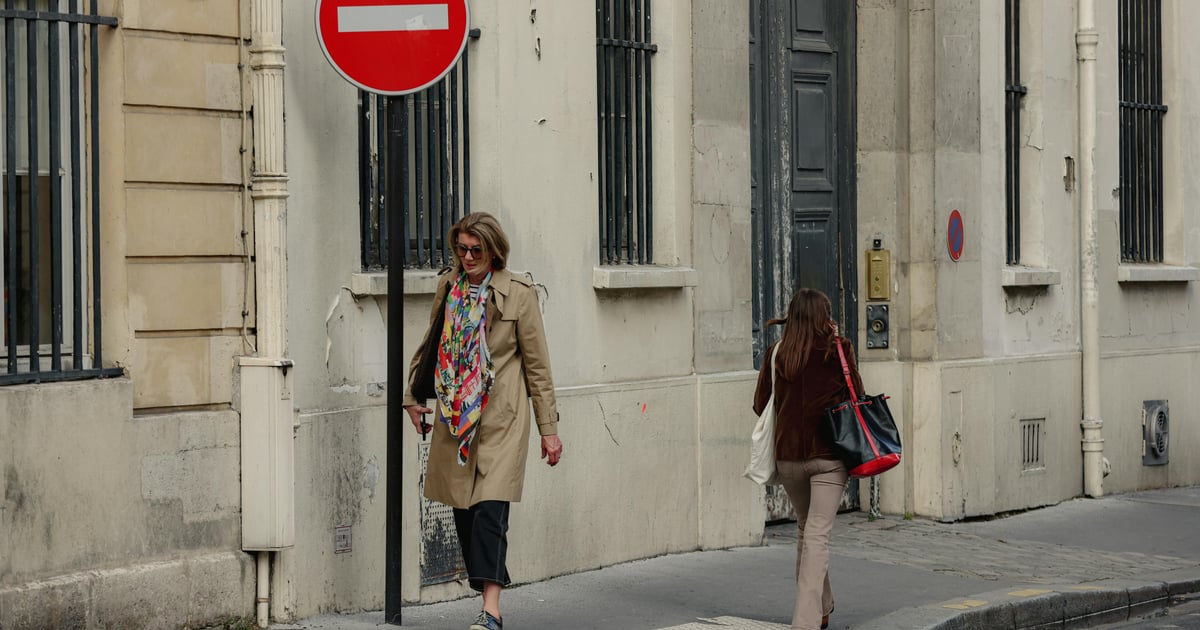
The phrase “don’t look like a tourist” is slightly wrong. Locals in most major cities can spot a visitor from the other end of a block, and no outfit choice will change that — you carry a map, you look up at buildings, you pause at menu boards. Looking like a tourist is inevitable. Looking like a bad tourist, the kind who draws the scammer’s eye and the maître d’s polite disappointment, is avoidable.
What that actually means varies by city more than most packing advice admits. A cashmere sweater that reads as polished in Paris reads as trying-too-hard in Stockholm. Dark denim that lands as “cool” in Brooklyn reads as “casual Friday at a law firm” in Seoul. The outfit that works in one capital can mark you as distinctly out-of-place two flights away. This guide works through eight cities where visitors most often get it subtly wrong, plus the things that fail universally.
For the mechanics of building a capsule that flexes across cities, our 10-piece travel wardrobe and women’s travel capsule work out the garment math. This piece is about what to actually reach for once the bag is packed.
Paris
The French reputation for being harshly judgmental about tourist dress is partly overstated and partly true. Parisians do notice clothing — not in an aggressive way, but as a low-level social fluency most people grow up with. The giveaway is not expensive clothing. It is fit, color discipline, and the specific absence of athletic wear in non-athletic contexts.
What works
- Neutrals with one accent. Black, navy, camel, cream, and grey as the base. A single accent — a colored scarf, a brick-red sweater, burgundy loafers — carries the outfit.
- Tailored over technical. A structured blazer beats a performance shell. A cotton button- down beats a quick-dry travel shirt for anything other than hiking.
- Good shoes. Leather loafers, clean white sneakers (Veja, Common Projects, Stan Smiths), or ankle boots. Never running shoes unless you are running.
- A scarf. Even in summer, a thin scarf is normal. In fall and winter, it is mandatory.
What marks you
- Branded athleisure. A Lululemon logo in a Parisian café reads as loud the way a Hawaiian shirt reads loud in a Tokyo tea shop.
- Bright colors in saturation. One bright element is fine; a neon raincoat over a printed tee is not.
- Sneakers designed for running. ASICS, Brooks, or Hokas on cobblestones say tourist from across the place.
- Shorts in the city. Parisians wear shorts to the park and the beach, not to dinner or to museums.
Tokyo
Tokyo’s dress code is the strictest on this list, and also the most forgiving if you get it approximately right. The governing principle is care — clothes that look intentionally selected, clean, and unwrinkled, in a muted palette. Athleisure is almost absent outside of gyms and athletic contexts. Loud logos read as distinctly foreign.
What works
- Monochrome or near-monochrome. Black, charcoal, navy, cream, white. Outfits built from two or three colors look correct; outfits with five colors look chaotic.
- Clean lines. Nothing fraying, wrinkled, or visibly worn. Tokyo’s standard for “presentable” is higher than most Western capitals.
- Layers with intent. A long cardigan over a tee, a structured overshirt, a tailored coat. Layering is the visual shorthand for effort.
- Minimal jewelry and accessories. A single watch or ring is plenty.
What marks you
- Athleisure worn in public. Lululemon, Athleta, or yoga pants outside a gym is almost unseen.
- Wrinkled clothing. Tokyo’s visual standard does not forgive a crumpled linen shirt the way Rome does.
- Loud graphics. Large logos, printed slogans, or graphic tees — even luxury brands with big logos read as gauche.
- Flip-flops and Birkenstocks off the beach. Open sandals in Tokyo’s business districts mark a visitor instantly.
Rome
Rome gets filed with Paris as “European fashion city,” but the rules are softer and warmer. Roman dress leans polished but not severe, with an emphasis on good footwear, good sunglasses, and a looseness that reflects the weather. The most tourist-coded mistake in Rome is specifically about shoes.
What works
- Linen and cotton in summer. Rumpled linen shirts, cotton trousers, cotton dresses. Wrinkles in linen are not a problem here.
- Quality leather footwear. Loafers, driving moccasins, low boots. Italians notice shoes first and almost nothing else.
- Sunglasses. Good ones. Not sport-performance ones.
- A light scarf, even in heat. Linen or cotton, worn loose.
What marks you
- Flip-flops in the city. This is the single biggest dress code violation visitors make in Rome. Flip-flops belong at the beach, not in the Centro Storico. Roman locals will notice.
- Athletic shoes with dress clothes. A polo and chino with running shoes is the American tourist uniform and it reads as one.
- Heavy performance fabrics. Rome in July is hot. A nylon travel shirt is out of place where a linen shirt is correct.
For guidance on Vatican and church dress specifically, see our dressing for religious sites guide.
London
London’s dress code is the most forgiving on this list, and the most layered. Weather drives the wardrobe — it will rain, be warm, be cold, and be windy in the same afternoon. Londoners solve this with versatile layered outfits that are understated rather than stylish-forward. The city’s actual look is less polished than Paris, less uniform than Tokyo, and more pragmatic than both.
What works
- Layered outfits. A tee, a button-down over it, a cardigan or overshirt, a packable shell. Locals expect to add and remove layers throughout a day.
- Dark denim and slim chinos. The default legwear across most of the city.
- Packable rain shell. A thin, non-technical-looking rain layer (think Rains or a dark Uniqlo puffer) is practical and correct.
- Clean sneakers or boots. Londoners wear sneakers in the city freely, unlike Paris or Rome — but they tend to be minimal and low-profile, not running-specific.
What marks you
- Big colorful rain ponchos. The tourist poncho is the most visible marker. A proper rain shell in black, navy, or olive costs only marginally more and reads completely differently.
- Oversized luggage on the Tube. Not a clothing point, but a dress-code-adjacent one. Carry less than you think.
- Summer shorts in the city. Londoners wear shorts in the park and to football matches, not to pubs or restaurants.
Our complete layering guide works through the mechanics of layered outfits that actually function.
New York City
New York’s dress code is more rule-bound than its reputation suggests, but the rule is simple: functional clothing in a dark palette, prioritizing purpose over peacocking. Manhattan’s default color scheme is black, charcoal, navy, and cream. Brooklyn adds more pattern and color; the Upper East Side subtracts them. In both, “dressed up” means expensive fabric in a quiet color, not bright prints or loud accessories.
What works
- Black everything. A black tee, black jeans, black sneakers, black jacket is the city’s functional uniform. You will blend.
- Purpose-first outerwear. A proper puffer in winter, a proper rain shell in spring, a proper linen layer in summer. New Yorkers walk a lot; shoes and coats get used.
- Comfortable shoes that still look intentional. New Balance 990s, Onitsuka Tigers, clean white sneakers, or ankle boots. Running shoes are fine if they are clean and plain.
- A good bag. New Yorkers carry bags, not backpacks, in most contexts. A small leather tote, a messenger, or a minimal daypack reads local.
What marks you
- Cowboy hats, character shirts, I-heart-NY gear. Obvious.
- Aggressive business-casual in tourist neighborhoods. A button-down-and-khakis in Soho on a Saturday reads as visiting-from-Ohio more than any specific garment.
- Open maps on phones in public. Not clothing, but a cue. New Yorkers check their phones at intersections, not in the middle of sidewalks.
Stockholm
The Scandinavian capital dress code is the quietest and most consistent in Europe. Stockholm’s default is minimalist, muted, and slightly more technical than the rest of the continent. Quality basics outperform statement pieces; a $200 cashmere sweater in oatmeal reads more correct than a $2000 patterned dress. The local aesthetic leans toward Arket, Acne, and Filippa K — clean lines, neutral palette, natural fibers.
What works
- Neutral palette taken to an extreme. Oatmeal, camel, grey, black, cream, rust. That is the year-round palette.
- Heavy natural fibers. Wool, cashmere, linen, cotton. Synthetics exist but in muted outdoor- brand forms (Fjällräven, Tierra) rather than athleisure.
- Minimalist sneakers or boots. Adidas Sambas, Hoka neutrals, rubber-soled boots.
- Functional outerwear without loud branding. Packable down in black or navy, a wool overcoat in cold months.
What marks you
- Bright colors and bold patterns. Stockholm in a saturated red coat will feel underdressed and overdressed at once.
- Visible American brand logos. Nike swooshes, Columbia logos, and large university-brand hoodies read foreign immediately.
- Flip-flops anywhere, ever. Even at the waterfront, Swedes wear slides or rubber-soled sandals, not flip-flops.
Seoul
Seoul’s dress code is the most fashion-forward on this list. The baseline in any of the central neighborhoods — Gangnam, Hongdae, Seongsu — is carefully assembled, trend-aware, and visibly effortful. This is the city where looking “low-key” requires the most effort; a t-shirt and jeans outfit needs to be the right t-shirt, the right jeans, and the right shoes for the combination to land as intentional rather than underdressed.
What works
- Neat, tailored pieces in trend-aware silhouettes. Oversized structured blazers, pleated wide-leg pants, slim cropped tees layered over long-sleeve layers.
- Monochrome plus one accent. Seoul’s version is more colorful than Tokyo’s but still disciplined; three colors in an outfit is the upper limit.
- Clean, current sneakers. New Balance 530s, Adidas Samba, contemporary Nike silhouettes. Running shoes read dated.
- A good bag with intent. Small, structured, not branded with a big logo.
What marks you
- Crumpled travel-casual. Seoul’s standard for “acceptable public dress” is visibly higher than Western cities.
- Loud American athleisure. Oversized Nike sweatpants read differently here than in NYC.
- Cargo shorts and fanny packs, always. More obvious markers than in any other city on this list.
Mexico City
Mexico City’s dress code surprises visitors who arrive expecting a laid-back Latin American capital. The polanco, Condesa, and Roma neighborhoods skew dressier than most European capitals — closer to Milan than to Madrid. Polished shoes, tailored pants, and proper coats are the norm in most contexts. The mistake visitors make is showing up in cargo shorts and sandals expecting a beach-resort vibe.
What works
- Real shoes. Leather loafers, polished sneakers, ankle boots. Chilangos wear proper footwear even in casual contexts.
- Tailored jeans and slim chinos. Denim is fine; baggy or distressed denim is not.
- A blazer or structured overshirt. The uniform for any dinner above $30 a person is jeans with a blazer or a well-cut overshirt.
- A light jacket year-round. The altitude (7,350 ft) means evenings are cool even when days are warm. Most Chilangos carry a layer.
What marks you
- Athletic sandals and cargo shorts. The “beach vacation” dress code in Mexico City is aggressively incorrect.
- Baggy or oversized streetwear. Mexico City leans tailored; North American baggy-fit streetwear reads visibly foreign.
- Running shoes with collared shirts. Worse here than in most of this list.
What never works anywhere
A few garments mark visitors across every city on this list. They are worth naming.
- Money belt visible under clothing. A telltale bump at the waist advertises “cash located here.” If you need a money belt, wear it under clothing that actually hides it, or use a neck pouch.
- Zip-off convertible hiking pants. Unless you are visibly on a trail. In cities, they read as costume.
- Pristine new outdoor gear. A crisp Patagonia jacket with tags-recently-removed sheen reads tourist everywhere it appears. Break it in at home.
- Giant logos in block print. Oversized Nike, Adidas, Supreme, or luxury-brand logos read loud globally.
- Khaki photographer vests. Particularly in Europe, these announce a visitor within seconds.
- Fanny packs worn over a jacket in front. Over a jacket reads American tourist; slung cross- body under a jacket reads local.
- Socks in sandals. Universal negative. A few Scandinavian and German exceptions, but almost nowhere else.
The one rule that works everywhere
Wear clothes that fit, in a limited color palette, with shoes appropriate to walking on the city’s actual surfaces. Everything else is detail. A well-cut navy crewneck, dark slim jeans, and clean leather loafers or minimal sneakers will pass in any city on this list. Add a scarf in cool weather, a tailored overshirt in transitional weather, a structured coat in cold weather. That outfit, built well once, solves dress-code anxiety for most of the world.
For the specifics of packing a wardrobe that flexes across cities and climates, our multi-climate packing guide and business travel capsule work through the specifics. For avoiding common packing mistakes that erode these outfits, our what not to pack list catches the worst offenders.
FAQ
Does it really matter if locals can spot me as a visitor?
Not for most interactions. Restaurants, museums, and shops serve visitors every day and do not care what you wear as long as you meet basic dress codes. The reasons to dress correctly are subtler: you avoid scammers who target visible tourists, you get the courtesy treatment from staff, and you enjoy the self-respect of feeling like you made an effort in someone else’s city. Nobody will stop you at customs for wearing cargo shorts in Paris. Your dinner will be marginally better if you don’t.
What about comfort for long walking days?
Clean white sneakers (not running shoes, not performance trail shoes) are acceptable in every city on this list for comfort. Veja V-10s, Stan Smiths, Common Projects, or clean New Balance 990s work in Paris, Tokyo, and Rome without marking you. Running shoes — with thick soles and visible mesh — are the specific shoes that mark visitors. The distinction is not about comfort; it is about silhouette.
Is dressing up really necessary in casual contexts?
No, but “casual” means different things in different cities. Casual in New York is all-black. Casual in Tokyo is monochrome with careful fit. Casual in Rome is linen and leather loafers. Casual in Mexico City is tailored jeans and a blazer. The word “casual” on a restaurant website is doing a lot of work; adjust to the local version rather than the American one.
What about hot-weather destinations?
Hot-weather cities (Mexico City, Rome in summer, anywhere tropical) reward breathable natural fibers — linen, cotton, lightweight wool. Our hot humid climate guide covers the fabric math. Shorts in most hot cities are fine in casual daytime contexts and wrong in dinner contexts; the default adult hot-weather leg for travel is lightweight linen or cotton trousers.
Can I wear the same outfits everywhere?
A capsule of neutral basics — dark jeans, neutral tees, a structured overshirt, a wool cardigan, leather shoes, clean sneakers — covers every city on this list with minor accent adjustments. The reason to invest in neutral, tailored basics rather than destination-specific outfits is exactly this: a well-built capsule does not fight local dress codes, it slides through them. Our 10-piece travel wardrobe is the starting point.
Does this change if I’m older or younger?
Dress codes are age-adjusted. Younger visitors in Seoul can wear more streetwear; older visitors in Rome can wear more formal pieces. But the city-level norms hold across ages. A 25-year-old in Tokyo and a 65-year-old in Tokyo both avoid athleisure in public; they just choose different non-athleisure outfits. The cultural standards are about care and fit, not about chasing trends.